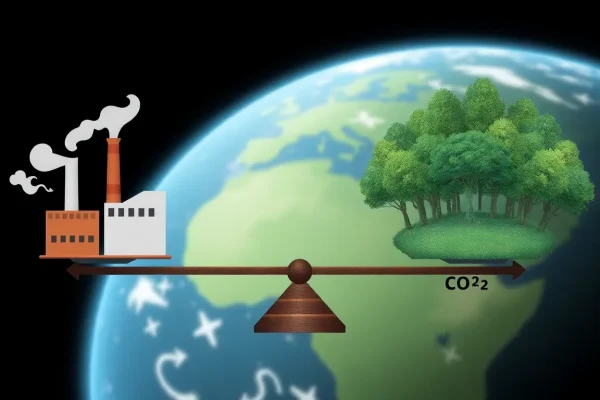
Carbon Sources vs Carbon Sinks: Understanding the Earth’s Carbon Balance
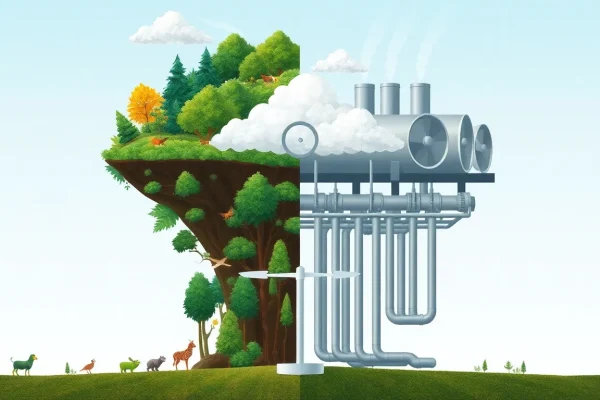
Carbon sources release more carbon into the atmosphere than they absorb, while carbon sinks absorb more carbon than they release. The balance between these…
Search results
Guides, research and analysis matching your search.
8 resultsCarbon sources release more carbon into the atmosphere than they absorb, while carbon sinks absorb more carbon than they release. The balance between these…
Nature-based carbon removal (e.g., afforestation, soil carbon) is currently more cost-effective and provides co-benefits but faces permanence risks. Technological methods (e.g., direct air capture)…
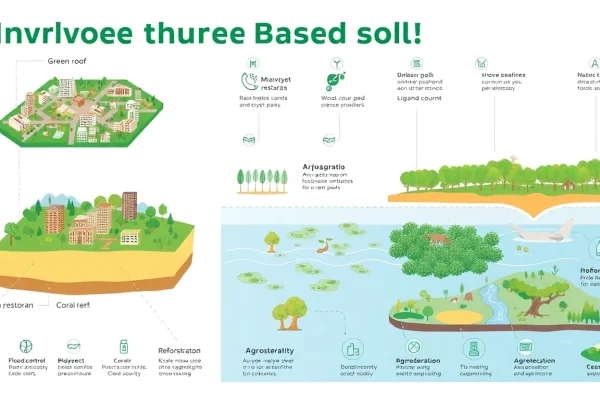
Learn what Nature-Based Solutions are, how they support climate adaptation, biodiversity, and human well-being, and explore their evidence, limitations, and trade-offs.
Learn how freshwater change affects rivers, groundwater, soil moisture, climate, ecosystems, and why the global water cycle is a planetary boundary.
Learn why biodiversity and biosphere integrity are essential for Earth system stability, ecosystem resilience, climate regulation, and human well-being.
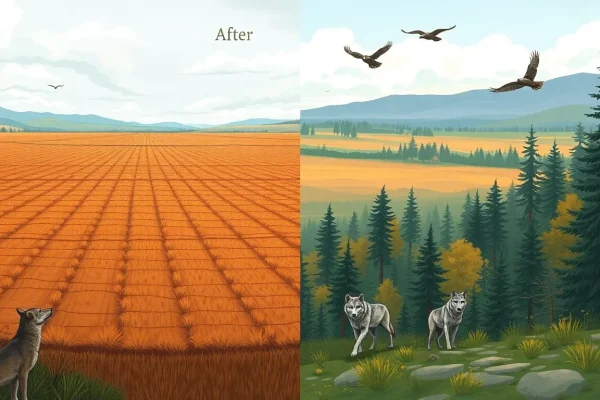
Rewilding is a conservation strategy that aims to restore ecosystems by reintroducing native species and allowing natural processes to shape the landscape. It seeks…
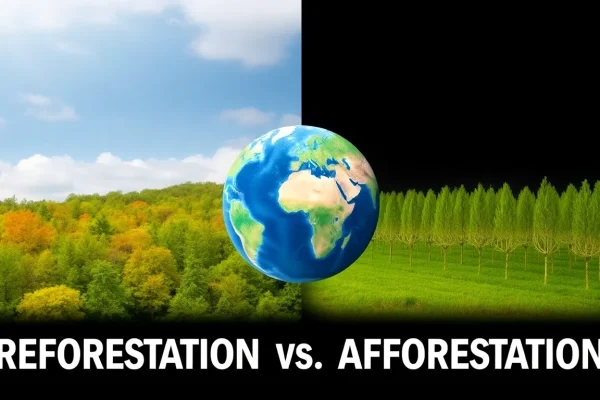
Reforestation and afforestation are widely promoted nature-based solutions for carbon removal and ecosystem restoration. Reforestation—replanting trees in recently deforested areas—generally offers faster ecological recovery…
Nature-based solutions (NbS) are actions that protect, manage, or restore ecosystems to address societal challenges such as climate change, water security, and biodiversity loss.…