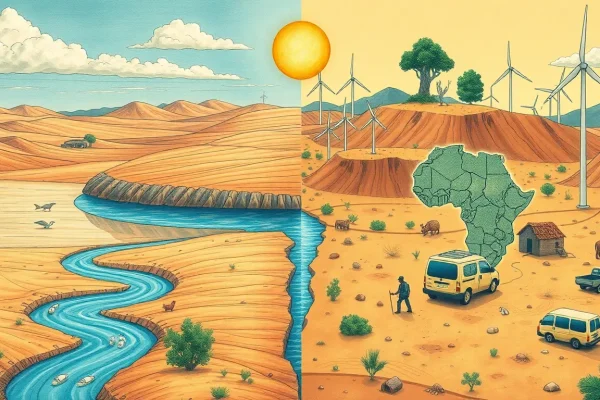
Energy Transition Minerals: Environmental and Social Risks
Energy transition minerals such as lithium, cobalt, and rare earths are essential for clean energy technologies, but their extraction and processing carry significant environmental…
Search results
Guides, research and analysis matching your search.
227 resultsEnergy transition minerals such as lithium, cobalt, and rare earths are essential for clean energy technologies, but their extraction and processing carry significant environmental…
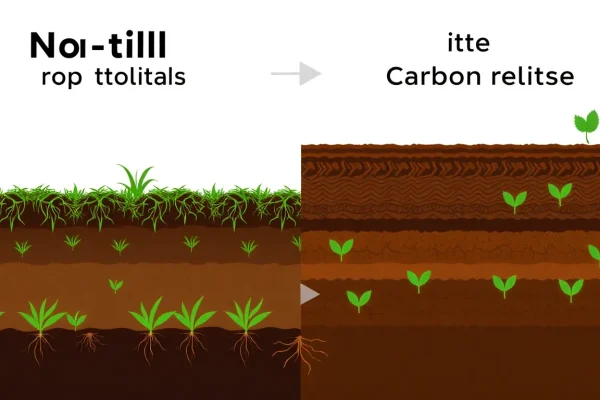
No-till farming reduces soil disturbance, which can increase soil organic carbon in surface layers compared to conventional tillage. However, the net effect on total…
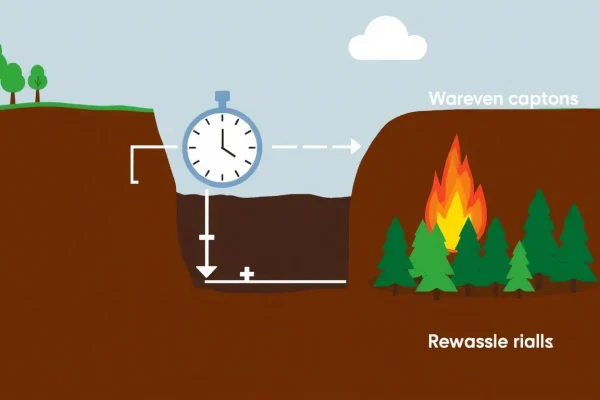
Carbon removal permanence refers to the duration that removed CO2 remains out of the atmosphere. It is a critical factor in evaluating carbon removal…
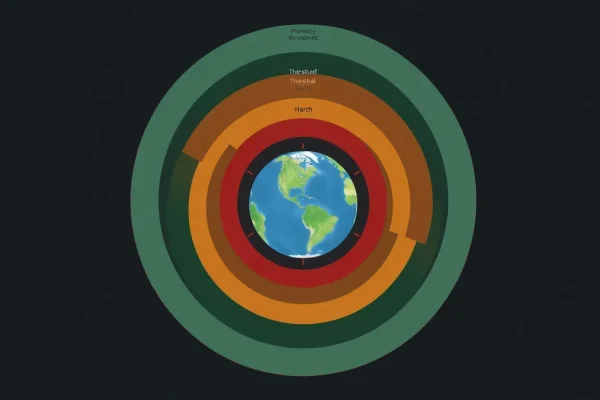
The planetary boundaries framework defines a safe operating space for humanity by identifying nine Earth-system processes and their thresholds. Unlike traditional environmental thresholds that…
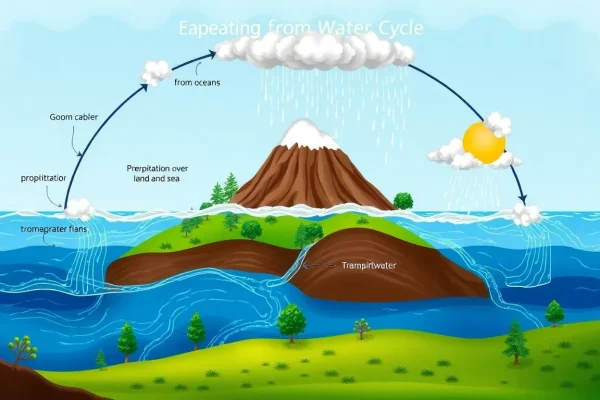
The global water cycle, also known as the hydrological cycle, describes the continuous movement of water on, above, and below Earth's surface. It involves…
Complete Streets is a design and policy approach that ensures streets are safe and accessible for all users, not just cars. Evidence shows it…
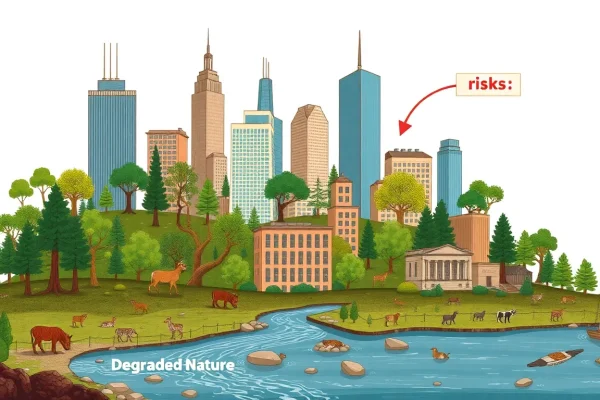
Nature-related business risks are the potential threats to companies, investors, and the financial system arising from their dependencies and impacts on the natural world.…
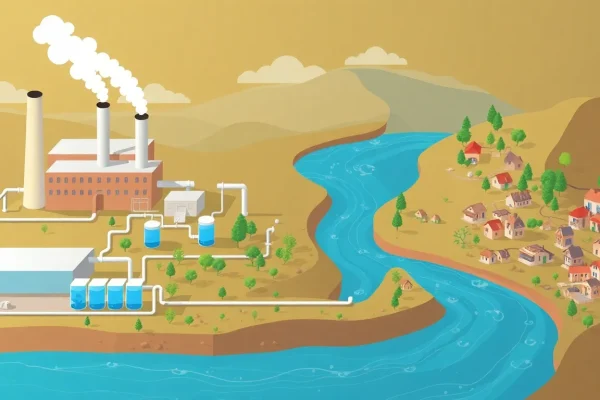
Corporate water stewardship is a business approach that goes beyond managing water use within a company’s own operations to address shared water risks and…
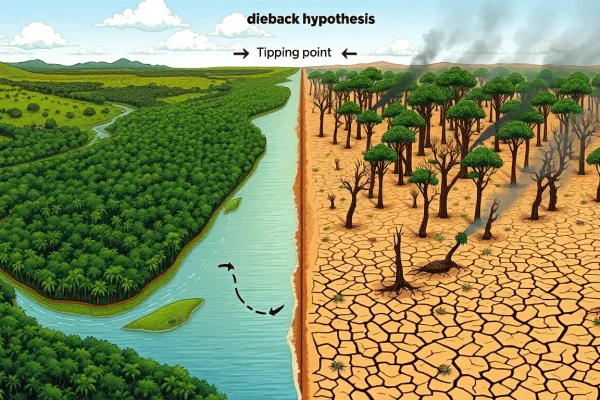
Amazon rainforest dieback refers to the hypothesis that a large-scale, self-reinforcing shift from rainforest to savanna or degraded forest could occur in the Amazon…
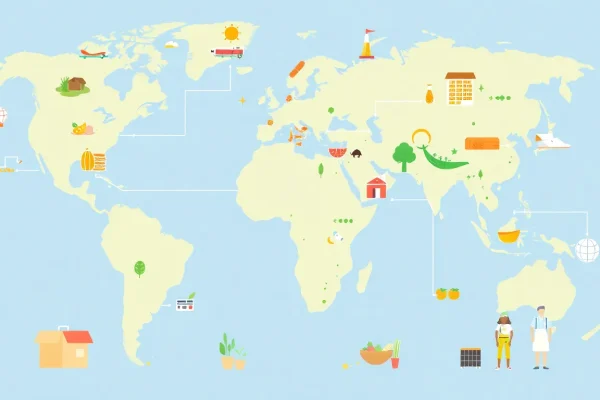
The global food system encompasses all activities and resources involved in producing, processing, distributing, consuming, and disposing of food worldwide. It is a complex…