What Is Embodied Carbon in Buildings?
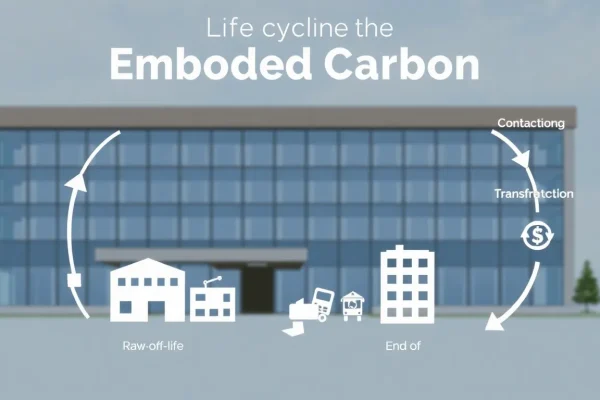
Embodied carbon refers to the greenhouse gas emissions from building material production, transportation, and construction. Reducing it is a critical and increasingly viable strategy…
Search results
Guides, research and analysis matching your search.
227 resultsEmbodied carbon refers to the greenhouse gas emissions from building material production, transportation, and construction. Reducing it is a critical and increasingly viable strategy…
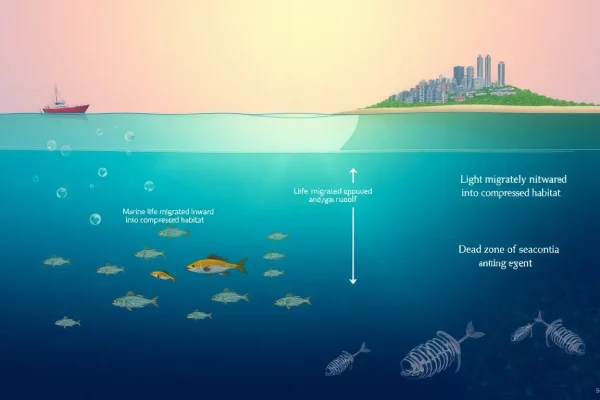
Ocean deoxygenation is the decline in dissolved oxygen levels in the world's oceans, driven primarily by rising water temperatures and nutrient pollution. Warmer water…
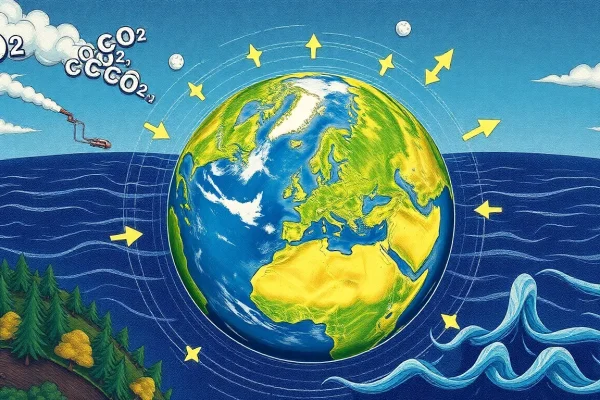
Carbon dioxide accumulates in the atmosphere because human activities—primarily burning fossil fuels and deforestation—release CO2 faster than natural sinks like oceans and forests can…
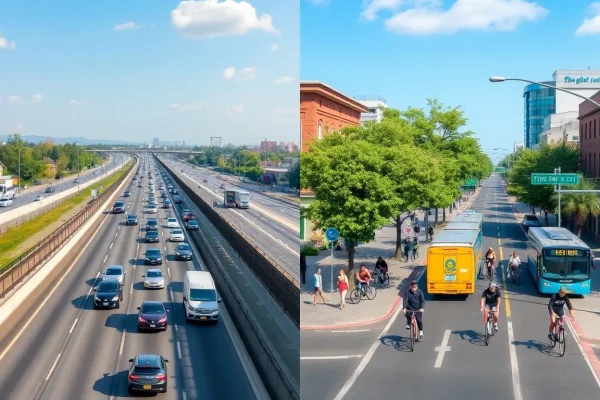
Induced demand is the well-documented phenomenon where expanding road capacity leads to increased traffic volumes, often negating expected congestion relief. This analysis examines the…
Shipping, the backbone of global trade, accounts for about 2-3% of global greenhouse gas emissions. A combination of energy efficiency, alternative fuels, and operational…
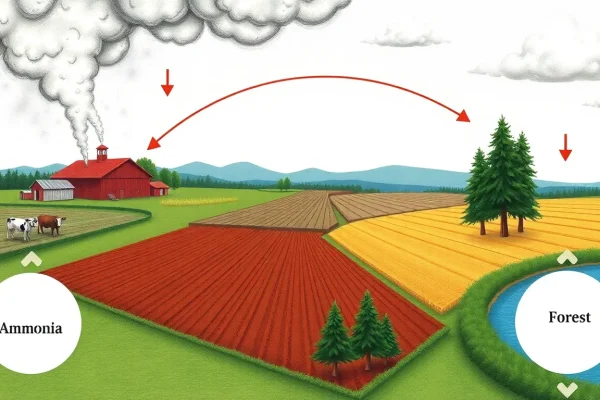
Ammonia pollution from agriculture is the release of gaseous ammonia (NH₃) into the air from livestock manure and nitrogen fertilizers. Once airborne, ammonia reacts…
A 2014 study in Nature found that rising atmospheric CO₂ levels reduce the protein, iron, and zinc content of staple crops like wheat, rice,…
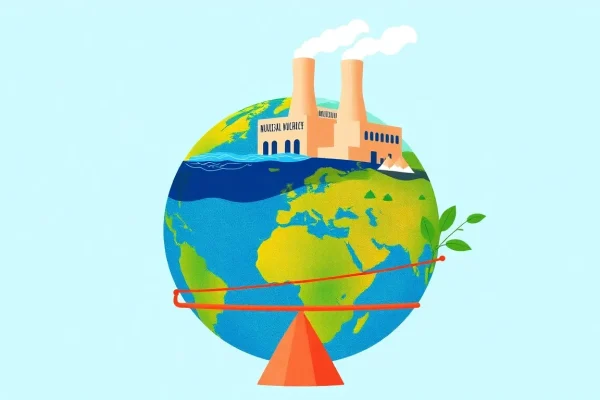
Nuclear power is a low-carbon energy source that can help humanity stay within the climate change planetary boundary, but it also exerts pressure on…
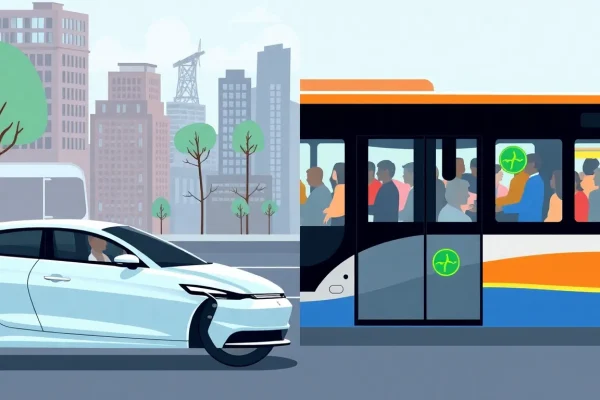
Electric cars and public transport are two key strategies for reducing transport emissions. Public transport generally offers greater efficiency and co-benefits in dense urban…
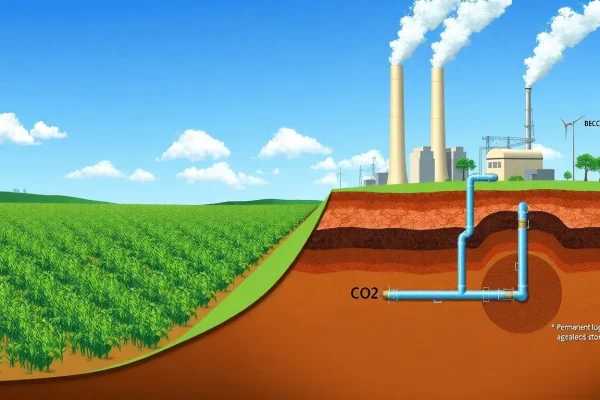
Bioenergy with carbon capture and storage (BECCS) is a carbon dioxide removal technology that combines energy generation from biomass with the capture and permanent…