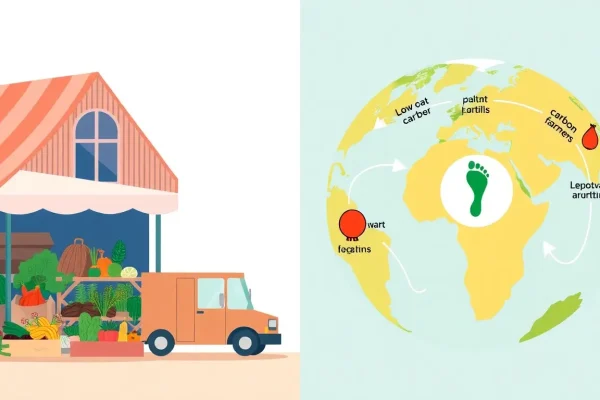
Local Food vs Low-Carbon Food: Understanding the Difference
Local food is defined by geographic proximity, while low-carbon food is defined by its total greenhouse gas emissions across the entire supply chain. Although…
Search results
Guides, research and analysis matching your search.
237 resultsLocal food is defined by geographic proximity, while low-carbon food is defined by its total greenhouse gas emissions across the entire supply chain. Although…
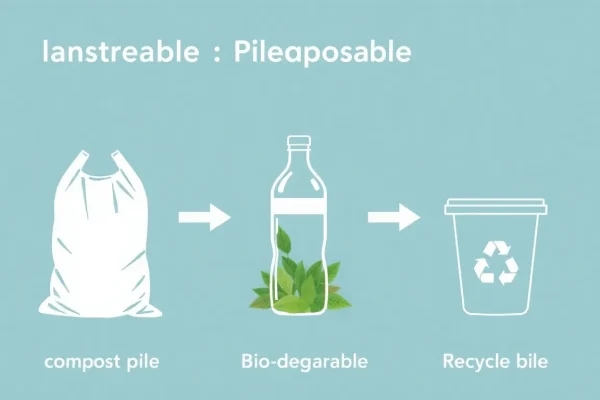
Compostable plastics break down into non-toxic components in composting conditions, while biodegradable plastics can degrade naturally but without a defined timeframe or end-product. Bio-based…
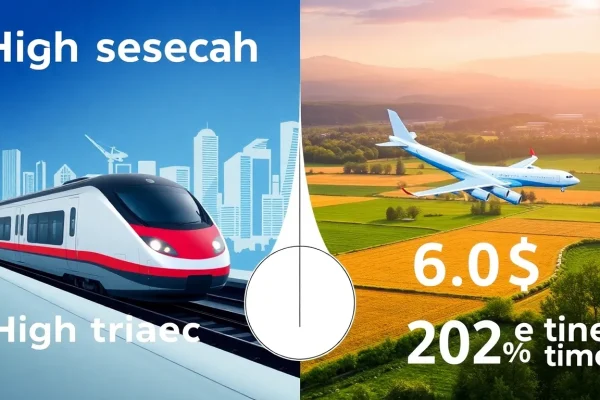
High-speed rail offers a lower-carbon alternative to short-haul air travel on dense corridors, with proven success in Europe and Asia. However, its high upfront…
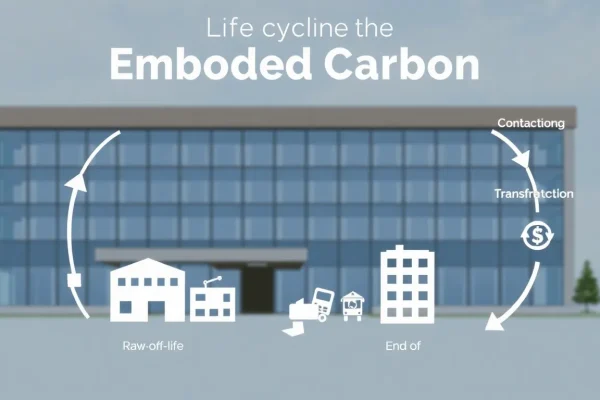
Embodied carbon refers to the greenhouse gas emissions from building material production, transportation, and construction. Reducing it is a critical and increasingly viable strategy…
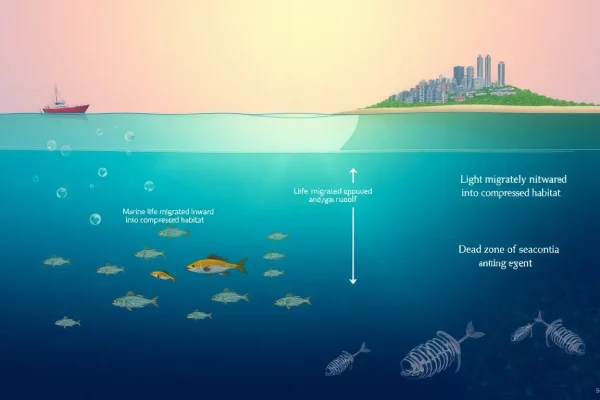
Ocean deoxygenation is the decline in dissolved oxygen levels in the world's oceans, driven primarily by rising water temperatures and nutrient pollution. Warmer water…
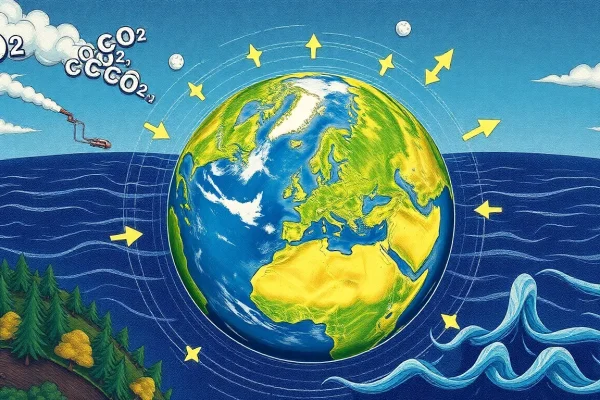
Carbon dioxide accumulates in the atmosphere because human activities—primarily burning fossil fuels and deforestation—release CO2 faster than natural sinks like oceans and forests can…
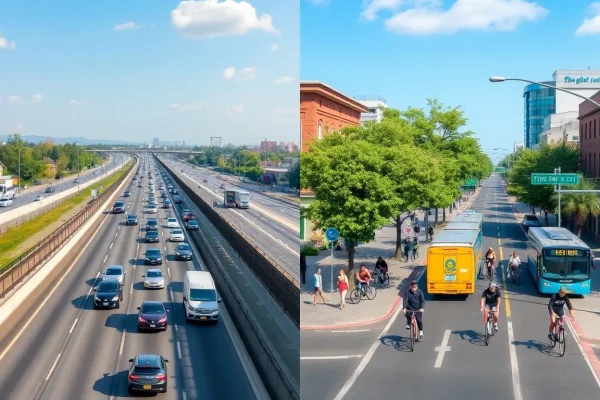
Induced demand is the well-documented phenomenon where expanding road capacity leads to increased traffic volumes, often negating expected congestion relief. This analysis examines the…
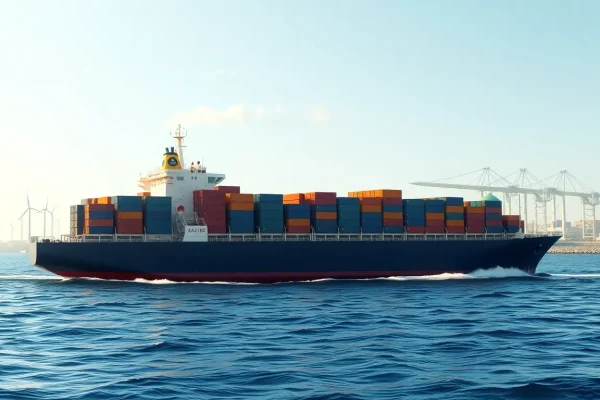
Shipping, the backbone of global trade, accounts for about 2-3% of global greenhouse gas emissions. A combination of energy efficiency, alternative fuels, and operational…
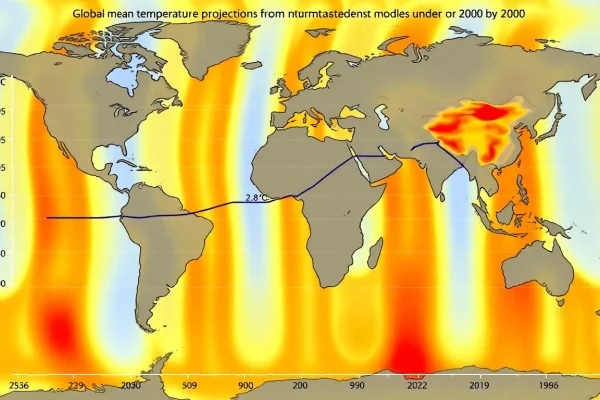
According to the UNEP Emissions Gap Report 2023, integrated assessment models (IAMs) project a median global warming of 2.8°C by 2100 under current policies,…
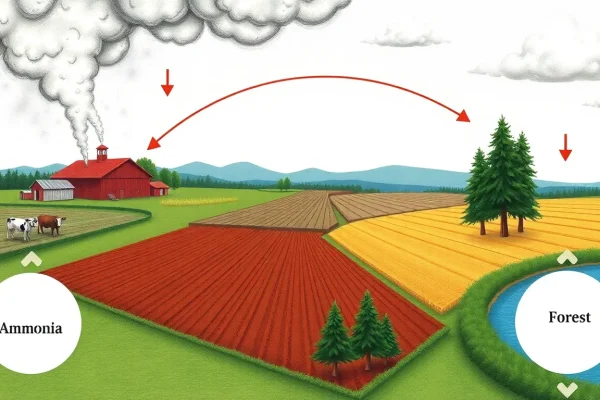
Ammonia pollution from agriculture is the release of gaseous ammonia (NH₃) into the air from livestock manure and nitrogen fertilizers. Once airborne, ammonia reacts…