What Does Net Zero Actually Mean?
Net zero refers to achieving a balance between the amount of greenhouse gases emitted into the atmosphere and the amount removed. It is a…
Search results
Guides, research and analysis matching your search.
84 resultsNet zero refers to achieving a balance between the amount of greenhouse gases emitted into the atmosphere and the amount removed. It is a…
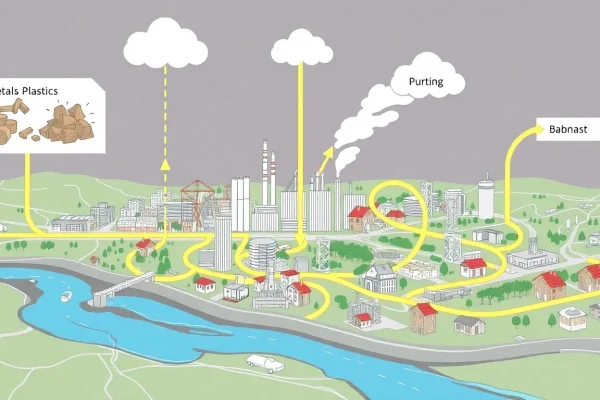
Material Flow Analysis (MFA) is a systematic assessment method that quantifies the flows and stocks of materials within a defined system, such as a…
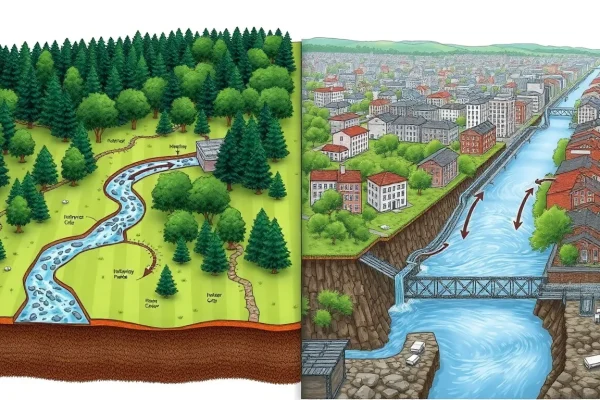
Urbanization dramatically alters the natural water cycle by replacing permeable land with impervious surfaces, reducing infiltration and evapotranspiration while increasing surface runoff. These changes…
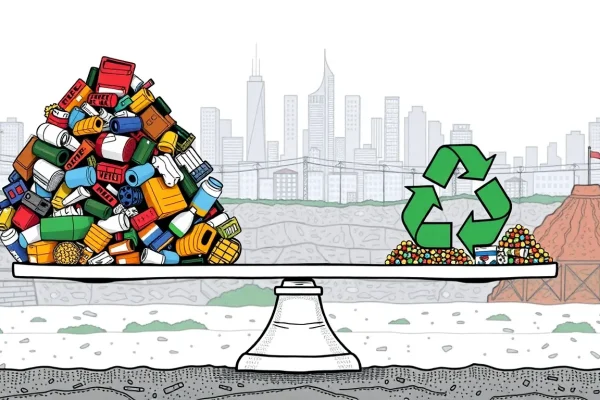
Recycling alone cannot fully meet the growing global demand for materials due to fundamental physical and economic limitations. While it reduces the need for…
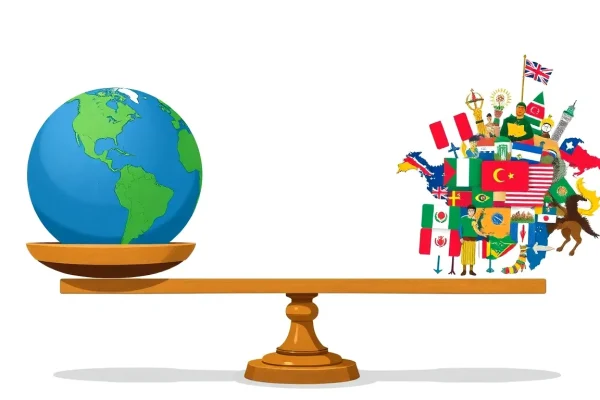
Common but Differentiated Responsibilities (CBDR) is a principle of international environmental law that recognizes all nations share a duty to protect the environment, but…
Reducing vehicle size is a proven, low-cost strategy to cut greenhouse gas emissions, air pollution, and resource consumption. Larger vehicles consume more energy and…
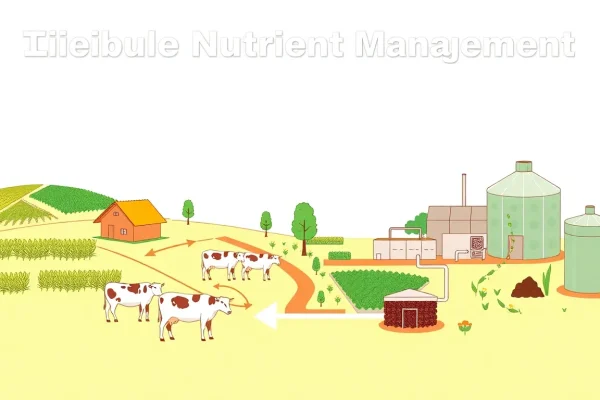
Circular nutrient management is a sustainable approach that recycles nutrients from organic waste back into agricultural production, reducing pollution and resource depletion. It closes…
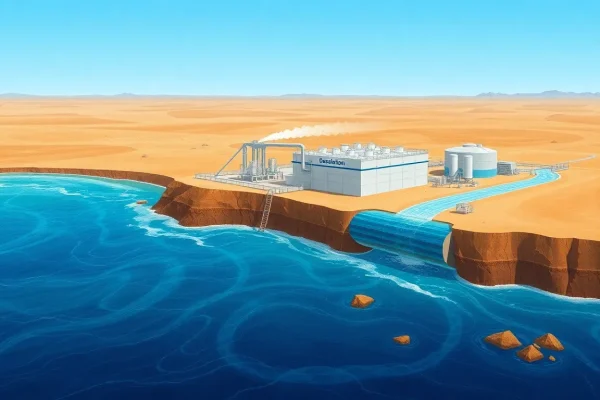
Desalination can augment freshwater supplies in coastal regions, but it is not a universal solution to water scarcity due to high costs, energy demands,…
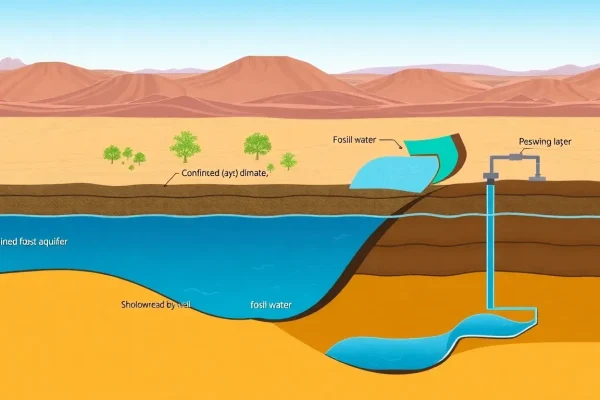
A fossil aquifer is an underground layer of water-bearing rock that contains water recharged thousands to millions of years ago under past climatic conditions,…
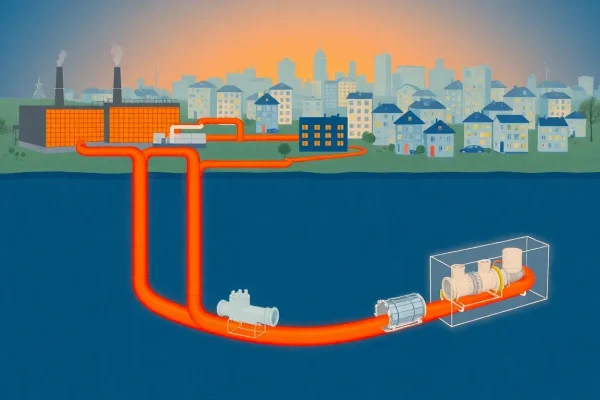
District heating and cooling (DHC) systems distribute thermal energy from centralized sources to multiple buildings, offering a potentially efficient and low-carbon solution for space…