Greenhushing: Why Companies Hide Environmental Claims
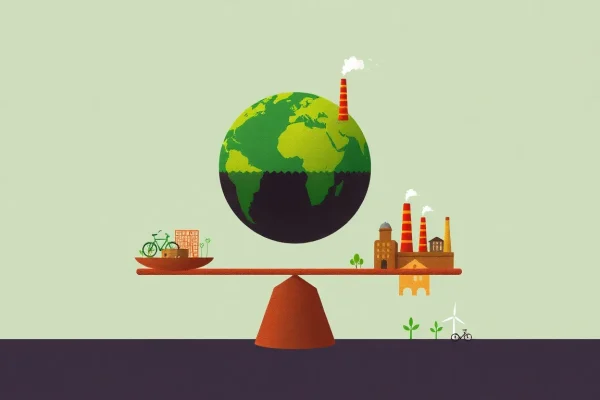
Greenhushing is the practice where companies deliberately downplay or conceal their environmental achievements and sustainability efforts. This behavior often arises from fear of being…
Search results
Guides, research and analysis matching your search.
129 resultsGreenhushing is the practice where companies deliberately downplay or conceal their environmental achievements and sustainability efforts. This behavior often arises from fear of being…
Degrowth is a planned reduction of energy and material throughput to achieve ecological sustainability and social well-being, challenging the conventional pursuit of economic growth.…
The essential-use concept is a policy framework that restricts the use of harmful chemicals to only those applications deemed necessary for health, safety, or…
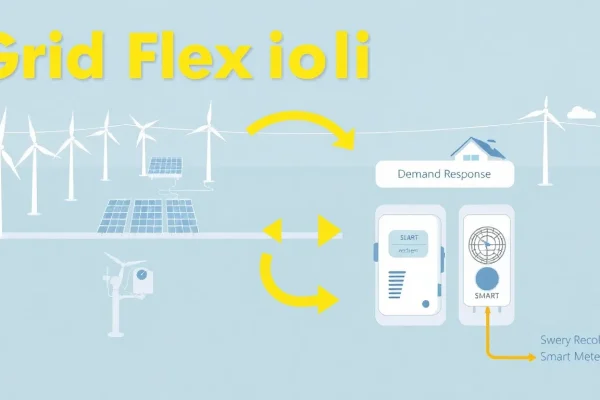
Grid flexibility is the ability of an electricity system to maintain reliable service by adjusting supply and demand in response to changes, such as…
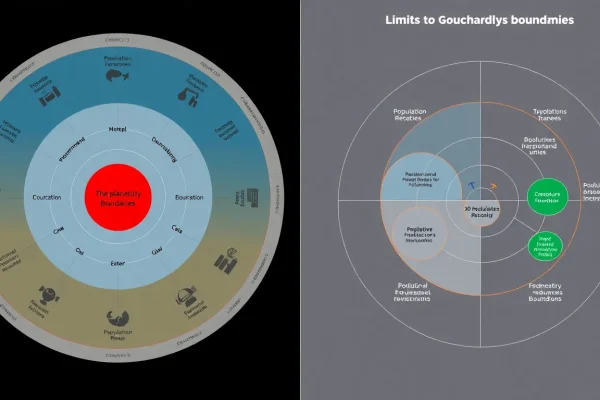
The planetary boundaries framework defines a safe operating space for humanity based on nine Earth-system processes, while the Limits to Growth study used system…
Green hydrogen is produced by splitting water using renewable electricity, emitting no carbon dioxide. Blue hydrogen is made from natural gas with carbon capture…
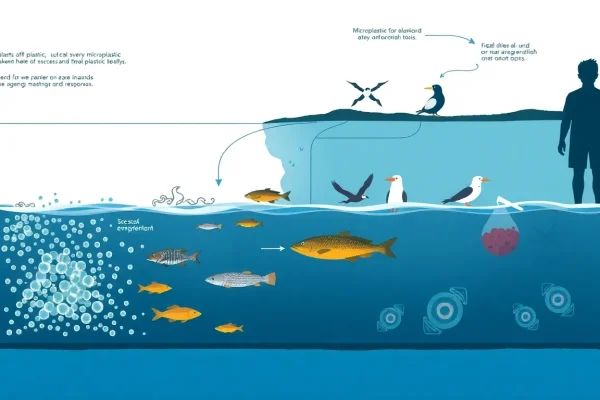
Microplastics—tiny plastic particles less than 5 mm in size—enter food webs when they are ingested by organisms at the base of the food chain,…
Durability and recyclability are both essential strategies for reducing environmental impact, but they serve different purposes. Durability extends product lifespan, conserving resources by delaying…
Marine cloud brightening is a proposed geoengineering technique to cool the Earth by spraying sea salt aerosols into low marine clouds, increasing their reflectivity.…
A sustainable city integrates compact urban form, efficient transport, renewable energy, green infrastructure, and inclusive governance to reduce environmental impact and improve quality of…