Why Planetary Boundaries Are Interconnected
The planetary boundaries framework identifies nine Earth-system processes that regulate the stability and resilience of the planet. These boundaries are not independent; they interact…
Search results
Guides, research and analysis matching your search.
227 resultsThe planetary boundaries framework identifies nine Earth-system processes that regulate the stability and resilience of the planet. These boundaries are not independent; they interact…
Emissions reduction and carbon removal are both critical to addressing climate change, but they serve distinct roles. Emissions reduction is the immediate, cost-effective priority,…
As of the 2023 update by Richardson et al., six of the nine planetary boundaries have been transgressed: climate change, biosphere integrity (both genetic…
Biodegradable plastics are designed to break down through biological processes, but they do not offer a simple solution to plastic pollution. Their degradation depends…
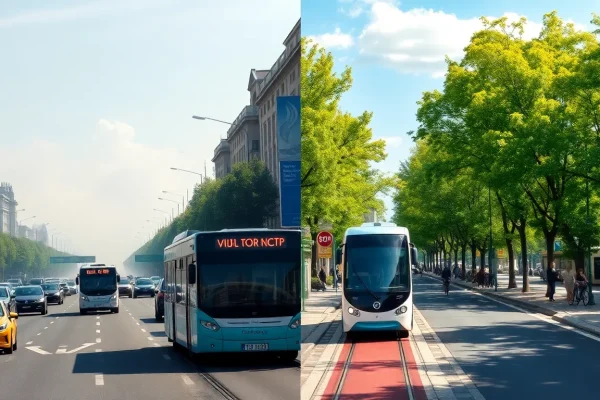
Public transport can reduce urban emissions by shifting trips from private cars to higher-occupancy modes, but its effectiveness depends on system design, ridership, and…
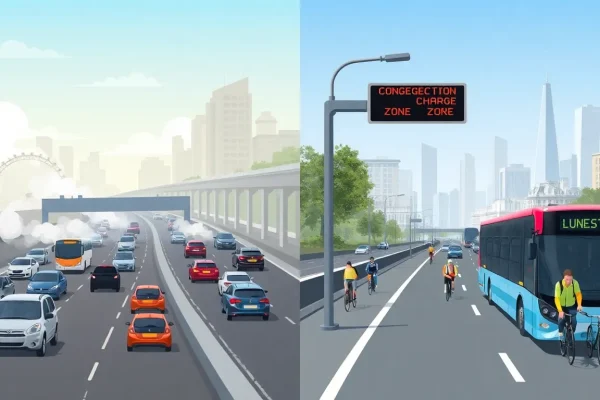
Congestion pricing is a demand-side strategy that charges drivers a fee to use congested roads or enter designated zones during peak periods. It aims…
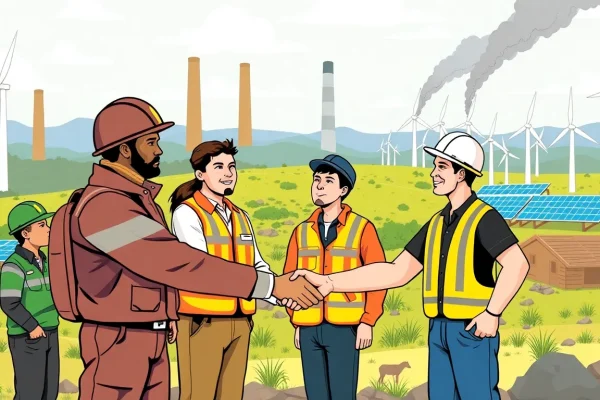
A just transition is a framework for shifting to a sustainable, low-carbon economy in a way that is fair and inclusive, protecting workers, communities,…
Planetary boundaries are measured using control variables—specific, quantifiable indicators of Earth-system processes—compared against proposed safe limits derived from the Holocene baseline. As of 2023,…
Rewilding is a conservation strategy that aims to restore ecosystems by reintroducing native species and allowing natural processes to shape the landscape. It seeks…
Biosphere integrity is the capacity of Earth’s living systems to maintain genetic diversity, functional diversity, and ecosystem resilience, keeping the planet in a stable,…