What Is a Circular Business Model? A Comprehensive Analysis
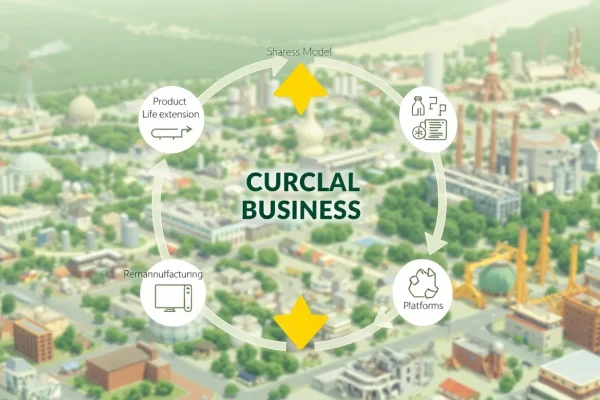
A circular business model is an economic framework that aims to decouple growth from resource consumption by designing out waste, keeping products and materials…
Search results
Guides, research and analysis matching your search.
283 resultsA circular business model is an economic framework that aims to decouple growth from resource consumption by designing out waste, keeping products and materials…
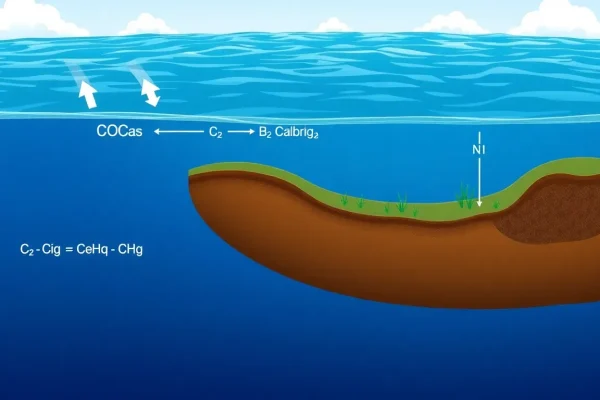
The oceans absorb carbon dioxide from the atmosphere because of a natural chemical equilibrium: CO2 dissolves in seawater and reacts with water to form…
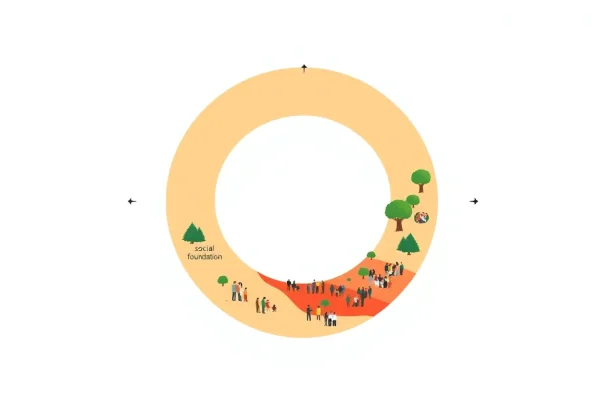
Doughnut Economics is a visual framework for sustainable development that combines the concept of planetary boundaries with the concept of social boundaries. It defines…
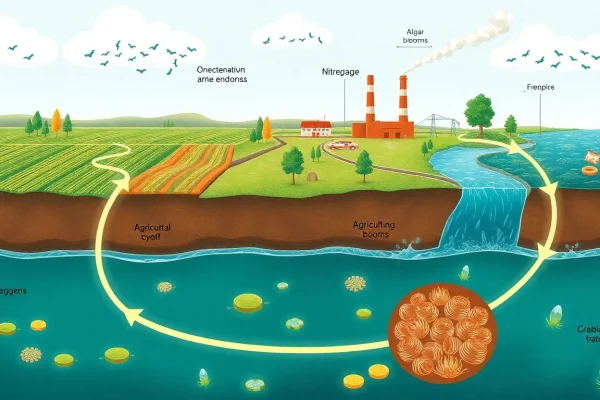
Nitrogen pollution is the excessive release of reactive nitrogen compounds into the environment, primarily from agriculture, industry, and transportation. It disrupts ecosystems, harms human…
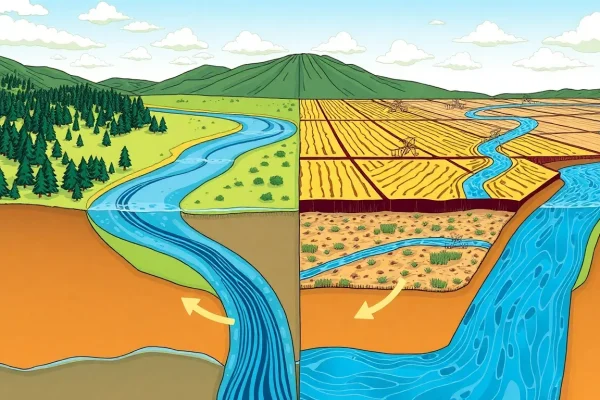
Agriculture profoundly alters the global water cycle by withdrawing massive amounts of freshwater for irrigation, modifying land surfaces, and releasing pollutants. These changes affect…
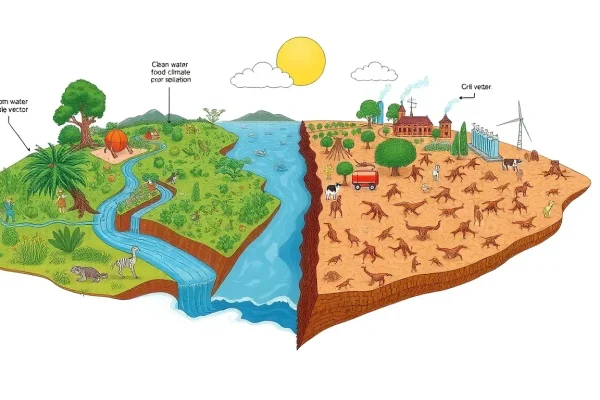
Biodiversity loss undermines the ecosystem services that sustain human life, including food production, clean water, disease regulation, and climate stability. As species and habitats…
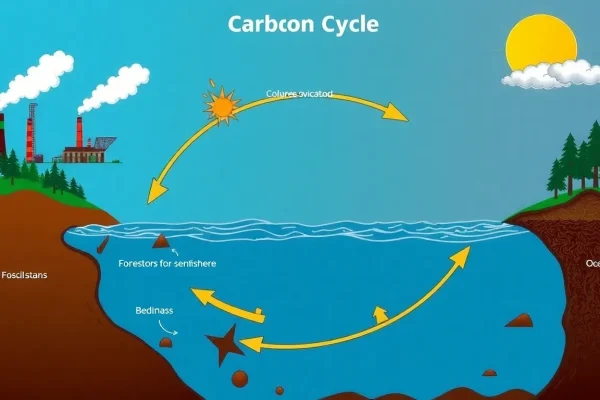
The carbon cycle is the continuous movement of carbon among the atmosphere, oceans, land, and living organisms. Carbon sources release carbon into the atmosphere,…
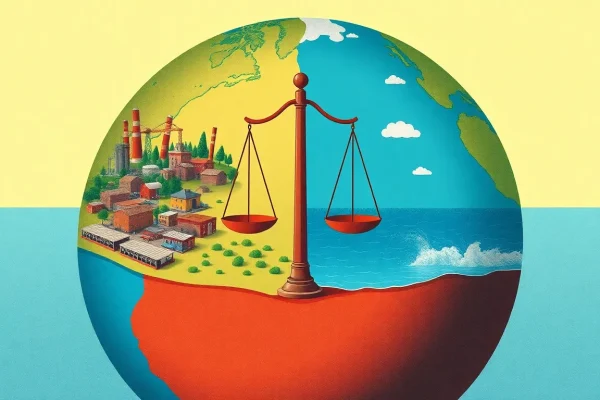
Climate justice and environmental justice are related but distinct frameworks addressing the unequal distribution of environmental benefits and burdens. Environmental justice focuses on fair…
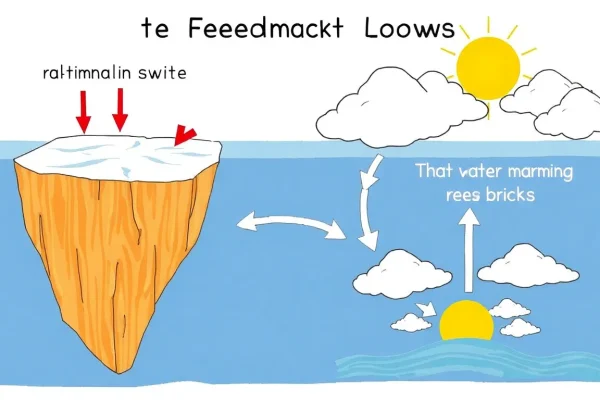
A climate feedback loop is a process in the climate system that can either amplify (positive feedback) or dampen (negative feedback) an initial change.…
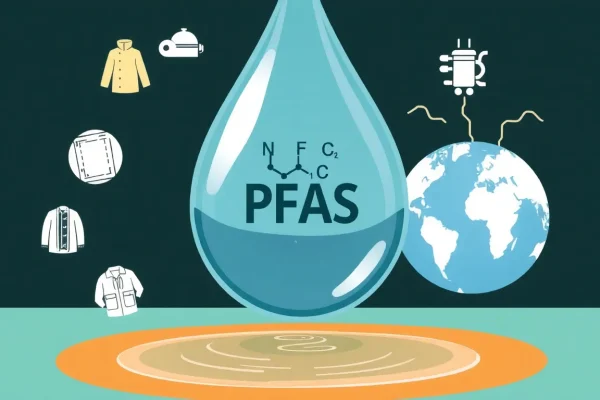
PFAS (per- and polyfluoroalkyl substances) are a large group of synthetic chemicals used since the 1940s for their water-, grease-, and stain-resistant properties. Their…