Ammonia Pollution From Agriculture: Sources, Impacts, and Solutions
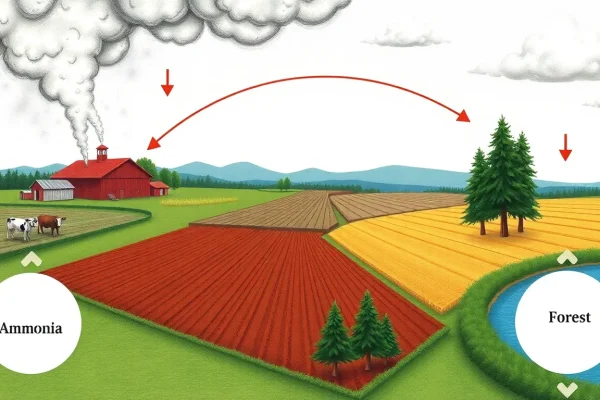
Ammonia pollution from agriculture is the release of gaseous ammonia (NH₃) into the air from livestock manure and nitrogen fertilizers. Once airborne, ammonia reacts…
Search results
Guides, research and analysis matching your search.
92 resultsAmmonia pollution from agriculture is the release of gaseous ammonia (NH₃) into the air from livestock manure and nitrogen fertilizers. Once airborne, ammonia reacts…
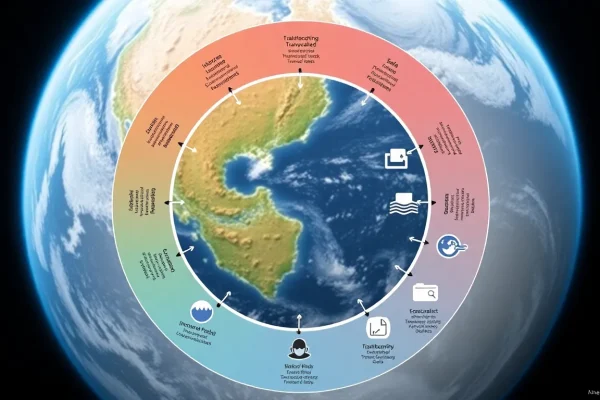
The planetary boundaries framework defines a safe operating space for humanity based on Earth-system processes, while the Sustainable Development Goals (SDGs) set global targets…
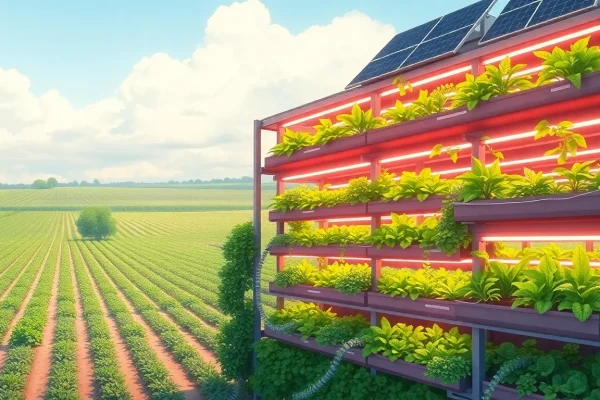
Vertical farming is the practice of growing crops in vertically stacked layers within controlled indoor environments, using technologies like hydroponics and LED lighting. It…
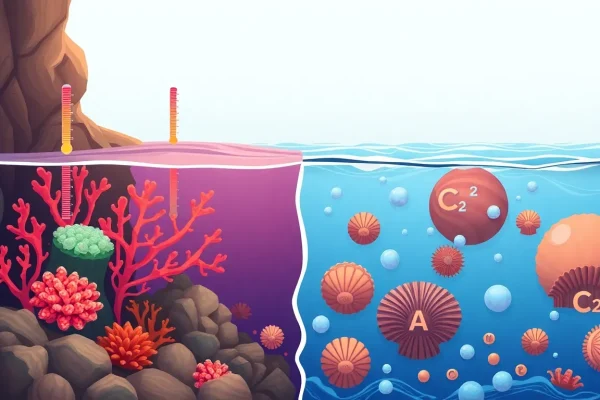
Ocean acidification and ocean warming are two distinct but interconnected consequences of rising atmospheric carbon dioxide. Acidification refers to the chemical change in seawater…
Learn what Nature-Based Solutions are, how they support climate adaptation, biodiversity, and human well-being, and explore their evidence, limitations, and trade-offs.
Learn how food systems affect climate, biodiversity, freshwater, land, nutrients, and the planetary boundaries—and how sustainable food systems can nourish people and the planet.
Learn what ocean acidification is, how rising CO₂ changes seawater chemistry, its impacts on marine life, and why it has become a planetary boundary.
Learn what novel entities are, why chemicals, plastics, PFAS, pesticides, and other synthetic substances are a planetary boundary, and how they threaten Earth's life-support…
Learn how human disruption of the nitrogen and phosphorus cycles affects climate, freshwater, biodiversity, food production, and Earth's planetary boundaries.
Learn how agriculture, deforestation, and land-use change affect climate, biodiversity, freshwater, and Earth's resilience through the land-system change planetary boundary.