Energy Transition Explained: Technologies, Policies and Trade-Offs
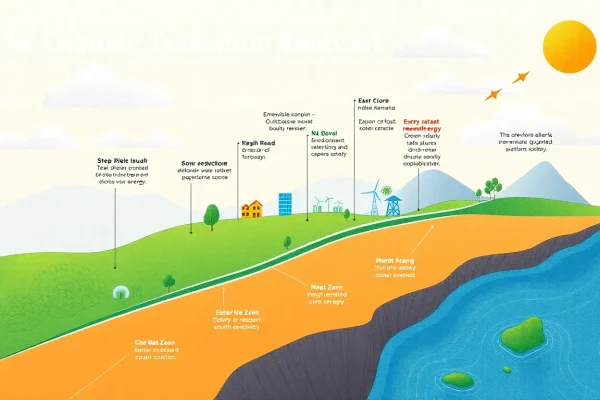
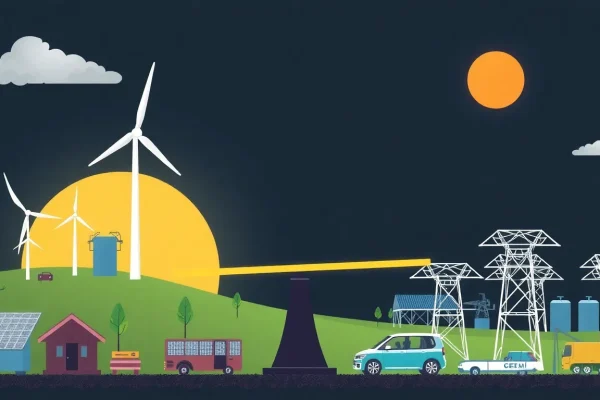
The energy transition is the global shift from fossil fuel-based energy systems to low-carbon and renewable sources, driven by climate goals and technological progress.…
Search results
Guides, research and analysis matching your search.
95 resultsThe energy transition is the global shift from fossil fuel-based energy systems to low-carbon and renewable sources, driven by climate goals and technological progress.…
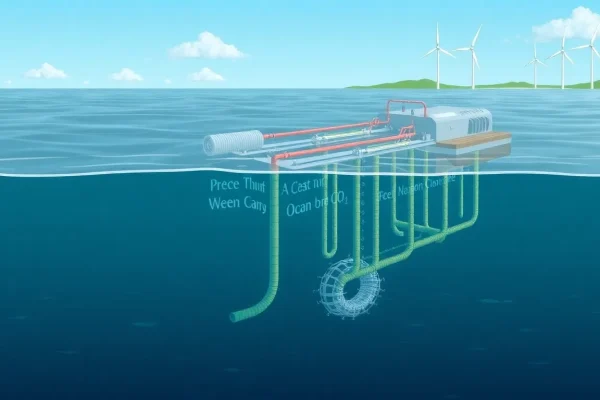
Direct ocean carbon capture (DOCC) is an emerging climate technology that removes CO₂ directly from seawater to enhance the ocean's natural carbon sink. While…
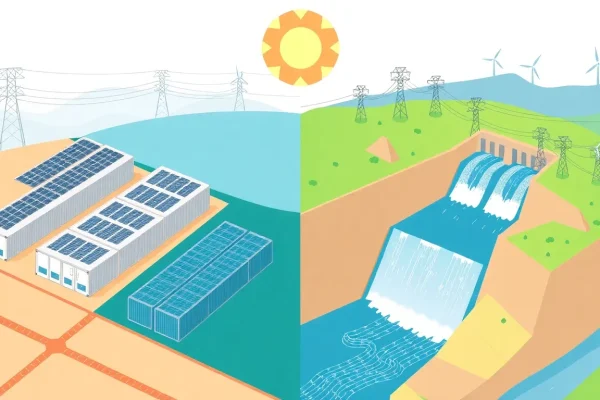
Battery storage and pumped hydropower are two primary methods for storing electrical energy. Battery systems use electrochemical cells to provide fast, modular storage, while…
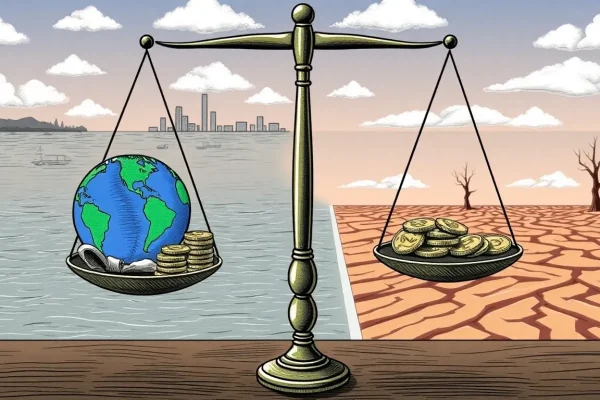
Climate reparations refer to the idea that wealthy, high-emitting nations should compensate poorer, low-emitting nations for the loss and damage caused by climate change,…
The energy transition is financed by a blend of public and private sources: governments provide subsidies, tax incentives, and direct investment; corporations and investors…
A climate transition plan is a strategic roadmap that outlines how an organization will align its operations, business model, and value chain with a…
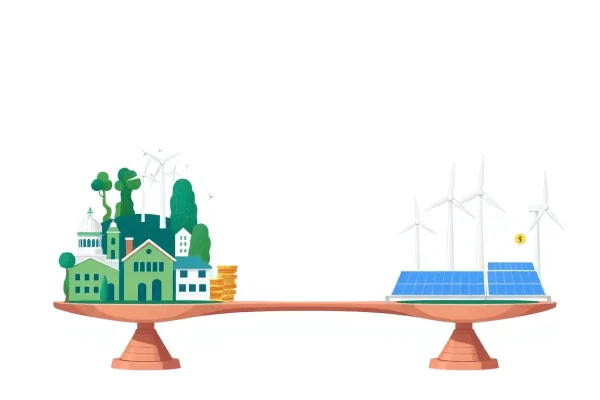
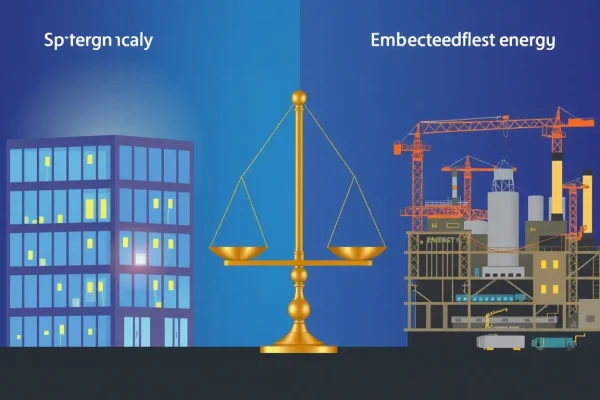
Buildings consume energy both during operation (heating, cooling, lighting) and through the materials and construction processes (embodied energy). While operational energy has long been…
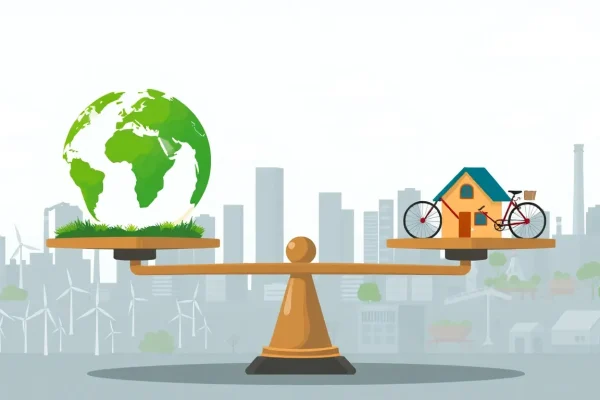
Sufficiency in sustainability policy is a strategy that aims to reduce absolute resource consumption and demand to within ecological limits. It emphasizes 'enough' rather…
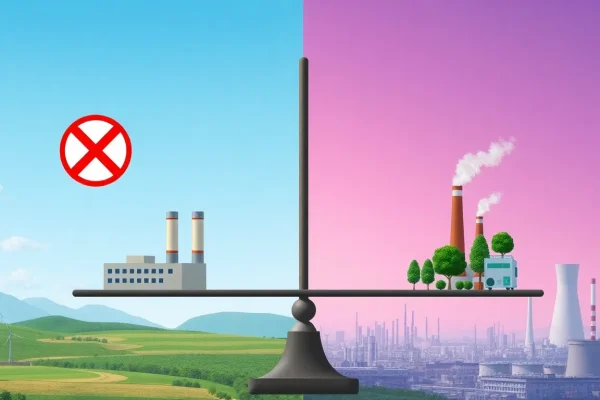
Gross zero emissions means eliminating all greenhouse gas emissions at their source, while net zero allows for some residual emissions to be balanced by…
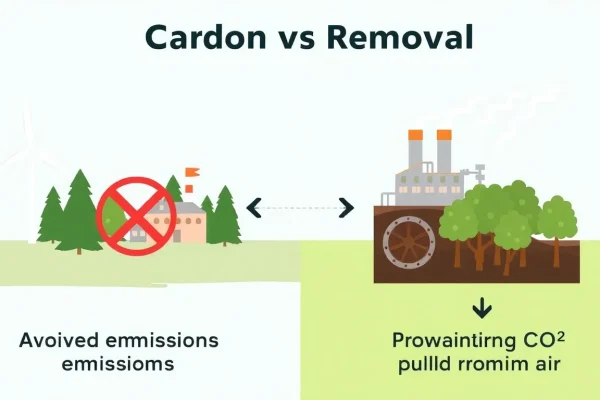
Avoidance credits finance projects that prevent emissions, while removal credits support projects that extract CO2 from the atmosphere. Both are used in carbon markets…