Planetary Health Diet Explained: The EAT-Lancet Commission Report
The EAT-Lancet Commission proposed a global reference diet that could feed 10 billion people by 2050 while preventing about 11 million premature deaths annually…
Search results
Guides, research and analysis matching your search.
99 resultsThe EAT-Lancet Commission proposed a global reference diet that could feed 10 billion people by 2050 while preventing about 11 million premature deaths annually…
High-speed rail offers a lower-carbon alternative to short-haul air travel on dense corridors, with proven success in Europe and Asia. However, its high upfront…
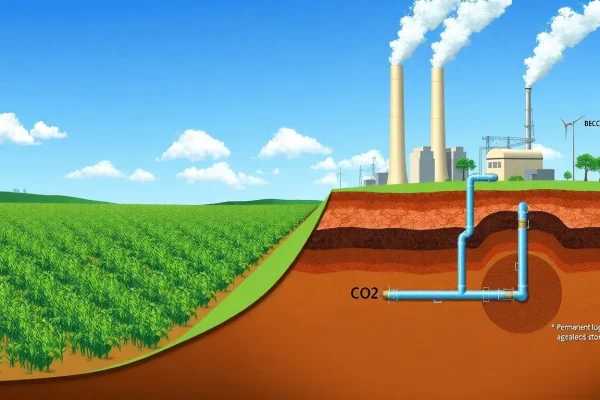
Bioenergy with carbon capture and storage (BECCS) is a carbon dioxide removal technology that combines energy generation from biomass with the capture and permanent…
Soil carbon credits aim to offset emissions by storing carbon in agricultural soils, but face major hurdles in accurate measurement, ensuring permanence, and proving…
Moral hazard in climate policy arises when protections against climate risks inadvertently encourage riskier behavior, such as reduced mitigation efforts or overreliance on unproven…
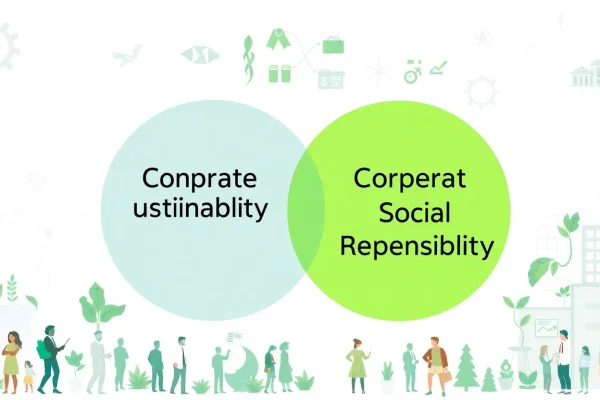
Corporate Social Responsibility (CSR) refers to a company’s voluntary actions to contribute to societal goals, often through philanthropy and ethical practices, while Corporate Sustainability…
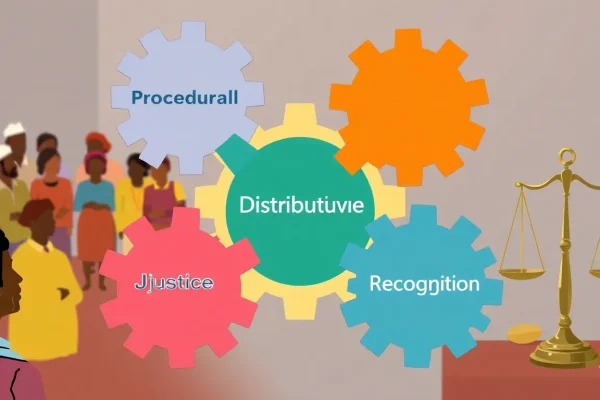
Procedural, distributive, and recognition justice are three interconnected dimensions of fairness that address how decisions are made, how resources are allocated, and how people's…
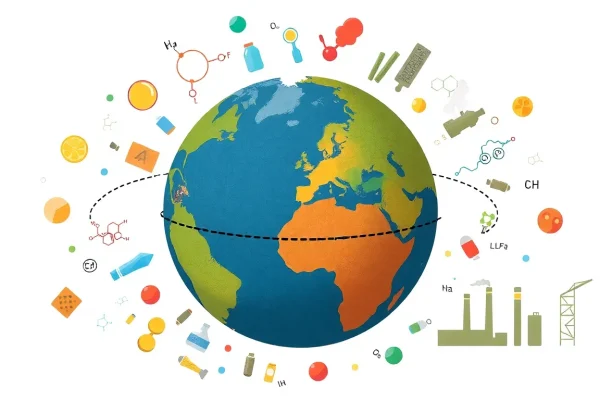
Chemical pollution cannot be captured by a single global boundary because it encompasses hundreds of thousands of diverse substances with different toxicities, environmental fates,…
The 15-minute city concept aims to ensure all essential services are within a short walk or bike ride from home. While it promises reduced…
A sustainable city integrates environmental, social, and economic strategies to reduce its ecological footprint while improving quality of life. The concept is promising and…