What Is Crop Rotation and Why Does It Matter?
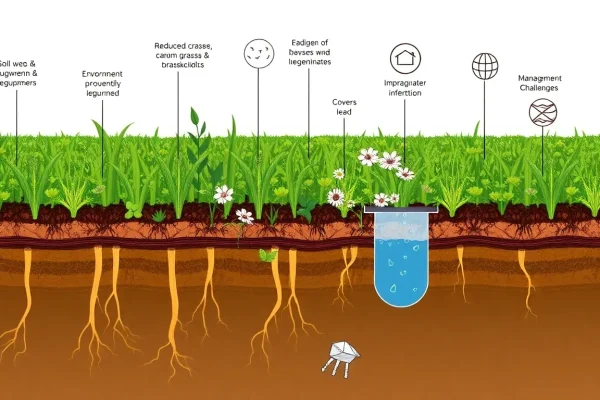
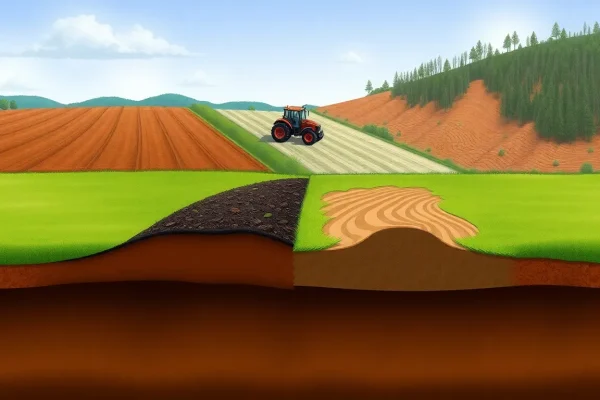
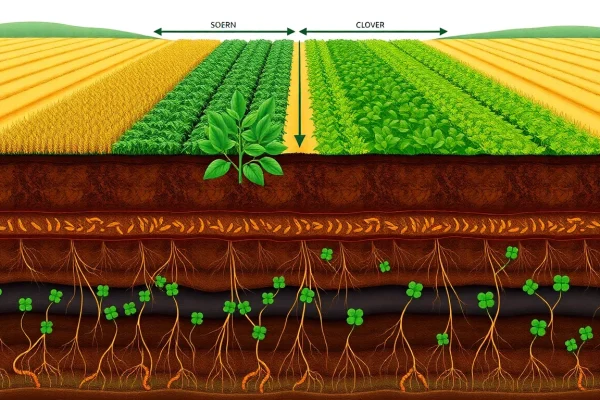
Crop rotation is the planned sequence of different crops on the same land over time, a foundational agricultural practice that improves soil health, reduces…
Search results
Guides, research and analysis matching your search.
96 resultsCrop rotation is the planned sequence of different crops on the same land over time, a foundational agricultural practice that improves soil health, reduces…
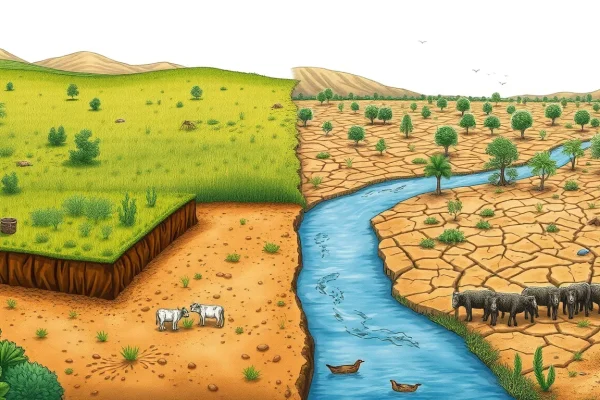
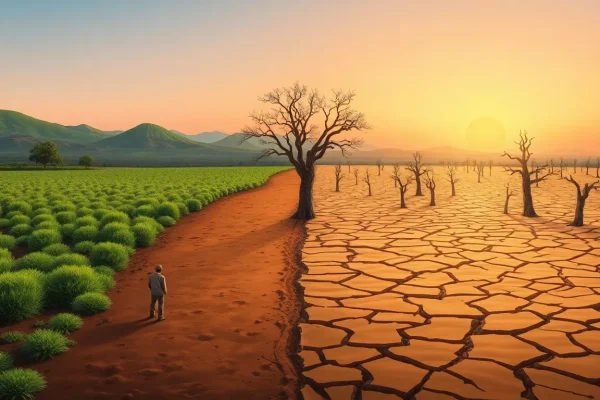
Land degradation is the decline in the quality and productivity of land, while desertification is a specific type of land degradation that occurs in…
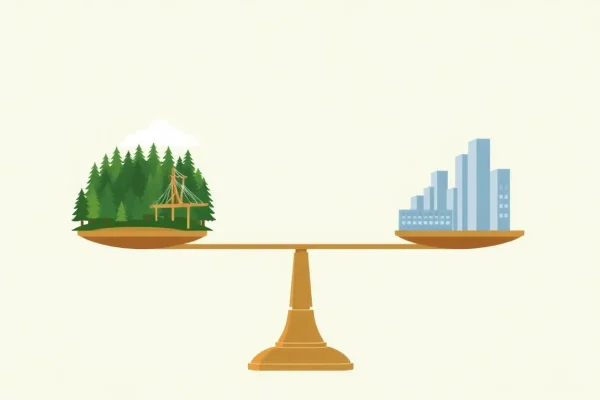
No Net Loss (NNL) is a policy principle aiming to balance biodiversity losses from development with equivalent gains, while Nature Positive is a global…
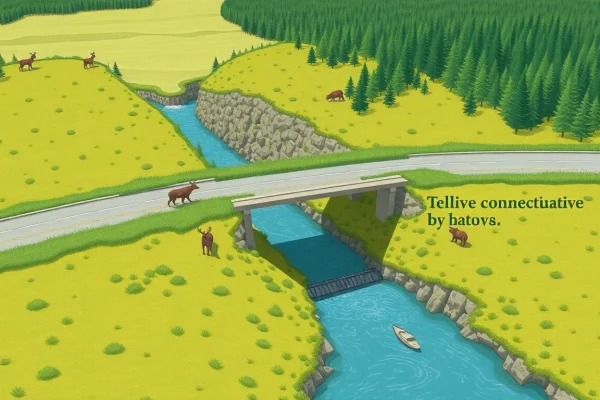
Ecosystem connectivity is the degree to which landscapes and seascapes allow organisms to move and ecological processes to flow freely. It is essential for…
Light pollution is the excessive or misdirected artificial light that disrupts natural darkness, affecting wildlife behavior, plant cycles, and entire ecosystems. It matters because…
Cover crops are plants grown primarily to protect and improve soil between cash crop cycles. They offer environmental benefits such as erosion control, nutrient…
Topsoil loss is the removal of the uppermost fertile layer of soil, primarily through erosion by water and wind, accelerated by human activities such…
Desertification is the persistent degradation of dryland ecosystems by human activities and climatic variations, leading to the loss of biological productivity and the expansion…
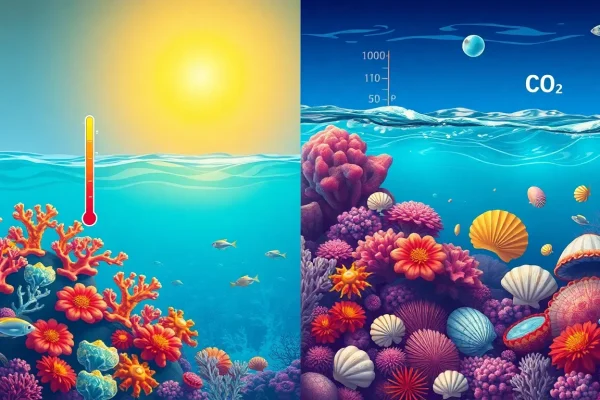
Ocean acidification and ocean warming are two distinct but interconnected consequences of rising atmospheric carbon dioxide. Acidification refers to the ongoing decrease in seawater…
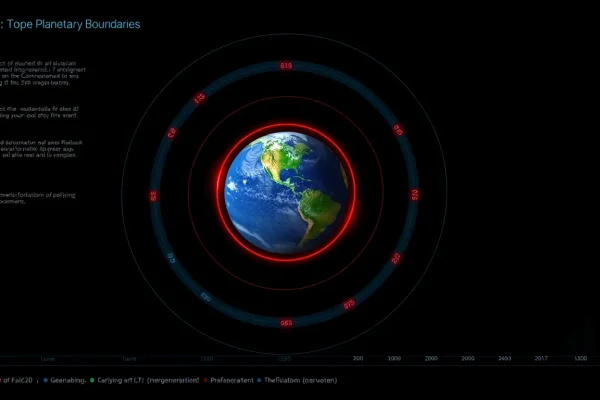
The planetary boundaries framework defines a safe operating space for humanity, which is intrinsically linked to intergenerational justice—the obligation to leave future generations a…