Urban Mining: Recovering Materials From Cities
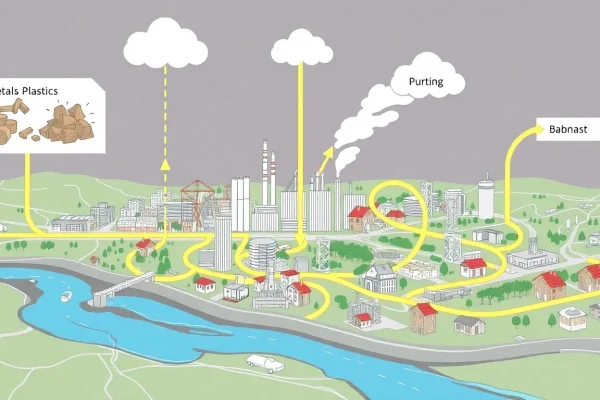
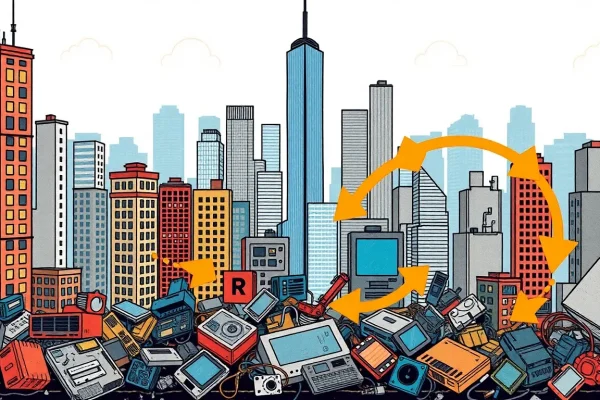
Urban mining is the process of recovering valuable materials, such as metals and minerals, from urban waste streams like discarded electronics, buildings, and infrastructure.…
Search results
Guides, research and analysis matching your search.
76 resultsUrban mining is the process of recovering valuable materials, such as metals and minerals, from urban waste streams like discarded electronics, buildings, and infrastructure.…
Urban trees mitigate heat islands through shading and evapotranspiration, but require significant water, especially in dry climates. The solution is promising yet context-dependent, demanding…
Net zero refers to achieving a balance between the amount of greenhouse gases emitted into the atmosphere and the amount removed. It is a…
Material Flow Analysis (MFA) is a systematic assessment method that quantifies the flows and stocks of materials within a defined system, such as a…
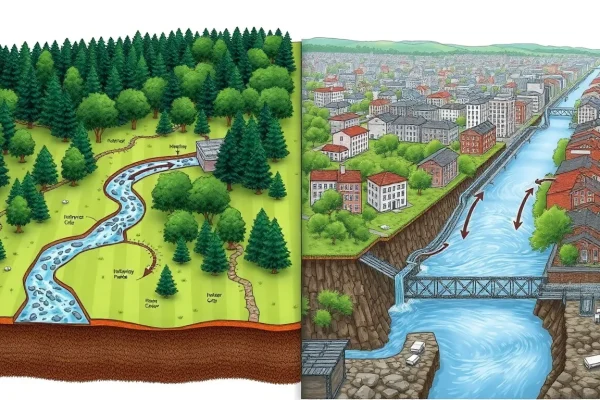
Urbanization dramatically alters the natural water cycle by replacing permeable land with impervious surfaces, reducing infiltration and evapotranspiration while increasing surface runoff. These changes…
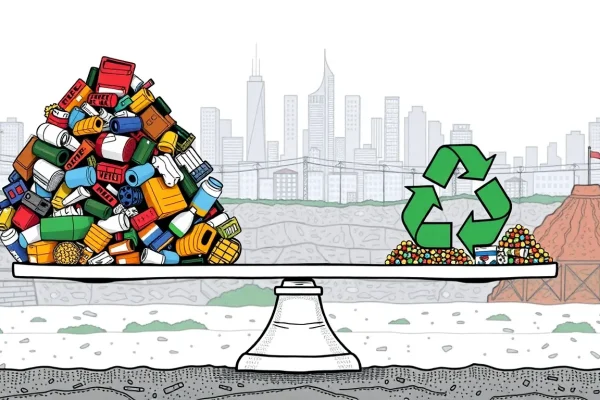
Recycling alone cannot fully meet the growing global demand for materials due to fundamental physical and economic limitations. While it reduces the need for…
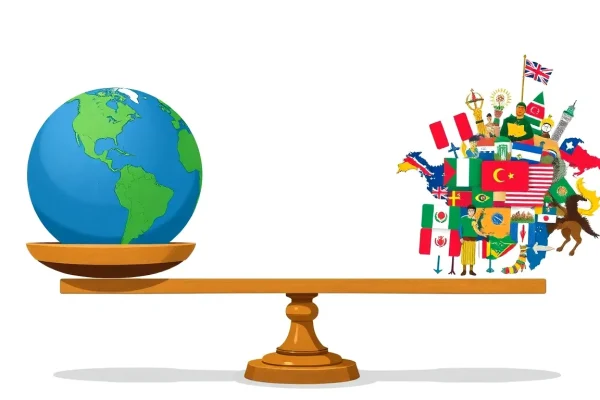
Common but Differentiated Responsibilities (CBDR) is a principle of international environmental law that recognizes all nations share a duty to protect the environment, but…
Reducing vehicle size is a proven, low-cost strategy to cut greenhouse gas emissions, air pollution, and resource consumption. Larger vehicles consume more energy and…
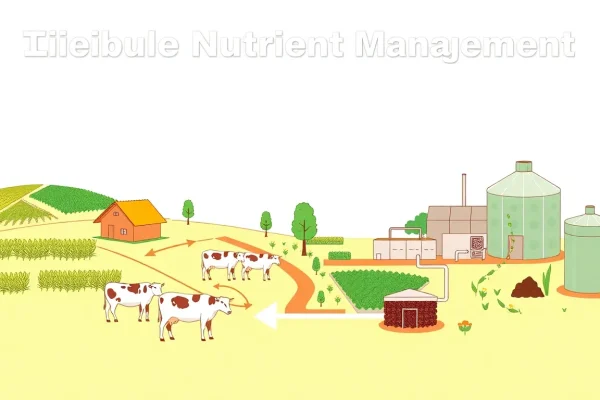
Circular nutrient management is a sustainable approach that recycles nutrients from organic waste back into agricultural production, reducing pollution and resource depletion. It closes…
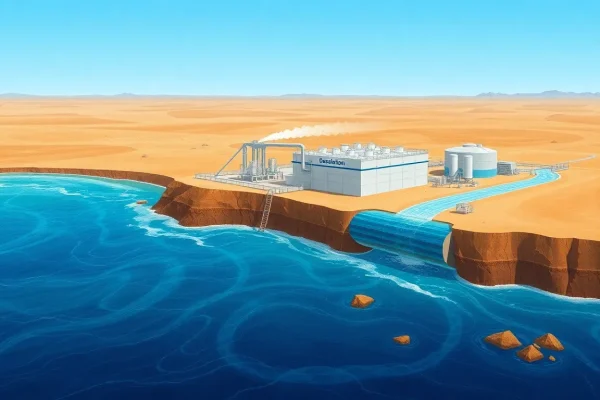
Desalination can augment freshwater supplies in coastal regions, but it is not a universal solution to water scarcity due to high costs, energy demands,…