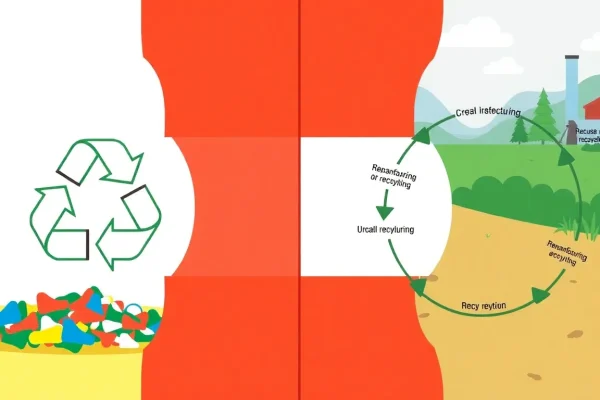
Circular Economy vs Recycling: Understanding the Key Differences
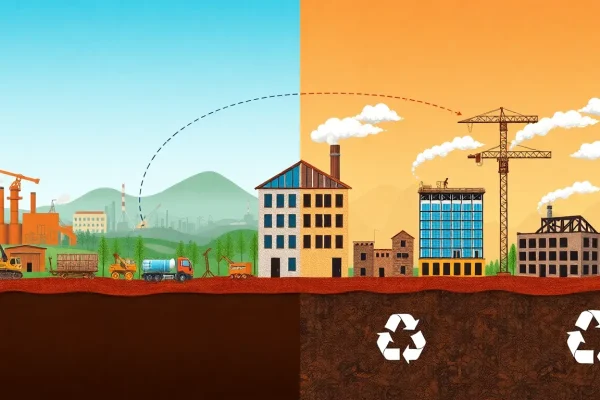
Recycling is a process of converting waste into new materials, while a circular economy is a systemic approach that aims to eliminate waste and…
Search results
Guides, research and analysis matching your search.
103 resultsRecycling is a process of converting waste into new materials, while a circular economy is a systemic approach that aims to eliminate waste and…
Learn what the circular economy is, its core principles, scientific evidence, business opportunities, environmental benefits, and real-world limitations.
Embodied carbon refers to the total greenhouse gas emissions generated during the lifecycle of building materials, from extraction and manufacturing to transportation, construction, and…
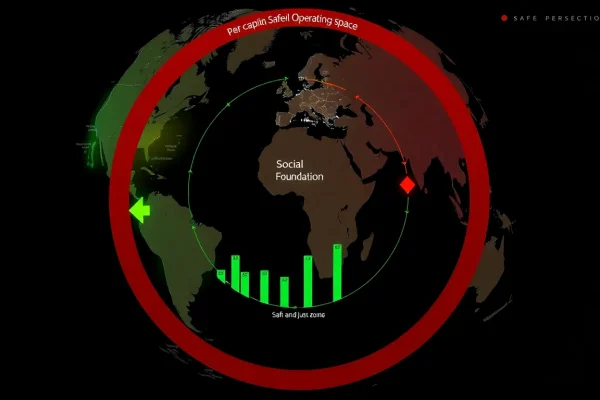
The planetary boundaries framework defines a safe operating space for humanity, but it does not prescribe how resources should be shared among countries. The…
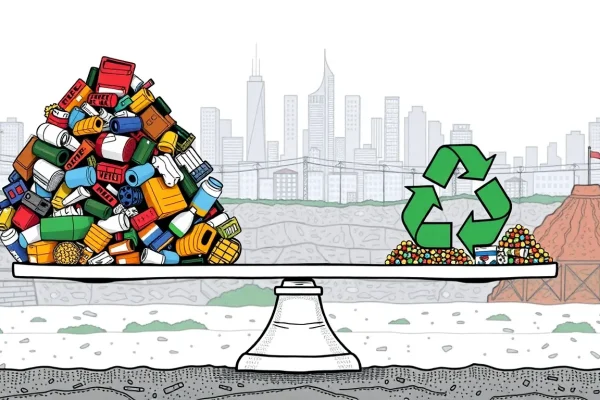
Recycling alone cannot fully meet the growing global demand for materials due to fundamental physical and economic limitations. While it reduces the need for…
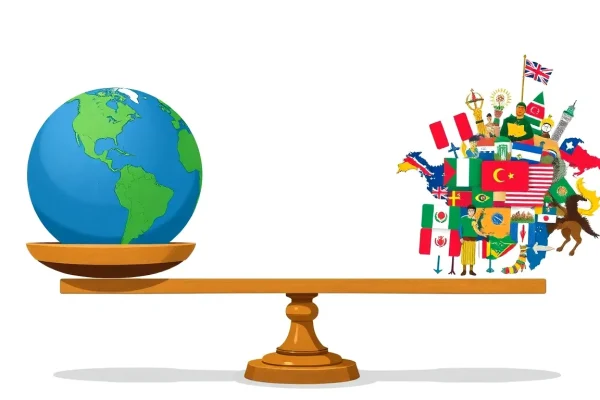
Common but Differentiated Responsibilities (CBDR) is a principle of international environmental law that recognizes all nations share a duty to protect the environment, but…
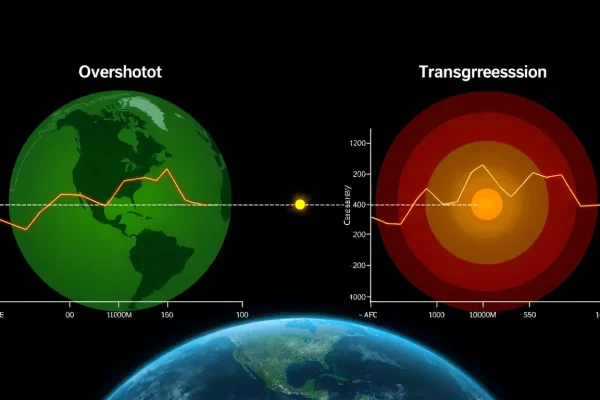
Overshoot refers to a temporary exceedance of a planetary boundary with the potential to return to the safe operating space, whereas transgression denotes a…
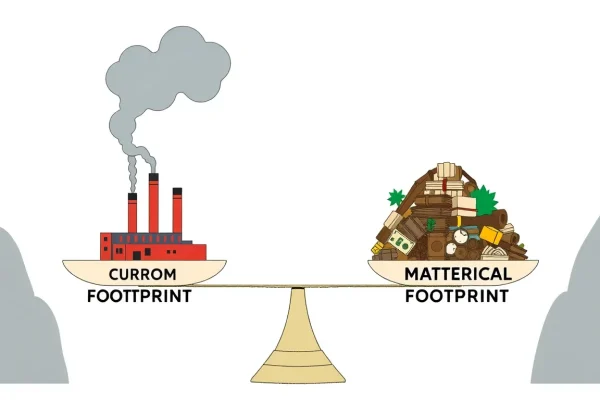
Material footprint measures the total amount of raw materials extracted to meet a country's or individual's consumption, including materials used in imported goods. Carbon…
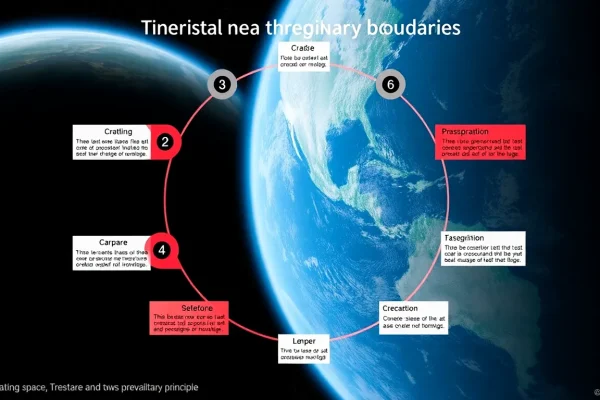
The planetary boundaries framework defines a safe operating space for humanity by setting precautionary limits on nine Earth-system processes. It explicitly incorporates the precautionary…
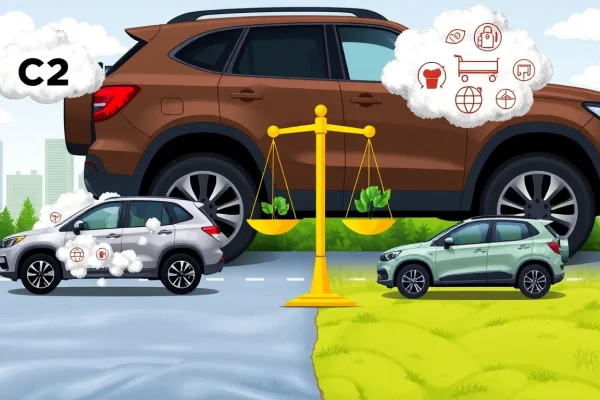
Reducing vehicle size is a proven, low-cost strategy to cut greenhouse gas emissions, air pollution, and resource consumption. Larger vehicles consume more energy and…