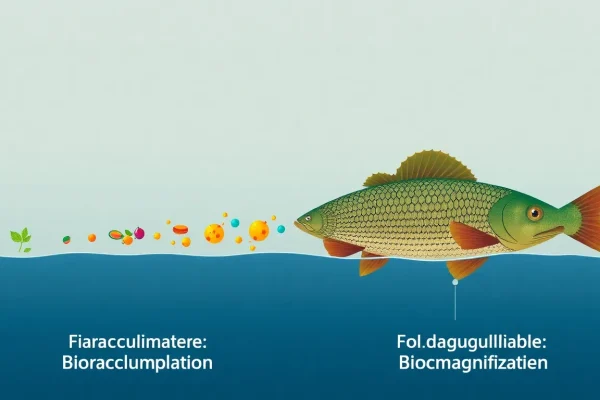
Bioaccumulation vs Biomagnification: Key Differences Explained
Bioaccumulation is the gradual buildup of substances, such as toxic chemicals, in an individual organism over time. Biomagnification is the increasing concentration of those…
Search results
Guides, research and analysis matching your search.
160 resultsBioaccumulation is the gradual buildup of substances, such as toxic chemicals, in an individual organism over time. Biomagnification is the increasing concentration of those…
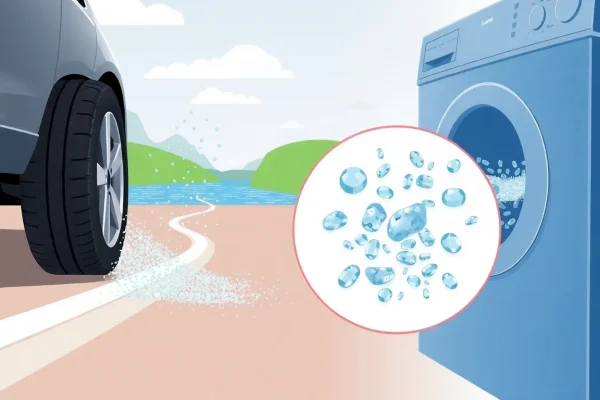
Primary microplastics are tiny plastic particles intentionally manufactured or directly released from products. Tires and synthetic textiles are major sources, shedding particles during use…
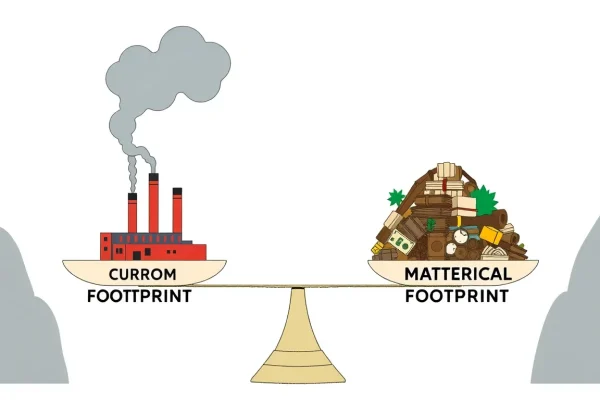
Material footprint measures the total amount of raw materials extracted to meet a country's or individual's consumption, including materials used in imported goods. Carbon…
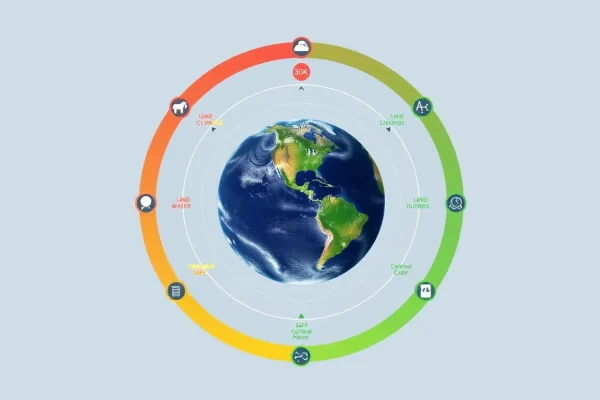
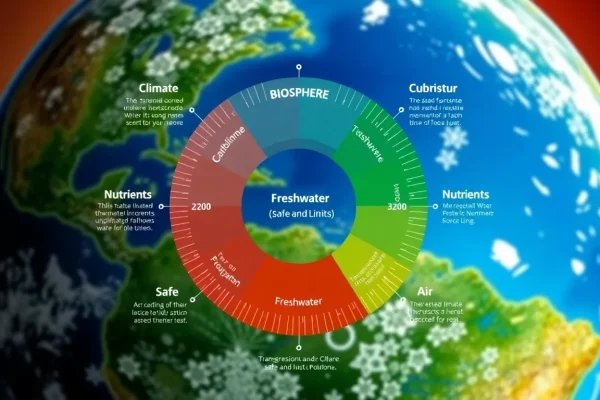
The planetary boundaries framework defines a safe operating space for humanity by identifying nine Earth-system processes and proposing quantitative boundaries for each. It can…
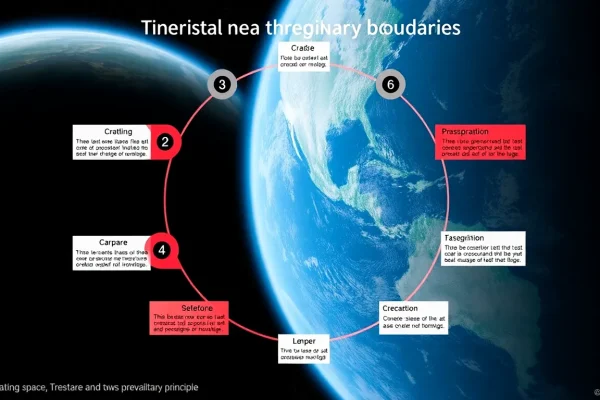
The planetary boundaries framework defines a safe operating space for humanity by setting precautionary limits on nine Earth-system processes. It explicitly incorporates the precautionary…
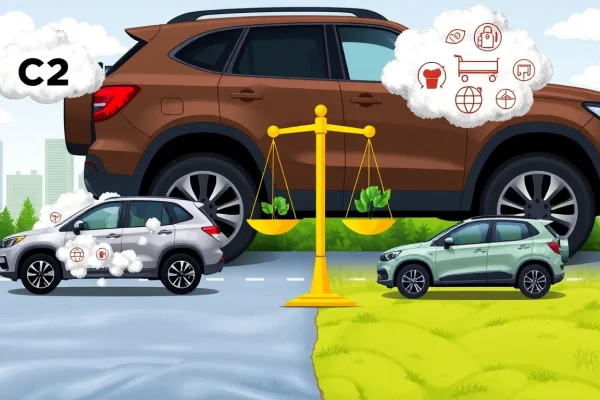
Reducing vehicle size is a proven, low-cost strategy to cut greenhouse gas emissions, air pollution, and resource consumption. Larger vehicles consume more energy and…
A safe and just Earth-system boundary defines the limits of human pressure on critical planetary processes, ensuring both a stable Earth system (safe) and…
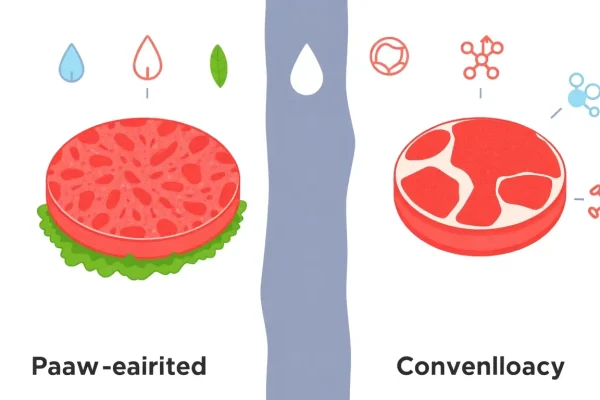
Plant-based meat is a food product made from plant proteins and other ingredients to mimic the taste, texture, and appearance of conventional animal meat.…
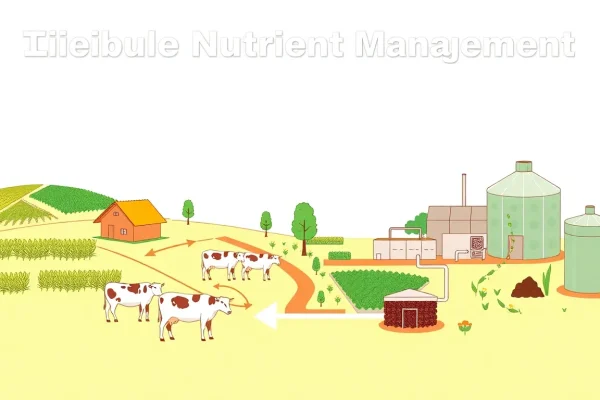
Circular nutrient management is a sustainable approach that recycles nutrients from organic waste back into agricultural production, reducing pollution and resource depletion. It closes…
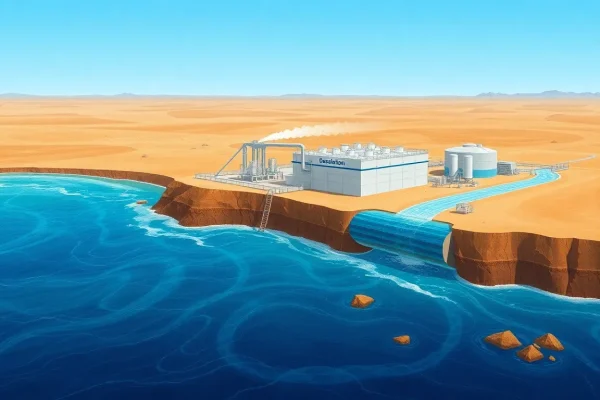
Desalination can augment freshwater supplies in coastal regions, but it is not a universal solution to water scarcity due to high costs, energy demands,…