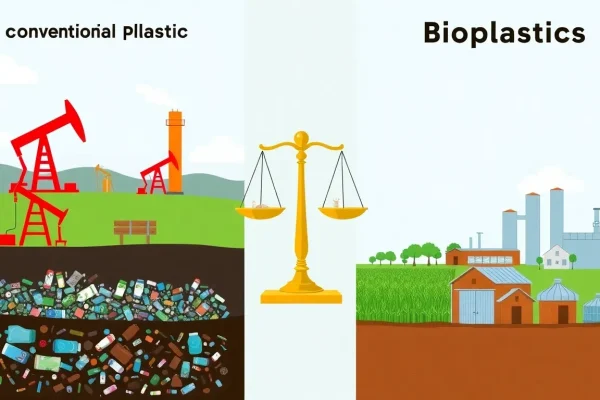
Bioplastics vs Conventional Plastics: A Comprehensive Comparison
Bioplastics are plastics derived from renewable biomass sources or designed to be biodegradable, while conventional plastics are made from fossil fuels and are typically…
Search results
Guides, research and analysis matching your search.
160 resultsBioplastics are plastics derived from renewable biomass sources or designed to be biodegradable, while conventional plastics are made from fossil fuels and are typically…
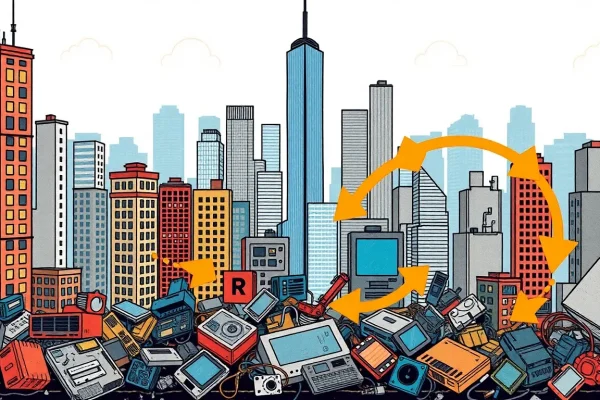
Urban mining is the process of recovering valuable materials, such as metals and minerals, from urban waste streams like discarded electronics, buildings, and infrastructure.…
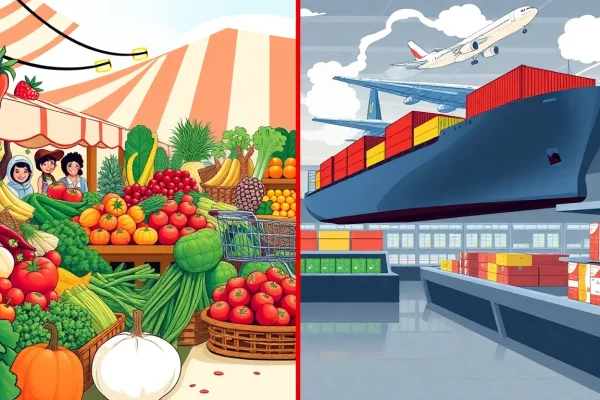
Seasonal food is grown and consumed during its natural harvest period in a specific region, while imported food is transported from distant locations, often…
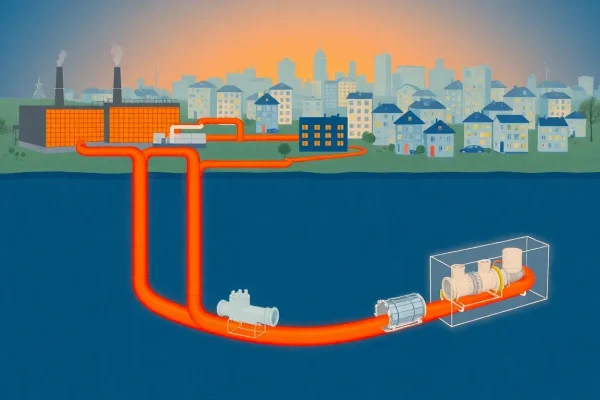
District heating and cooling (DHC) systems distribute thermal energy from centralized sources to multiple buildings, offering a potentially efficient and low-carbon solution for space…
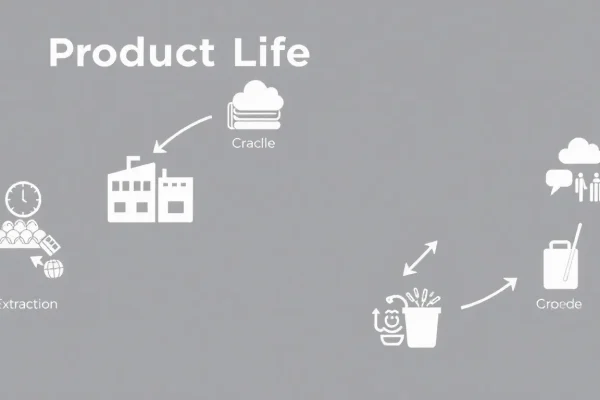
Cradle-to-gate and cradle-to-grave are two system boundaries used in life cycle assessment (LCA) to define the scope of environmental impact analysis. Cradle-to-gate covers from…
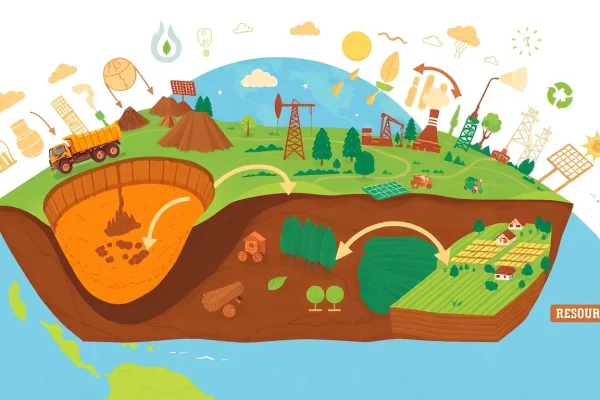
Resource extraction is the process of removing natural resources from the Earth for human use, including mining, drilling, logging, and agriculture. It provides the…
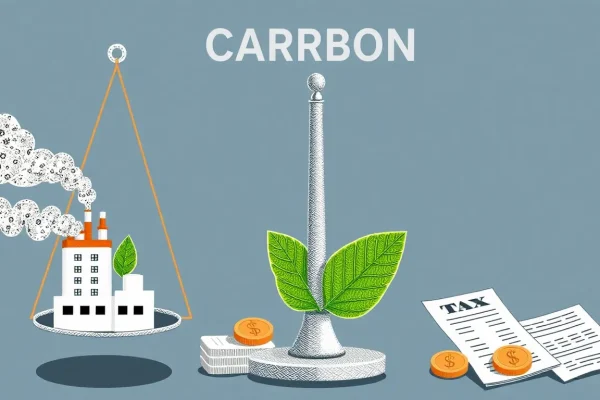
A carbon tax is a fee imposed on the carbon content of fossil fuels, designed to reduce greenhouse gas emissions by making polluting activities…
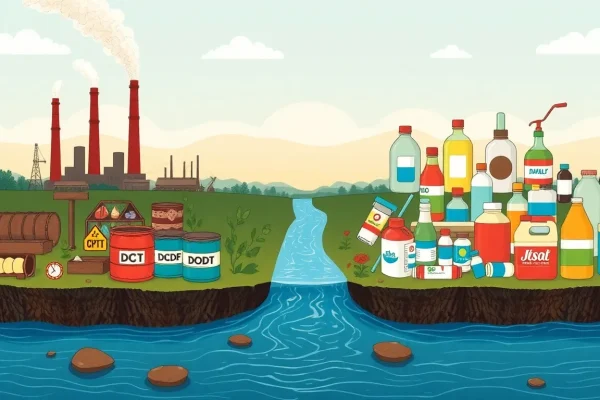
Legacy pollutants are well-known, persistent toxic substances like lead and DDT that have been regulated for decades but still linger in the environment. Emerging…
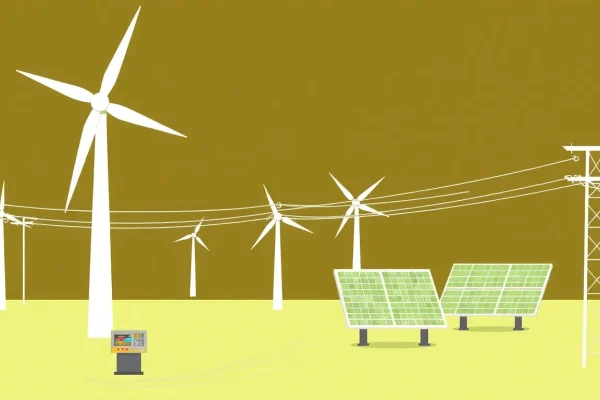
Renewable energy curtailment is the deliberate reduction of output from wind, solar, or other renewable generators below their potential, typically to maintain grid stability…
Demand response is a strategy used by electric grid operators to balance supply and demand by encouraging consumers to reduce or shift their electricity…