What Is Sufficiency in Sustainability Policy?
Sufficiency in sustainability policy is a strategy that aims to reduce absolute resource consumption and demand to within ecological limits. It emphasizes 'enough' rather…
Search results
Guides, research and analysis matching your search.
250 resultsSufficiency in sustainability policy is a strategy that aims to reduce absolute resource consumption and demand to within ecological limits. It emphasizes 'enough' rather…
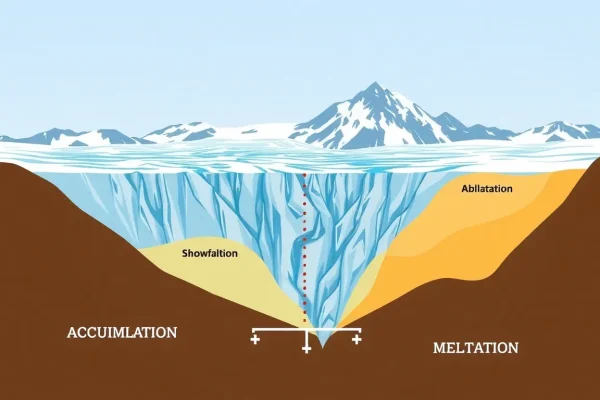
Glacier mass balance is the net gain or loss of ice on a glacier over a specific period, typically a year. It is the…
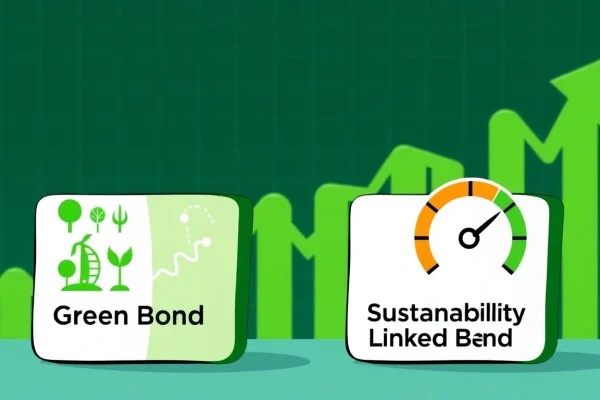
Green bonds are fixed-income instruments that earmark proceeds for environmental projects, while sustainability-linked bonds tie financial terms to the issuer's achievement of sustainability targets.…
Solar radiation modification (SRM) encompasses a set of proposed techniques to reflect a small fraction of sunlight back into space to cool the Earth.…
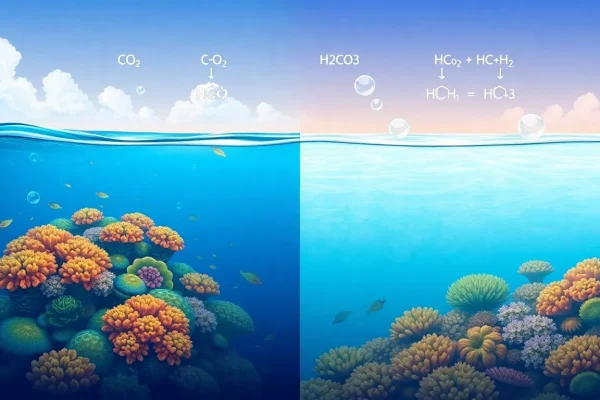
When carbon dioxide (CO₂) from the atmosphere dissolves in seawater, it triggers a series of chemical reactions that lower the ocean's pH, a process…
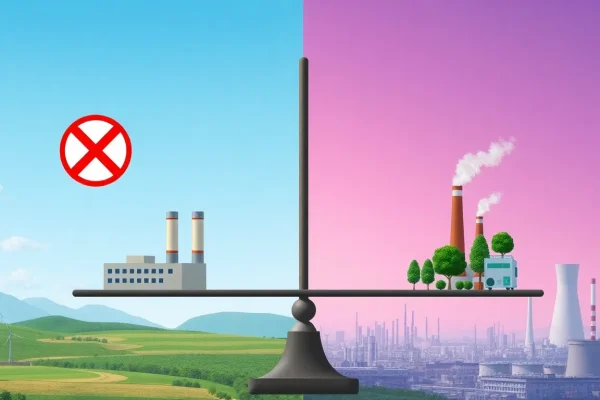
Gross zero emissions means eliminating all greenhouse gas emissions at their source, while net zero allows for some residual emissions to be balanced by…
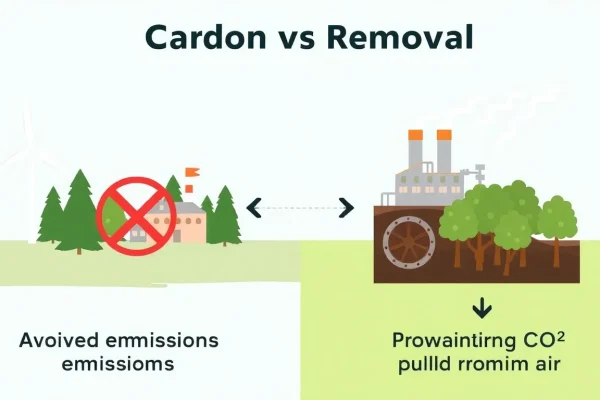
Avoidance credits finance projects that prevent emissions, while removal credits support projects that extract CO2 from the atmosphere. Both are used in carbon markets…
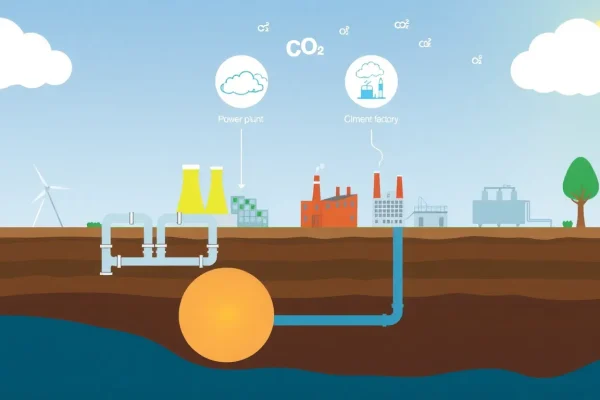
An evidence-based assessment of carbon capture, utilization and storage technologies: their potential to mitigate climate change, real-world performance, costs, risks, and role in a…
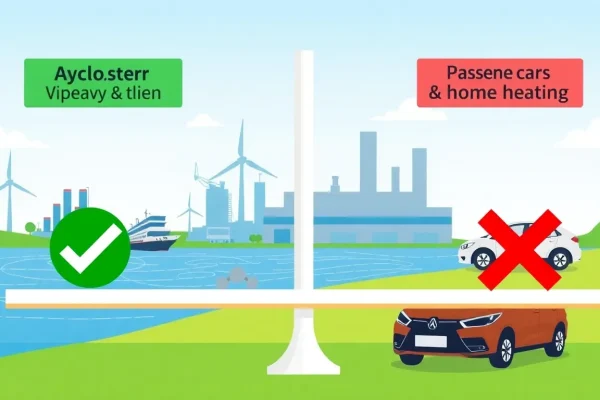
Hydrogen is not a one-size-fits-all energy solution. It makes the most sense in hard-to-electrify sectors like heavy industry, long-haul transport, and seasonal energy storage,…
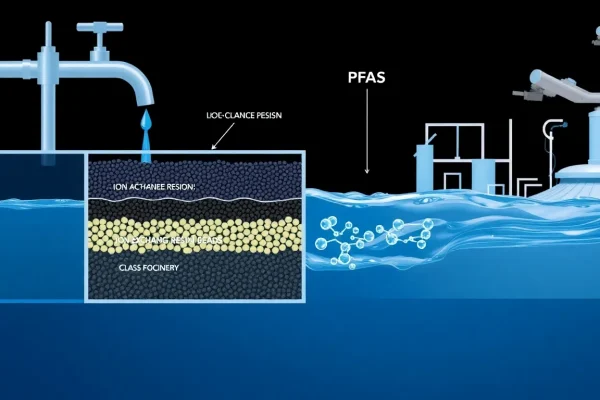
Yes, PFAS can be removed from drinking water using advanced treatment technologies such as granular activated carbon, ion exchange resins, and reverse osmosis. These…