What Is Earth’s Energy Imbalance? A Clear Explanation
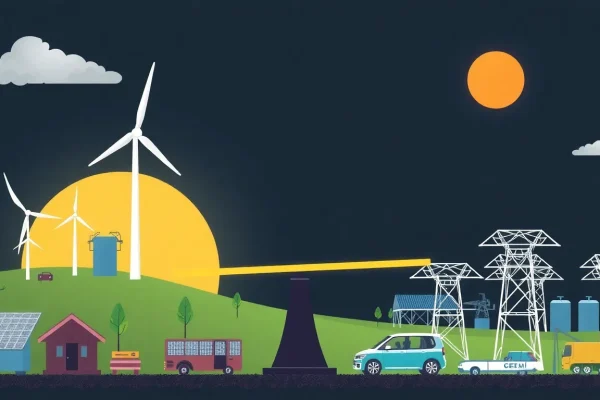
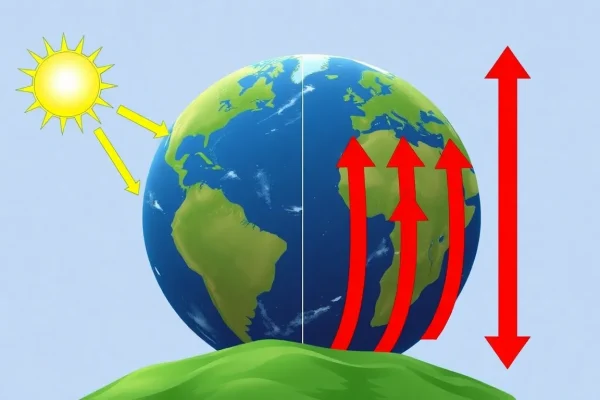
SHORT ANSWER: Earth’s energy imbalance is the net difference between incoming solar radiation absorbed by the planet and outgoing thermal radiation emitted back to…
Search results
Guides, research and analysis matching your search.
237 resultsSHORT ANSWER: Earth’s energy imbalance is the net difference between incoming solar radiation absorbed by the planet and outgoing thermal radiation emitted back to…
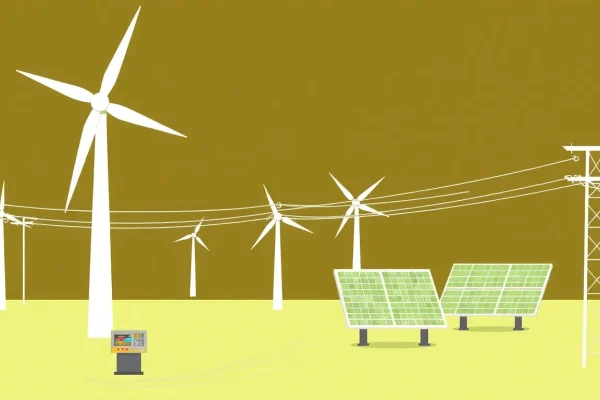
Renewable energy curtailment is the deliberate reduction of output from wind, solar, or other renewable generators below their potential, typically to maintain grid stability…
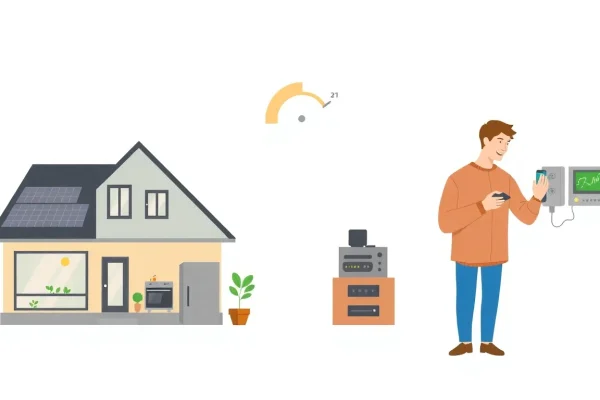
Energy efficiency uses technology to perform the same tasks with less energy, while energy conservation involves behavioral changes to reduce energy use. Both are…
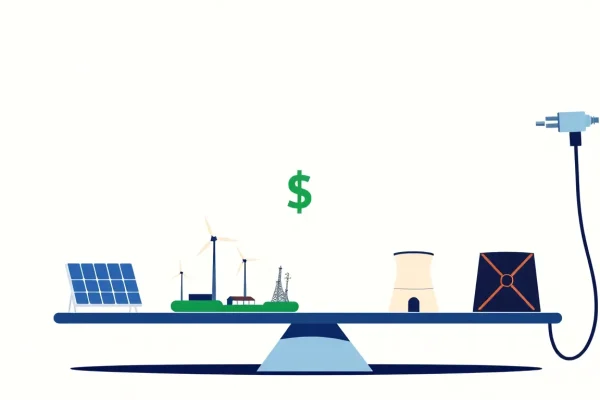
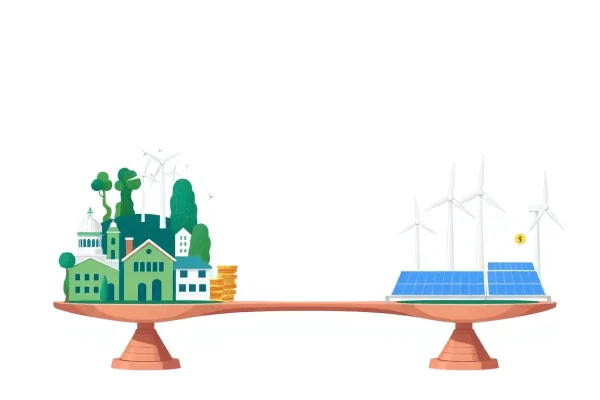
Levelized Cost of Energy (LCOE) is a metric used to compare the lifetime costs of different electricity generation technologies on a consistent basis. It…
Firm power refers to electricity sources that can be dispatched on demand to guarantee supply, such as natural gas, nuclear, and reservoir hydropower. Variable…
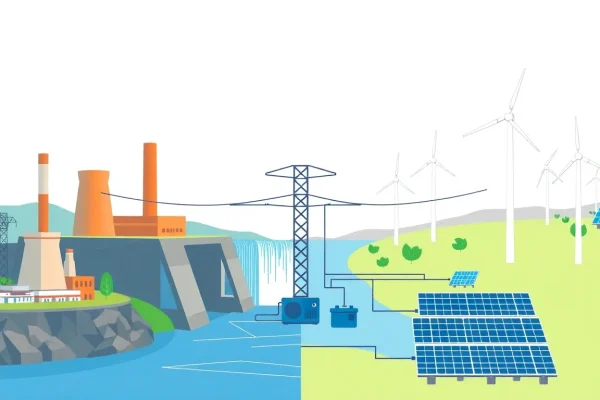
The energy transition is the global shift from fossil fuel-based energy systems to low-carbon and renewable sources, driven by climate goals and technological progress.…
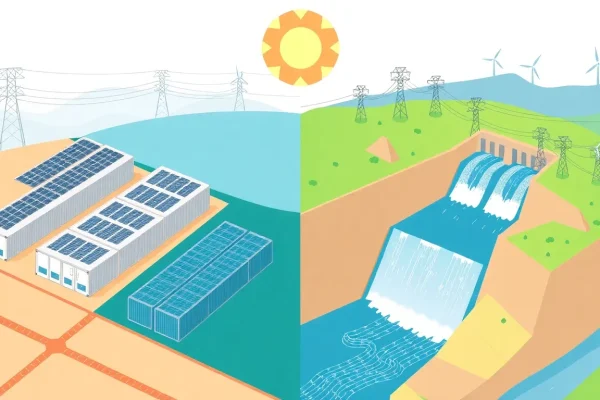
Battery storage and pumped hydropower are two primary methods for storing electrical energy. Battery systems use electrochemical cells to provide fast, modular storage, while…
The energy transition is financed by a blend of public and private sources: governments provide subsidies, tax incentives, and direct investment; corporations and investors…
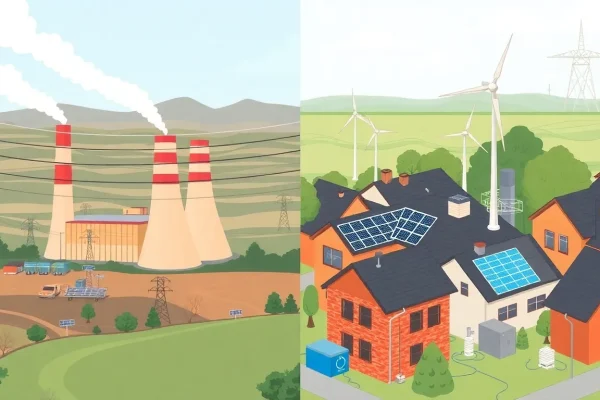
Distributed energy refers to power generation and storage systems located close to the point of use, such as rooftop solar panels or small wind…
Primary energy is the energy contained in natural resources before any conversion, such as coal, crude oil, or sunlight. Final energy is the energy…