What Is Ecological Economics? A Comprehensive Overview
Ecological economics is a transdisciplinary field that views the economy as a subsystem of the Earth's ecosystem, emphasizing that economic activity must respect biophysical…
Search results
Guides, research and analysis matching your search.
206 resultsEcological economics is a transdisciplinary field that views the economy as a subsystem of the Earth's ecosystem, emphasizing that economic activity must respect biophysical…
Environmental persistence is the ability of a substance to remain in the environment without significant degradation, often measured by its half-life. It matters because…
Compostable plastics break down into non-toxic components in composting conditions, while biodegradable plastics can degrade naturally but without a defined timeframe or end-product. Bio-based…
Ocean deoxygenation is the decline in dissolved oxygen levels in the world's oceans, driven primarily by rising water temperatures and nutrient pollution. Warmer water…
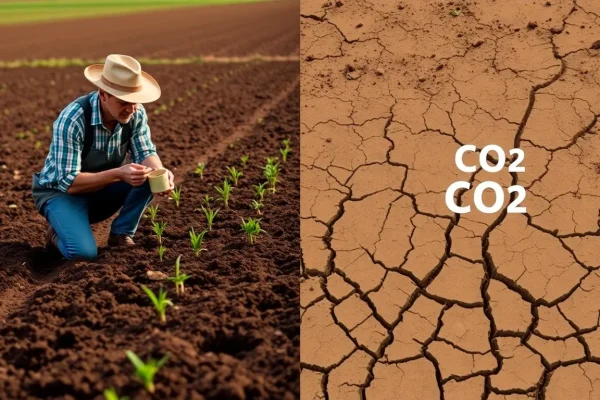
Carbon dioxide accumulates in the atmosphere because human activities—primarily burning fossil fuels and deforestation—release CO2 faster than natural sinks like oceans and forests can…
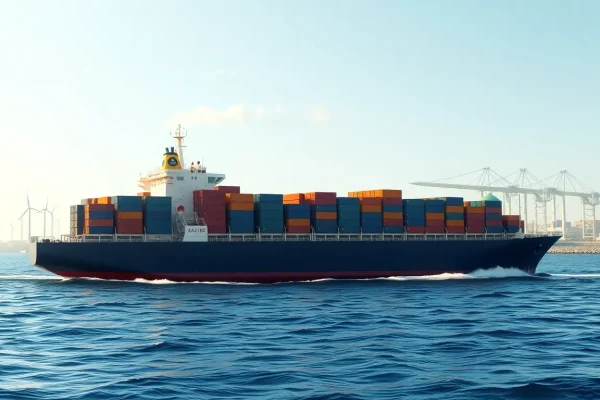
Shipping, the backbone of global trade, accounts for about 2-3% of global greenhouse gas emissions. A combination of energy efficiency, alternative fuels, and operational…
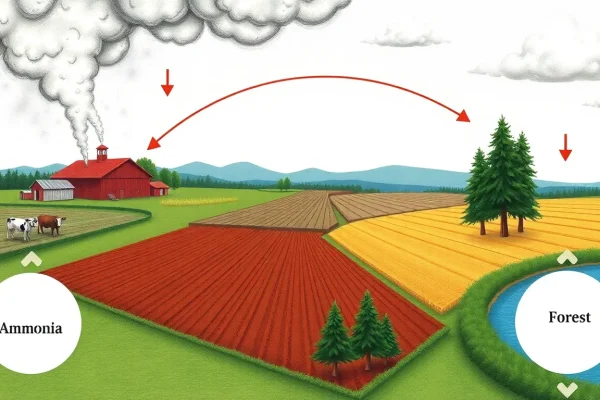
Ammonia pollution from agriculture is the release of gaseous ammonia (NH₃) into the air from livestock manure and nitrogen fertilizers. Once airborne, ammonia reacts…
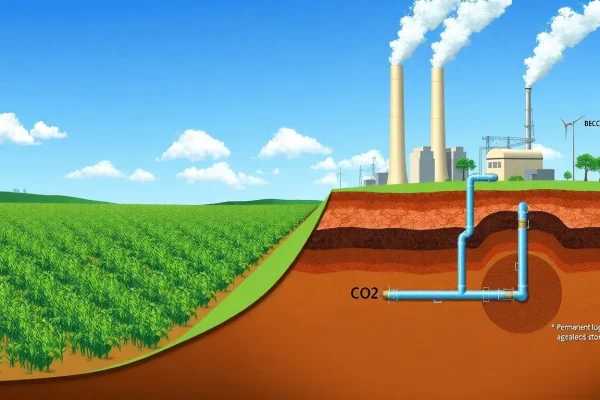
Bioenergy with carbon capture and storage (BECCS) is a carbon dioxide removal technology that combines energy generation from biomass with the capture and permanent…
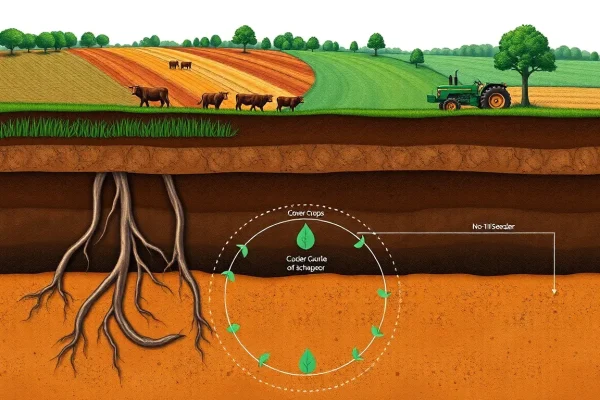
Regenerative agriculture is a holistic approach to farming and grazing that aims to restore soil health, increase biodiversity, and sequester atmospheric carbon. While its…
Soil carbon credits aim to offset emissions by storing carbon in agricultural soils, but face major hurdles in accurate measurement, ensuring permanence, and proving…