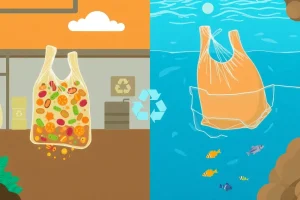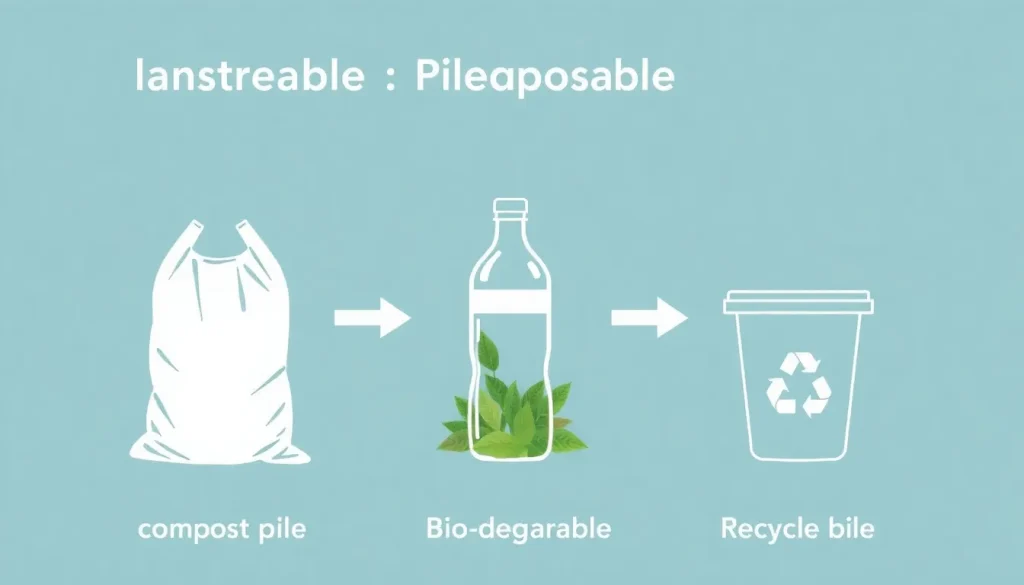
In brief
At a glance
Quick Facts
- Compostable plastics require specific conditions
- Industrial composting facilities with controlled heat, moisture, and microbes are needed for most compostable plastics to fully break down.
- Biodegradable does not mean quick or safe
- The term 'biodegradable' is unregulated; some products may take years to degrade or leave toxic residues.
- Bio-based is about origin, not end-of-life
- Bio-based plastics are made from renewable resources but can be chemically identical to fossil-based plastics and non-biodegradable.
- Certification standards exist
- EN 13432 and ASTM D6400 require 90% biodegradation within 6 months in an industrial composting environment.
- Home compostable is a distinct category
- Products labeled 'home compostable' (e.g., to EN 17427) can break down in lower-temperature backyard compost piles.
- Oxo-degradable plastics are not a solution
- These fragment into microplastics and do not fully biodegrade; they are banned in the EU and other regions.
- Bio-based content is measured by carbon-14
- ASTM D6866 uses radiocarbon analysis to determine the percentage of renewable carbon in a plastic.
- Compostable plastics can contaminate recycling
- If mistakenly placed in recycling bins, compostable plastics can degrade the quality of recycled materials.
Key Takeaways
- Compostable plastics require specific conditions (industrial composting) to fully break down into non-toxic biomass, water, and CO₂ within a set timeframe.
- Biodegradable plastics can be broken down by microorganisms, but the term is unregulated and does not guarantee complete degradation or a safe end-product.
- Bio-based plastics are made from renewable resources, but they are not necessarily biodegradable or compostable; their end-of-life depends on their chemical structure.
- Misunderstanding these terms leads to improper disposal, contamination of recycling streams, and greenwashing, undermining efforts to tackle plastic pollution.
What Is Compostable vs Biodegradable vs Bio-Based Plastics?
Compostable, biodegradable, and bio-based plastics are three distinct categories of materials often confused in public discourse. Compostable plastics are a subset of biodegradable plastics that, under specific composting conditions, break down into carbon dioxide, water, inorganic compounds, and biomass at a rate consistent with other known compostable materials, leaving no toxic residue. Biodegradable plastics, in contrast, can be broken down by microorganisms (bacteria, fungi) into natural substances, but the term does not specify the environment, timeframe, or completeness of degradation. Bio-based plastics are defined by their origin: they are derived wholly or partly from renewable biomass sources such as corn starch, sugarcane, or cellulose, rather than fossil fuels. However, being bio-based does not automatically mean a plastic is biodegradable or compostable.
These distinctions are critical because they affect how materials behave at end-of-life and what claims manufacturers can make. A product labeled “biodegradable” might persist for years in a landfill or fragment into microplastics without fully mineralizing. A bio-based plastic like bio-polyethylene (bio-PE) is chemically identical to fossil-based PE and is not biodegradable, yet it is often marketed as “green” because of its renewable origin. Compostable plastics, certified to standards such as EN 13432 or ASTM D6400, are designed to disintegrate in industrial composting facilities, but they rarely break down in home compost or marine environments. Clear definitions and certifications are essential to avoid misleading consumers and to ensure that these materials contribute to a circular economy rather than exacerbating pollution.
How It Works
The degradation of compostable and biodegradable plastics depends on the material’s chemical structure and the environmental conditions. Compostable plastics, typically made from polylactic acid (PLA), polyhydroxyalkanoates (PHA), or starch blends, require a combination of heat (around 58°C), moisture, and microbial activity found in industrial composting facilities. Under these controlled conditions, microorganisms consume the polymer chains, converting them into CO₂, water, and humus within a specified period (usually 12 weeks for disintegration and 6 months for full biodegradation). The process is aerobic, meaning it requires oxygen, and the resulting compost must be non-toxic and support plant growth.
Biodegradable plastics, on the other hand, can break down through various mechanisms, including hydrolysis, photodegradation, or microbial action, but the rate and completeness vary widely. Some biodegradable plastics are designed to degrade in soil, freshwater, or marine environments, but many require industrial conditions to degrade within a reasonable timeframe. The term “biodegradable” is often used loosely, and without certification, there is no guarantee that the plastic will fully mineralize or that it won’t leave harmful residues. Bio-based plastics are defined by their feedstock, not their end-of-life behavior. For example, bio-based polyethylene (bio-PE) is chemically identical to fossil-based PE and is not biodegradable, while polylactic acid (PLA) is both bio-based and industrially compostable. The degradation pathway is determined by the polymer’s chemical bonds, not its origin.
Importance and Impact
The confusion between compostable, biodegradable, and bio-based plastics has significant environmental and economic consequences. When non-compostable plastics are mistakenly placed in compost bins, they contaminate the organic waste stream, leading to lower-quality compost and increased sorting costs. Similarly, bio-based but non-biodegradable plastics can disrupt mechanical recycling systems if not properly separated. Misleading labels can also give consumers a false sense of security, encouraging littering under the assumption that the material will quickly disappear in nature—which is rarely the case.
On the positive side, certified compostable plastics can help divert food waste from landfills by enabling the collection of food scraps in compostable bags. In regions with well-developed industrial composting infrastructure, these materials can contribute to a circular economy, turning waste into valuable soil amendments. Bio-based plastics, when used in durable goods, can reduce reliance on fossil fuels and lower the carbon footprint of plastic production. However, the overall impact depends on responsible sourcing, proper waste management, and clear communication to consumers about disposal requirements.
Common Misconceptions
Benefits, Limitations and Trade-offs
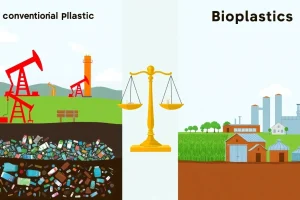
Compostable plastics offer the benefit of enabling organic waste diversion and reducing contamination in compost streams when used correctly. They can replace conventional plastics in applications like food packaging, bags, and agricultural mulch films, where recycling is difficult. However, their limitations include the need for dedicated collection and processing infrastructure, higher production costs, and potential competition with food crops for feedstock. If not properly managed, they can contaminate recycling streams and do not address the issue of littering.
Biodegradable plastics, when certified for specific environments (e.g., soil biodegradable mulch films), can reduce plastic accumulation in agriculture. Yet the lack of universal standards and the risk of incomplete degradation make them a controversial solution. Bio-based plastics can lower greenhouse gas emissions and fossil resource depletion, but they may still persist in the environment if not biodegradable. Trade-offs include land use for biomass production, water consumption, and the energy required for processing. A holistic assessment is necessary to determine whether a particular material offers a net environmental benefit over its life cycle.
What Individuals Can Do
- Look for certification labels: Choose products with recognized compostability logos (e.g., BPI, Seedling, OK Compost) to ensure they meet standards.
- Dispose correctly: Place compostable plastics only in designated organic waste bins where industrial composting is available. Do not put them in recycling bins unless specifically accepted.
- Reduce overall plastic use: Prioritize reusable items over single-use plastics, regardless of their eco-labels.
- Educate yourself: Learn the difference between bio-based, biodegradable, and compostable to avoid being misled by greenwashing.
- Support home composting: If you have a backyard compost, use only products labeled “home compostable” and follow local guidelines.
What Businesses and Governments Can Do
Businesses can adopt clear, truthful labeling that specifies the appropriate disposal method and certification standard. They should avoid vague claims like “eco-friendly” or “biodegradable” without supporting evidence. Investing in design for circularity—such as using mono-materials that are easily recyclable or compostable—can improve end-of-life outcomes. Companies can also support the development of composting infrastructure and participate in extended producer responsibility schemes.
Governments play a crucial role by establishing and enforcing standards for biodegradability and compostability claims. Policies that mandate separate collection of organic waste and ban misleading labels (e.g., oxo-degradable plastics) help create a level playing field. Public investment in industrial composting facilities and consumer education campaigns can increase the capture rate of compostable plastics and reduce contamination. Harmonizing standards internationally would facilitate trade and ensure consistent environmental protection.
FAQ
What is the difference between compostable and biodegradable plastics?
Compostable plastics are a subset of biodegradable plastics that break down into non-toxic components (water, CO₂, biomass) under specific composting conditions within a defined timeframe. Biodegradable plastics can be broken down by microorganisms, but the term does not specify how quickly or completely this happens, nor the safety of the end-products.
Are bio-based plastics always biodegradable?
No. Bio-based plastics are made from renewable resources, but their biodegradability depends on their chemical structure. For example, bio-based polyethylene (bio-PE) is not biodegradable, while polylactic acid (PLA) is both bio-based and industrially compostable.
Can I compost compostable plastics at home?
Only if the product is specifically labeled as 'home compostable' and meets standards like EN 17427. Most compostable plastics require the higher temperatures and controlled conditions of industrial composting facilities and will not break down effectively in a backyard compost pile.
References
- ASTM D6400 – Standard Specification for Labeling of Plastics Designed to be Aerobically Composted in Municipal or Industrial Facilities
- European Standard EN 13432 – Requirements for packaging recoverable through composting and biodegradation
- ISO 17088 – Specifications for compostable plastics