Circular Economy vs Recycling: Understanding the Key Differences
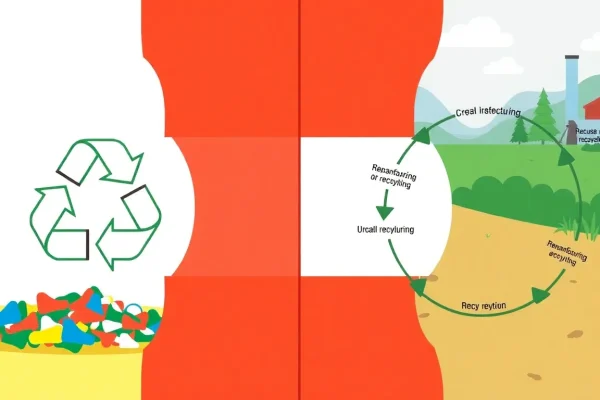
Recycling is a process of converting waste into new materials, while a circular economy is a systemic approach that aims to eliminate waste and…
Search results
Guides, research and analysis matching your search.
51 resultsRecycling is a process of converting waste into new materials, while a circular economy is a systemic approach that aims to eliminate waste and…
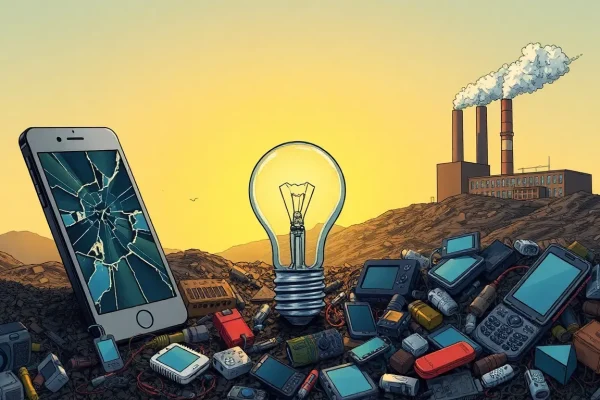
Planned obsolescence is the practice of designing products with artificially limited lifespans to encourage frequent replacement. This strategy drives excessive resource extraction, energy consumption,…
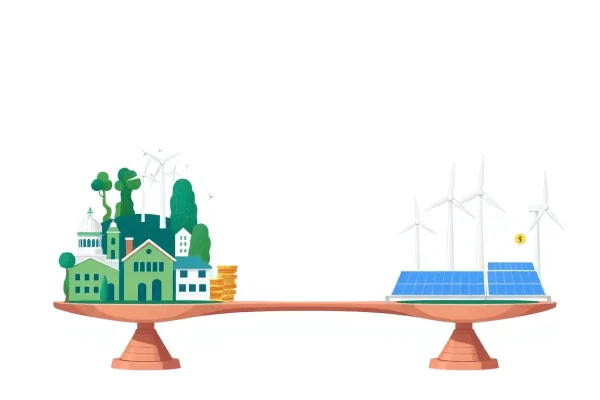
The energy transition is financed by a blend of public and private sources: governments provide subsidies, tax incentives, and direct investment; corporations and investors…
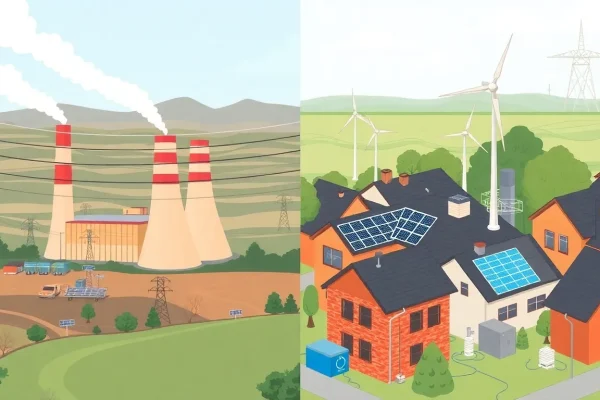
Distributed energy refers to power generation and storage systems located close to the point of use, such as rooftop solar panels or small wind…
A climate transition plan is a strategic roadmap that outlines how an organization will align its operations, business model, and value chain with a…
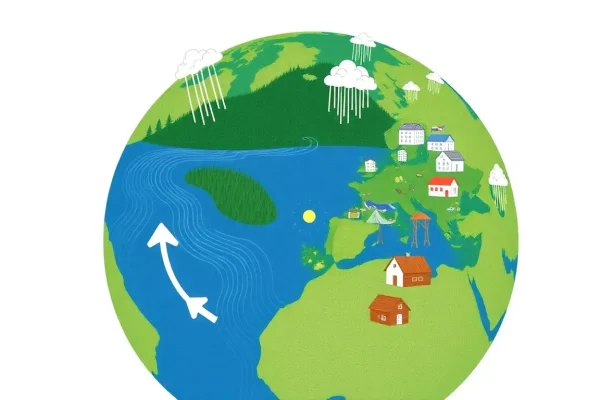
Freshwater change encompasses shifts in water availability, quality, timing, and distribution driven by climate change, land use, pollution, and other factors beyond direct human…
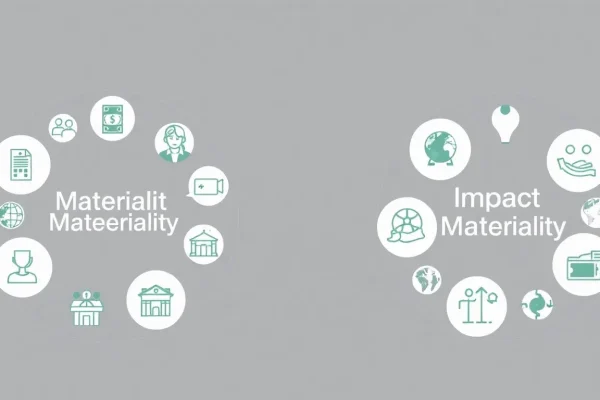
Financial materiality focuses on how sustainability issues affect a company’s financial performance, while impact materiality addresses the company’s effects on society and the environment.…
Energy intensity is a measure of the energy required to produce one unit of economic output, typically expressed as energy consumption per unit of…
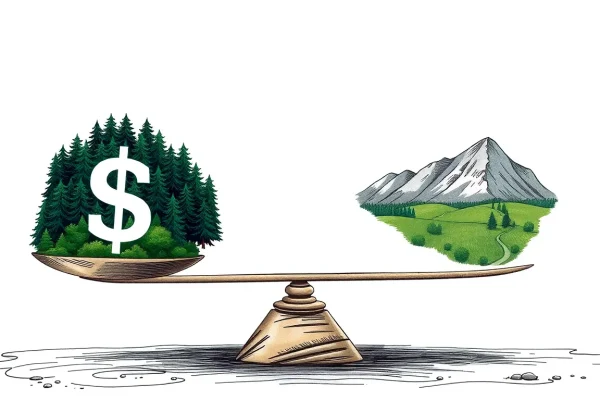
Natural capital is a framework that treats ecosystems and natural resources as assets providing essential services, aiming to integrate environmental values into economic decision-making.…
The global food system encompasses all activities and resources involved in producing, processing, distributing, consuming, and disposing of food worldwide. It is a complex…