In brief
At a glance
Quick Facts
- Definition of Distributed Energy
- Electricity generation and storage located close to the point of use, typically small-scale and modular.
- Definition of Centralized Energy
- Large-scale power plants that generate electricity and transmit it over long distances to consumers.
- Typical Scale
- Centralized plants can exceed 1,000 MW; distributed systems range from a few kW to tens of MW.
- Transmission Losses
- Centralized grids lose 5–10% of electricity during transmission and distribution; distributed systems minimize these losses.
- Examples of DERs
- Rooftop solar PV, small wind turbines, combined heat and power (CHP), fuel cells, battery storage.
- Grid Resilience
- Distributed systems can operate independently during central grid outages, improving local reliability.
- Environmental Impact
- Distributed renewables produce no direct emissions; centralized fossil fuel plants are major CO2 sources.
- Cost Comparison
- Centralized generation has lower per-unit costs due to scale, but distributed avoids transmission infrastructure costs.
- Adoption Drivers
- Falling technology costs, policy incentives, and demand for energy independence are accelerating DER deployment.
- Hybrid Systems
- Modern grids increasingly integrate both centralized and distributed resources for optimal performance.
Key Takeaways
- Distributed energy systems generate power near the point of use, reducing transmission losses and enhancing local resilience.
- Centralized energy relies on large-scale power plants and extensive grids, offering economies of scale but with vulnerability to disruptions.
- The shift toward distributed energy is driven by technological advances, environmental concerns, and the desire for energy independence.
- Both models can coexist in a hybrid system, balancing reliability, cost, and sustainability.
What Is Distributed Energy vs Centralized Energy?
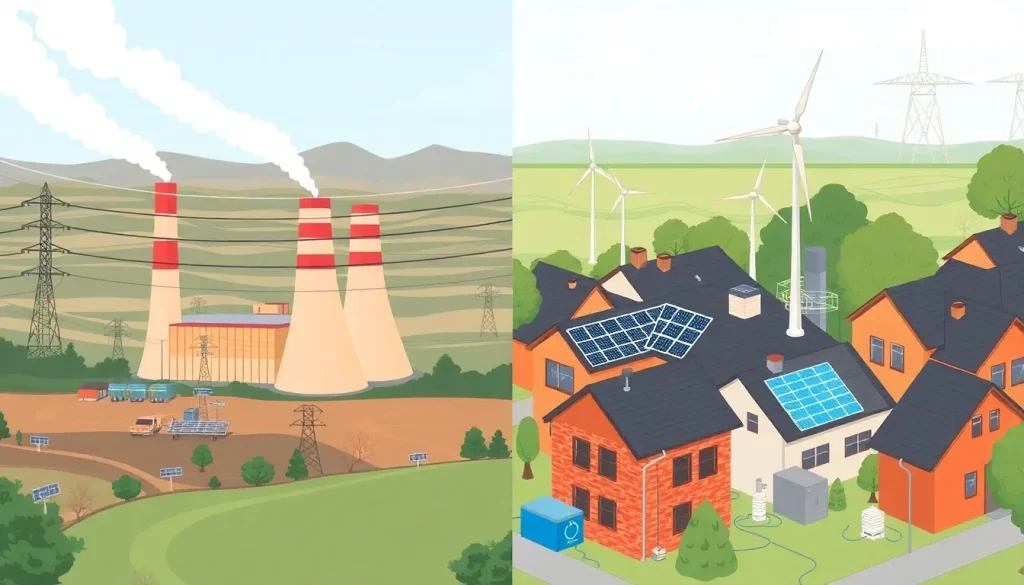
Distributed energy refers to a decentralized approach where electricity is produced at or near the location where it is consumed, often using small-scale technologies such as rooftop solar panels, small wind turbines, combined heat and power (CHP) systems, and battery storage. In contrast, centralized energy involves generating power at large, remote facilities—like coal, nuclear, or hydroelectric plants—and transmitting it over long distances through high-voltage lines to end users. The fundamental distinction lies in scale and proximity: distributed systems are modular and localized, while centralized systems are massive and interconnected.
This dichotomy is not new; early electricity systems were often localized, but the model shifted toward centralization in the 20th century to achieve economies of scale and meet growing urban demand. Today, technological advancements and policy changes are reviving interest in distributed energy as a complement or alternative to the traditional grid. The comparison between these two paradigms is central to discussions about grid modernization, energy security, and the transition to low-carbon power sources.
Overview
Centralized energy systems have dominated the global electricity supply for over a century. They typically consist of large power plants—fueled by coal, natural gas, nuclear fission, or hydropower—that generate electricity at a central location. This power is then stepped up to high voltages for efficient long-distance transmission via a network of substations and power lines, before being stepped down for distribution to homes and businesses. The centralized model benefits from economies of scale, allowing for lower per-unit generation costs, and it enables grid operators to balance supply and demand across wide areas.
Distributed energy systems, on the other hand, are characterized by smaller, modular generation units located close to the point of consumption. These can include rooftop solar photovoltaic (PV) panels, small wind turbines, fuel cells, microturbines, and battery energy storage systems. Often, distributed energy resources (DERs) are connected to the local distribution grid rather than the high-voltage transmission network. They can operate independently or in coordination with the main grid, and when combined with advanced controls, they can form microgrids—localized grids that can disconnect from the central grid and operate autonomously during outages.
History
The earliest electricity systems in the late 19th century were inherently distributed. Thomas Edison’s Pearl Street Station in New York City (1882) served a small area with direct current (DC) power, and similar isolated grids emerged in other cities. However, the invention of alternating current (AC) and transformers enabled efficient long-distance transmission, leading to the rise of large, centralized power plants. By the mid-20th century, vertically integrated utilities owned generation, transmission, and distribution, achieving massive economies of scale and extending electrification to rural areas.
The oil crises of the 1970s and growing environmental awareness sparked renewed interest in decentralized energy. Early distributed generation included backup diesel generators and small-scale cogeneration. The real transformation began in the late 20th and early 21st centuries with the rapid cost decline of solar photovoltaics, wind turbines, and battery storage. Policy mechanisms like feed-in tariffs and net metering further incentivized rooftop solar and other DERs. Today, distributed energy is a key component of the global energy transition, challenging the traditional centralized utility model.
How It Works
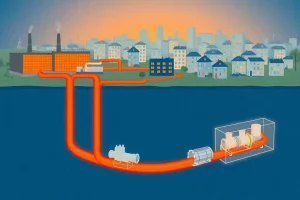
In a centralized energy system, large power plants convert primary energy sources (coal, natural gas, nuclear, or hydro) into electricity. The electricity is then transmitted over high-voltage lines to substations, where voltage is reduced for distribution to end users. This one-way flow from plant to consumer is managed by grid operators who balance supply and demand in real time. Centralized systems rely on a hierarchical control structure and extensive infrastructure to ensure reliability.
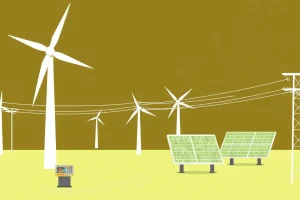
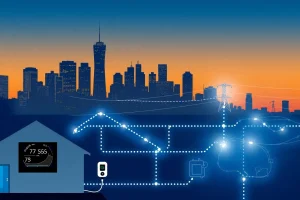
Distributed energy systems, by contrast, generate electricity at or near the point of use. Rooftop solar panels, for example, convert sunlight directly into electricity that can be consumed on-site, stored in batteries, or fed back into the grid. Small wind turbines and micro-hydropower operate similarly. Combined heat and power (CHP) systems simultaneously produce electricity and useful heat, increasing overall efficiency. Advanced inverters and smart meters enable two-way power flows and real-time communication with the grid. When multiple DERs are integrated with loads and storage, they can form a microgrid that operates in parallel with the main grid or independently in “island mode.”
Benefits, Limitations and Trade-offs
Centralized energy offers several advantages: economies of scale reduce generation costs, and a single large plant can serve millions of customers. The grid’s interconnectedness allows for resource sharing and backup during local shortages. However, centralized systems suffer from transmission and distribution losses (typically 5–10% of electricity is lost as heat), are vulnerable to cascading failures from natural disasters or cyberattacks, and often rely on fossil fuels with significant environmental impacts. Building new large plants and transmission lines is capital-intensive and faces siting challenges.
Distributed energy provides greater resilience by reducing dependence on long-distance transmission and single points of failure. It can lower line losses, improve energy efficiency through local generation and use, and empower consumers to produce their own power. DERs also facilitate the integration of renewable energy, reducing greenhouse gas emissions. However, distributed systems face challenges: they can be more expensive per unit of capacity due to lack of scale, may require grid upgrades to manage bidirectional flows, and can create voltage and frequency stability issues if not properly coordinated. Intermittent sources like solar and wind need storage or backup. The trade-off often involves balancing the benefits of local control and resilience against the cost and complexity of managing many small generators.
Importance and Impact
The comparison between distributed and centralized energy is critical for energy policy, climate goals, and economic development. As countries seek to decarbonize their power sectors, distributed renewable energy can accelerate the transition by enabling faster deployment of solar and wind without waiting for large-scale plants and transmission lines. It also enhances energy access in remote or underserved regions where extending the central grid is impractical. In developed nations, distributed energy can increase grid resilience against extreme weather events and reduce peak demand, lowering the need for expensive infrastructure upgrades.
The shift toward a more distributed model is reshaping the role of utilities and regulators. Traditional utility business models, based on selling increasing volumes of electricity, are being challenged by customers who generate their own power. This has led to debates over net metering, grid fees, and the value of distributed energy. A hybrid approach—where centralized and distributed resources coexist and are coordinated through smart grid technologies—is emerging as a pragmatic path forward, combining the reliability of large-scale generation with the flexibility and sustainability of local resources.
FAQ
What is distributed energy?
Distributed energy refers to small-scale power generation and storage technologies located close to where electricity is used, such as rooftop solar panels, small wind turbines, and battery systems.
How does centralized energy work?
Centralized energy systems generate electricity at large power plants, then transmit it over high-voltage lines to substations, where voltage is reduced for distribution to homes and businesses.
Why does the comparison between distributed and centralized energy matter?
The comparison matters because it affects grid reliability, environmental sustainability, energy costs, and the ability to integrate renewable sources. The balance between the two models shapes energy policy and infrastructure investments worldwide.
References
- U.S. Energy Information Administration (EIA) – Electricity Explained
- International Energy Agency (IEA) – Distributed Energy Resources
- National Renewable Energy Laboratory (NREL) – Distributed Generation