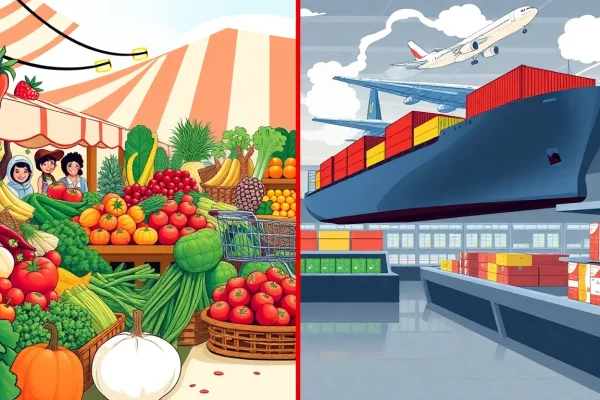
Seasonal Food vs Imported Food: A Comprehensive Comparison
Seasonal food is grown and consumed during its natural harvest period in a specific region, while imported food is transported from distant locations, often…
Search results
Guides, research and analysis matching your search.
51 resultsSeasonal food is grown and consumed during its natural harvest period in a specific region, while imported food is transported from distant locations, often…
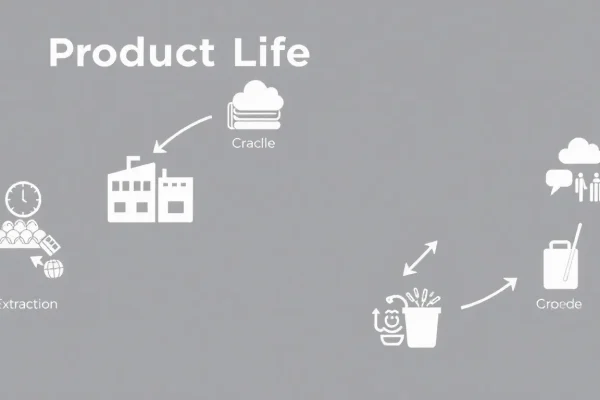
Cradle-to-gate and cradle-to-grave are two system boundaries used in life cycle assessment (LCA) to define the scope of environmental impact analysis. Cradle-to-gate covers from…
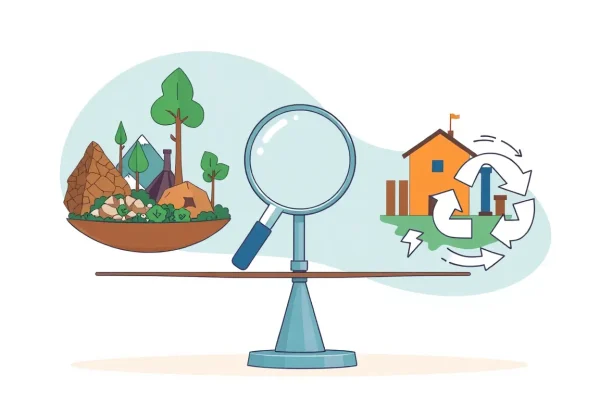
High-income countries have larger material footprints because their high levels of consumption, extensive infrastructure, and consumerist lifestyles require vast amounts of raw materials, often…
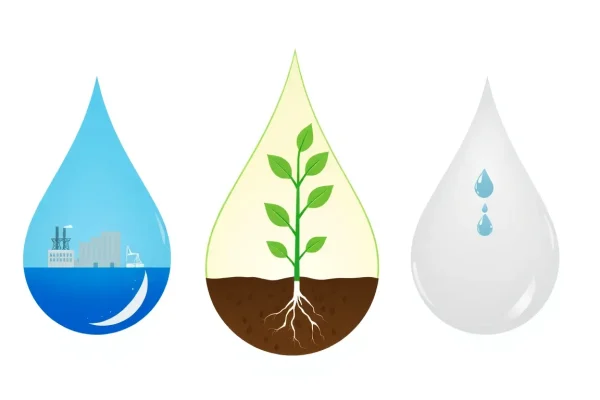
Blue water is fresh surface and groundwater consumed by human activities. Green water is precipitation stored in soil and used by plants. Grey water…
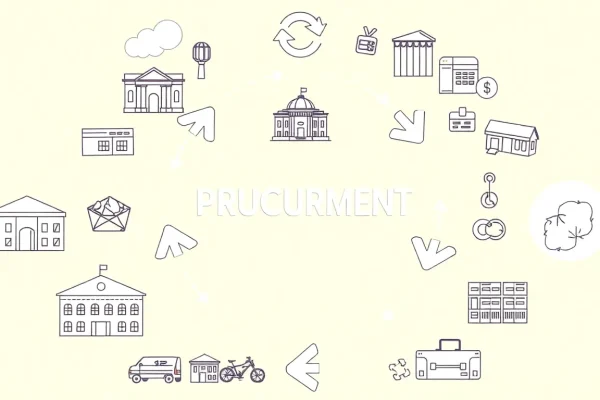
Circular procurement is a strategic approach where organizations purchase goods, services, or works that contribute to closed-loop material cycles, minimize waste, and maximize resource…
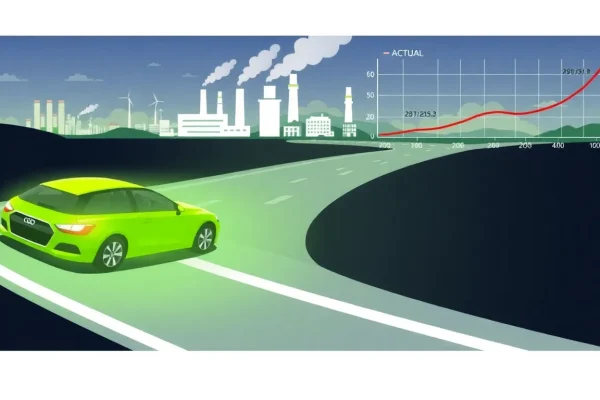
Efficiency improvements can paradoxically increase resource use due to the rebound effect. When a product or service becomes more efficient, its effective cost drops,…
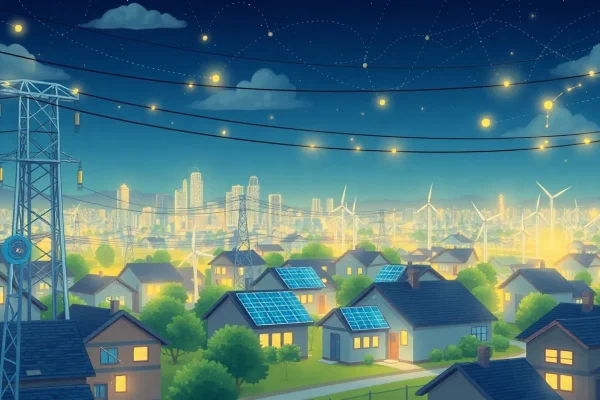
A smart grid is an electricity network enhanced with digital communication and automation to monitor, control, and optimize power flows. It enables two-way energy…
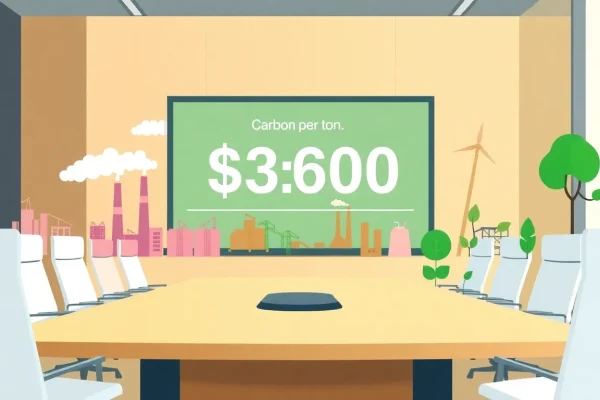
An internal carbon price is a monetary value that a company or organization voluntarily assigns to its greenhouse gas emissions to guide investment decisions,…
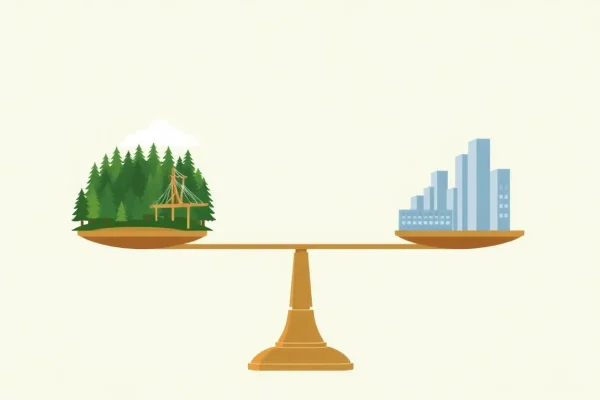
No Net Loss (NNL) is a policy principle aiming to balance biodiversity losses from development with equivalent gains, while Nature Positive is a global…
Resource productivity measures the efficiency with which an economy uses natural resources to generate economic output. It is typically expressed as the ratio of…