Novel Entities Explained: Chemicals, Plastics and Planetary Risk
Learn what novel entities are, why chemicals, plastics, PFAS, pesticides, and other synthetic substances are a planetary boundary, and how they threaten Earth's life-support…
Search results
Guides, research and analysis matching your search.
96 resultsLearn what novel entities are, why chemicals, plastics, PFAS, pesticides, and other synthetic substances are a planetary boundary, and how they threaten Earth's life-support…
Learn how human disruption of the nitrogen and phosphorus cycles affects climate, freshwater, biodiversity, food production, and Earth's planetary boundaries.
Learn how agriculture, deforestation, and land-use change affect climate, biodiversity, freshwater, and Earth's resilience through the land-system change planetary boundary.
Learn how freshwater change affects rivers, groundwater, soil moisture, climate, ecosystems, and why the global water cycle is a planetary boundary.
Learn why biodiversity and biosphere integrity are essential for Earth system stability, ecosystem resilience, climate regulation, and human well-being.
Learn what Earth system tipping points are, the strongest scientific evidence, major tipping elements, cascading risks, uncertainties, and why every fraction of warming matters.
Explore the status, scientific thresholds and interactions of the nine planetary boundaries defining Earth’s safe operating space.
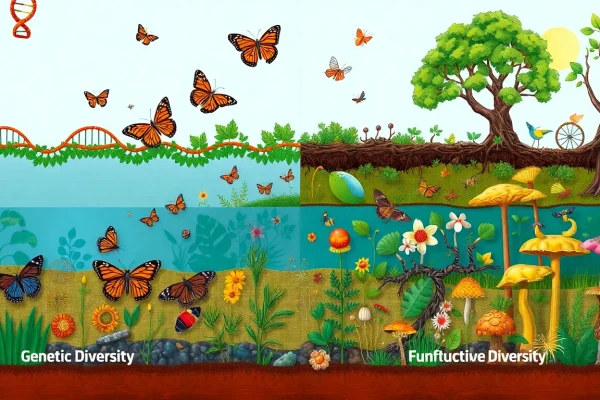
Genetic diversity is the variety of genes within a species, enabling adaptation, while functional diversity refers to the range of biological traits that influence…
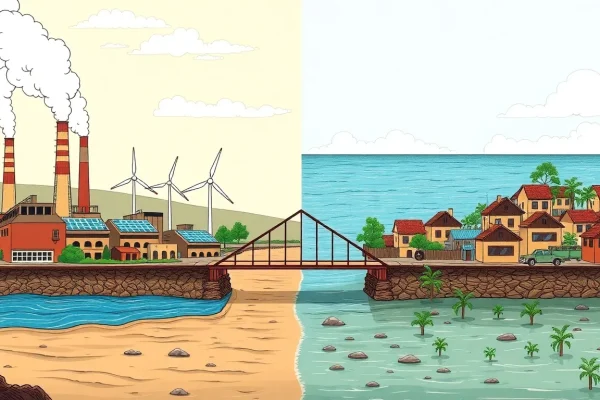
Climate mitigation and climate adaptation are two complementary strategies for addressing climate change. Mitigation focuses on reducing greenhouse gas emissions to slow global warming,…
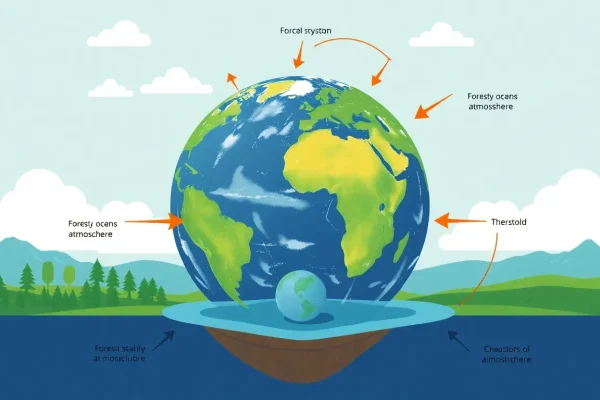
Earth system resilience is the capacity of the planet’s interconnected physical, chemical, and biological components to absorb disturbances and reorganize while maintaining essential functions…