What Is Rewilding and Does It Work?
Rewilding is a conservation strategy that aims to restore ecosystems by reintroducing native species and allowing natural processes to shape the landscape. It seeks…
Search results
Guides, research and analysis matching your search.
96 resultsRewilding is a conservation strategy that aims to restore ecosystems by reintroducing native species and allowing natural processes to shape the landscape. It seeks…
Biosphere integrity is the capacity of Earth’s living systems to maintain genetic diversity, functional diversity, and ecosystem resilience, keeping the planet in a stable,…
Ecosystem restoration can partially reverse biodiversity loss by reviving habitats and species populations, but it cannot fully restore original biodiversity or replace the need…
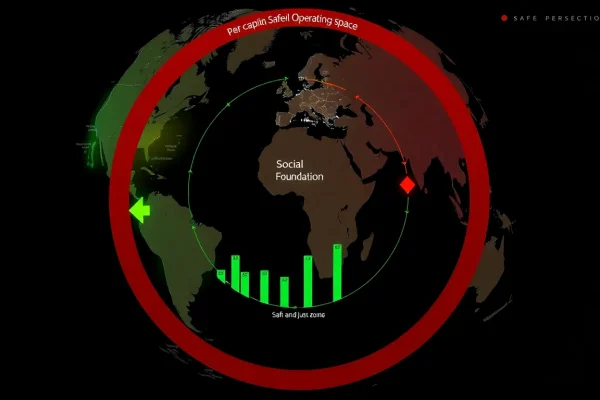
The Planetary Boundaries framework defines a safe operating space for humanity based on nine Earth-system processes, while Doughnut Economics combines an ecological ceiling derived…
Biodiversity loss undermines the ecosystem services that sustain human life, including food production, clean water, disease regulation, and climate stability. As species and habitats…
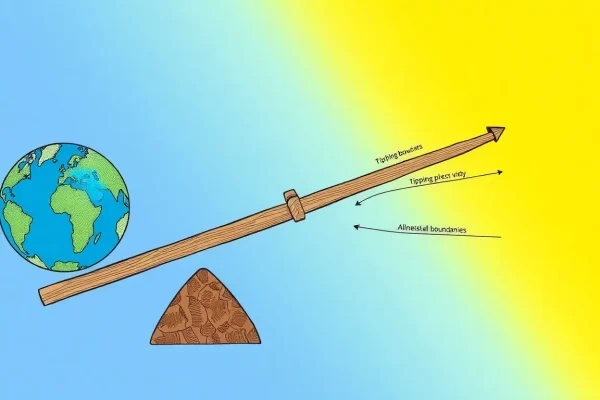
A tipping point is a critical threshold where a small change can trigger a large, often irreversible shift in a system, while a planetary…
As of the 2023 update by Richardson et al., six of the nine planetary boundaries have been transgressed: climate change, biosphere integrity (both genetic…
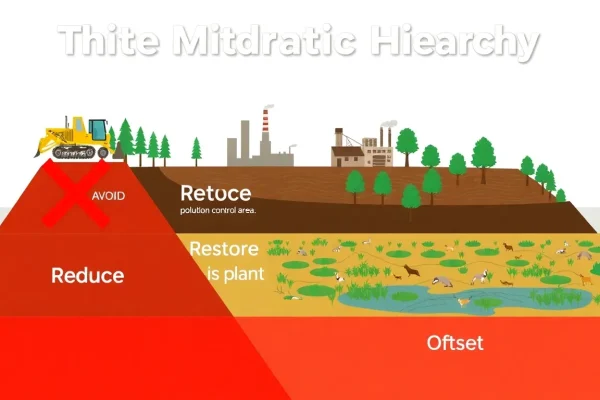
The mitigation hierarchy is a structured approach to managing the environmental impacts of development projects, prioritizing avoidance, then reduction, restoration, and finally offsetting. While…
The planetary boundaries framework defines a safe operating space for humanity, but it does not prescribe how resources should be shared among countries. The…
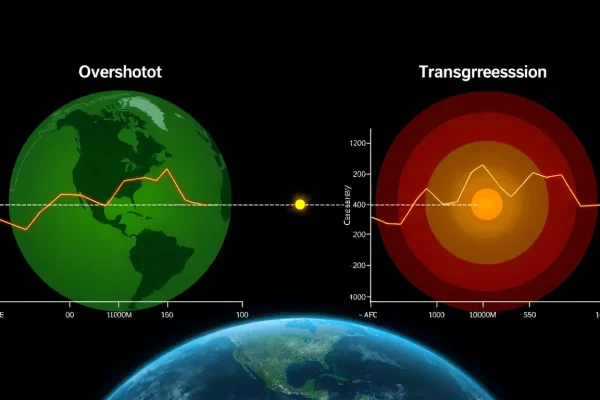
Overshoot refers to a temporary exceedance of a planetary boundary with the potential to return to the safe operating space, whereas transgression denotes a…