No Net Loss vs Nature Positive: Understanding the Concepts
No Net Loss (NNL) is a policy principle aiming to balance biodiversity losses from development with equivalent gains, while Nature Positive is a global…
Search results
Guides, research and analysis matching your search.
36 resultsNo Net Loss (NNL) is a policy principle aiming to balance biodiversity losses from development with equivalent gains, while Nature Positive is a global…
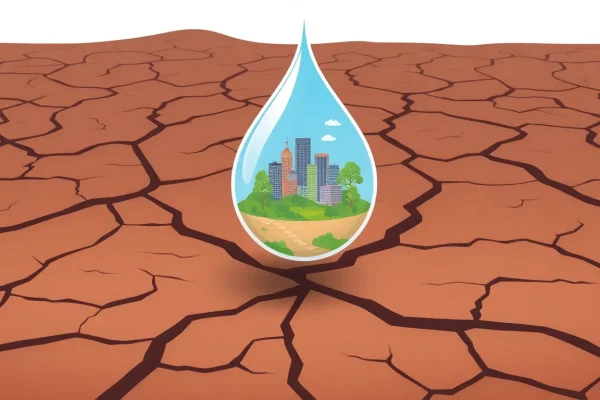
Water stress occurs when the demand for fresh water exceeds the available supply during a certain period or when poor quality restricts its use.…
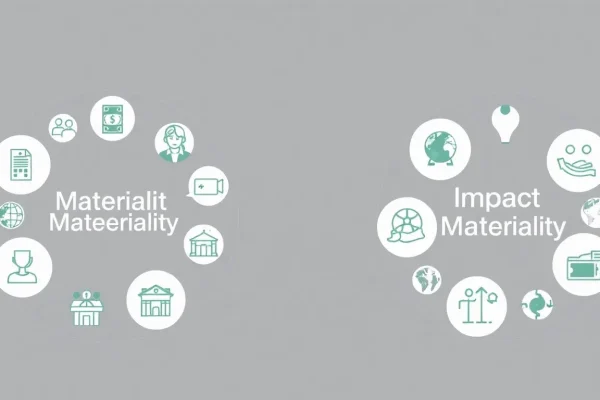
Financial materiality focuses on how sustainability issues affect a company’s financial performance, while impact materiality addresses the company’s effects on society and the environment.…
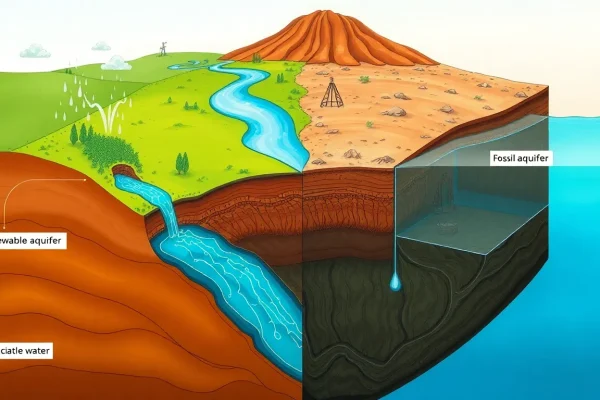
Renewable groundwater is replenished on a human timescale through precipitation and surface water infiltration, while non-renewable (fossil) groundwater was recharged thousands to millions of…
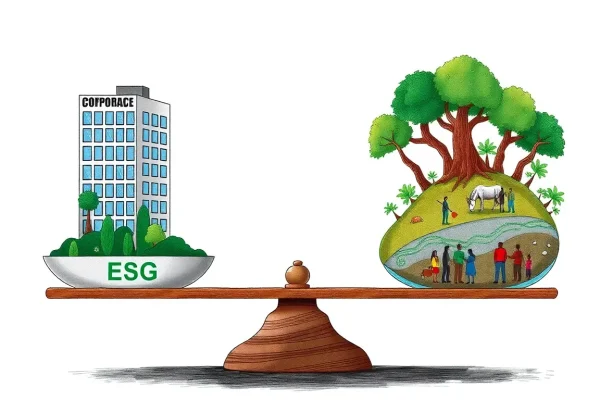
ESG (Environmental, Social, and Governance) refers to a set of criteria used by investors to evaluate a company’s operations and risk exposure, while sustainability…
Learn what Nature-Based Solutions are, how they support climate adaptation, biodiversity, and human well-being, and explore their evidence, limitations, and trade-offs.
Learn what novel entities are, why chemicals, plastics, PFAS, pesticides, and other synthetic substances are a planetary boundary, and how they threaten Earth's life-support…
Learn why biodiversity and biosphere integrity are essential for Earth system stability, ecosystem resilience, climate regulation, and human well-being.
Discover what the Anthropocene means, why humans became an Earth-system force, the Great Acceleration, scientific debate, and its implications for humanity.
Explore the status, scientific thresholds and interactions of the nine planetary boundaries defining Earth’s safe operating space.