Increasing CO₂ threatens human nutrition
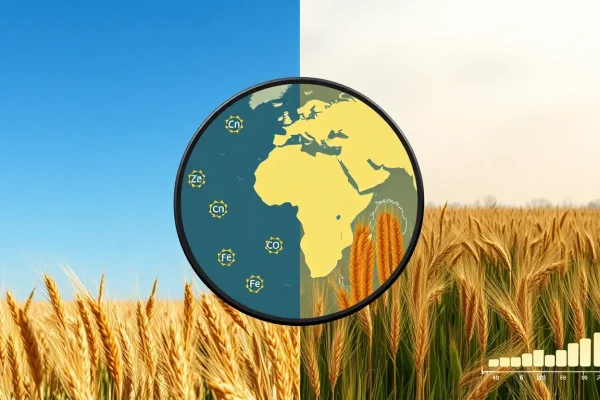
A 2014 study in Nature found that rising atmospheric CO₂ levels reduce the protein, iron, and zinc content of staple crops like wheat, rice,…
Search results
Guides, research and analysis matching your search.
206 resultsA 2014 study in Nature found that rising atmospheric CO₂ levels reduce the protein, iron, and zinc content of staple crops like wheat, rice,…
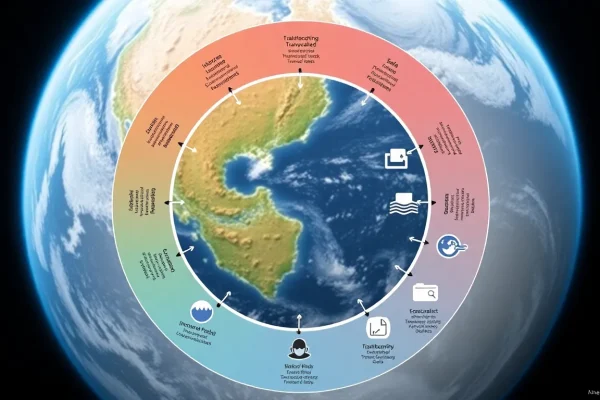
The planetary boundaries framework defines a safe operating space for humanity based on Earth-system processes, while the Sustainable Development Goals (SDGs) set global targets…
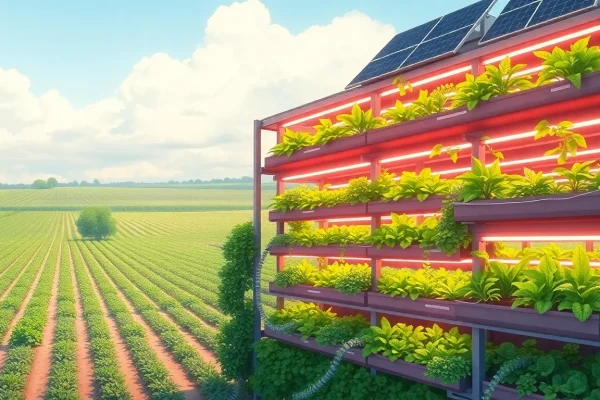
Vertical farming is the practice of growing crops in vertically stacked layers within controlled indoor environments, using technologies like hydroponics and LED lighting. It…
Exploring Humanity’s Future on a Finite Planet Welcome to TheHumanQuest.org, an independent educational publication dedicated to one of the defining questions of our time:…
The EAT-Lancet Commission's planetary health diet is a flexible, plant-forward eating pattern designed to feed 10 billion people sustainably by 2050. It emphasizes vegetables,…
Explore how humanity can prosper within Earth's ecological limits through planetary boundaries, resilience, innovation, justice, and sustainable development.
Learn how sustainable development can meet human needs while respecting planetary boundaries, balancing economic prosperity, social equity, and Earth-system resilience.
earn how climate change, biodiversity loss, pollution, and planetary boundaries affect human health, and explore solutions through planetary health and One Health approaches.
Explore environmental justice, climate justice, inequality, and why the impacts of planetary change are distributed unevenly across communities, generations, and nations.
Learn what the circular economy is, its core principles, scientific evidence, business opportunities, environmental benefits, and real-world limitations.