Circular Nutrient Management Explained
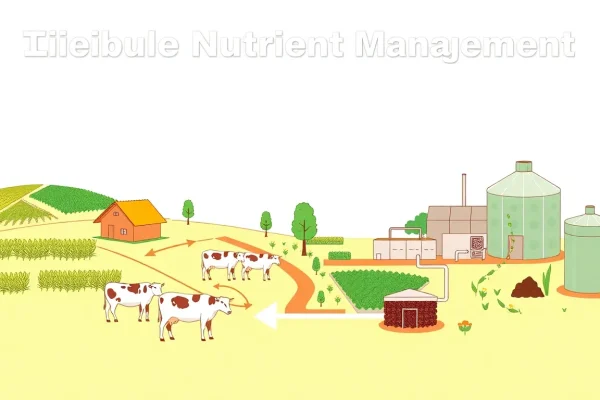
Circular nutrient management is a sustainable approach that recycles nutrients from organic waste back into agricultural production, reducing pollution and resource depletion. It closes…
Search results
Guides, research and analysis matching your search.
206 resultsCircular nutrient management is a sustainable approach that recycles nutrients from organic waste back into agricultural production, reducing pollution and resource depletion. It closes…
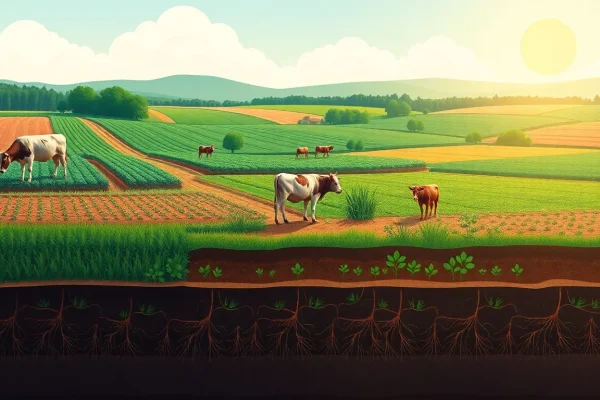
Regenerative agriculture is a holistic approach to farming and grazing that focuses on restoring soil health, increasing biodiversity, and enhancing ecosystem services. It goes…
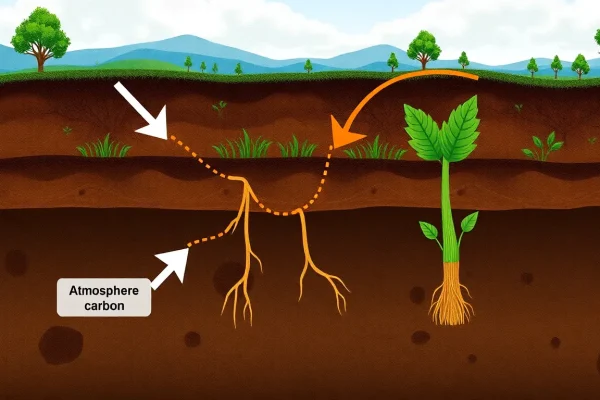
Soil organic carbon (SOC) is the carbon stored in soil organic matter, including decomposed plant and animal residues, microbial biomass, and humus. It is…
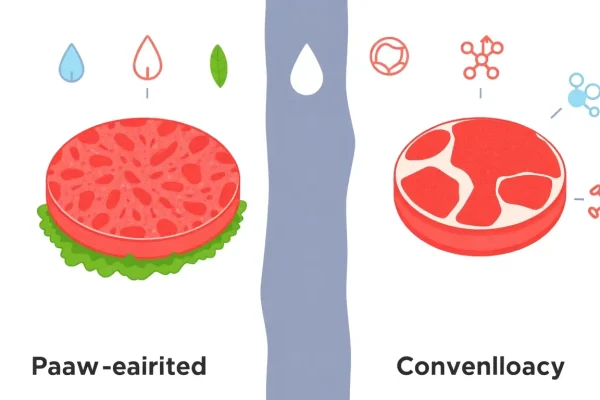
Plant-based meat is a food product made from plant proteins and other ingredients to mimic the taste, texture, and appearance of conventional animal meat.…
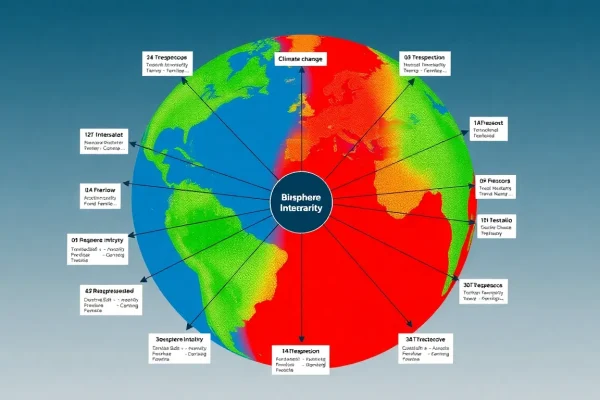
Planetary boundaries are not independent; they form a tightly coupled system. Climate change and biosphere integrity are the most central, mediating interactions among boundaries…
Low-probability, high-impact climate risks are potential climate events or tipping points with a small chance of occurring but catastrophic consequences if they do. Understanding…
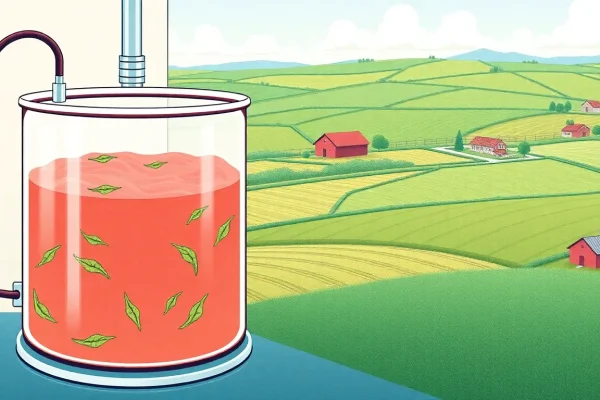
Lab-grown meat, also known as cultivated or cell-cultured meat, is produced by growing animal cells in a controlled environment without raising and slaughtering animals.…
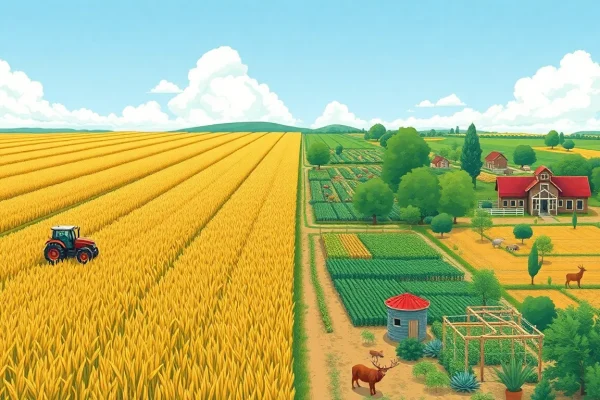
Monoculture is the agricultural practice of growing a single crop species on the same land repeatedly, while polyculture involves cultivating multiple crops together in…
Sufficiency in sustainability policy is a strategy that aims to reduce absolute resource consumption and demand to within ecological limits. It emphasizes 'enough' rather…
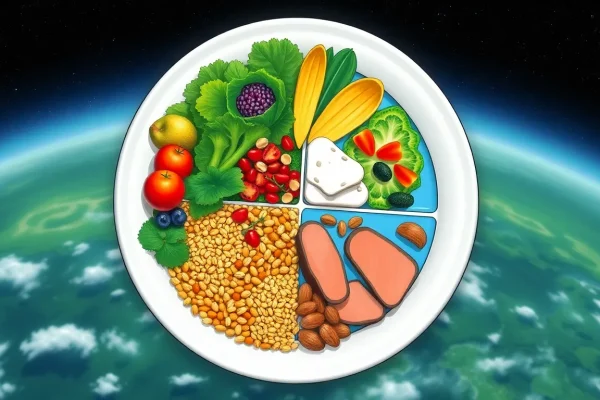
The EAT-Lancet Commission proposed a global reference diet that could feed 10 billion people by 2050 while preventing about 11 million premature deaths annually…