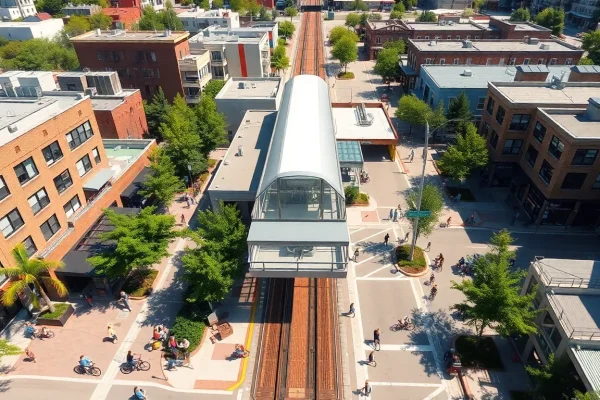
Transit-Oriented Development: A Comprehensive Analysis
Transit-Oriented Development (TOD) is a planning approach that creates compact, mixed-use communities around transit stations to reduce car dependency and promote sustainable urban growth.…
Search results
Guides, research and analysis matching your search.
239 resultsTransit-Oriented Development (TOD) is a planning approach that creates compact, mixed-use communities around transit stations to reduce car dependency and promote sustainable urban growth.…
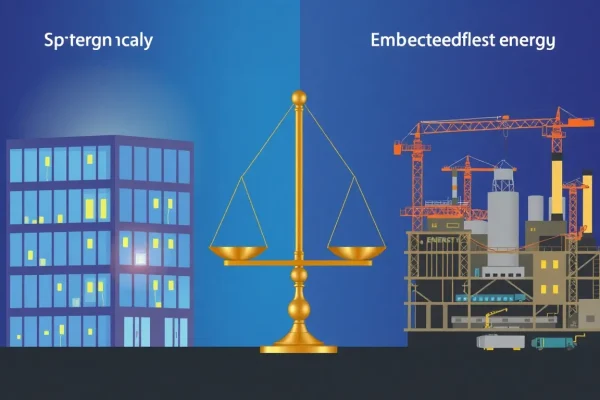
Buildings consume energy both during operation (heating, cooling, lighting) and through the materials and construction processes (embodied energy). While operational energy has long been…
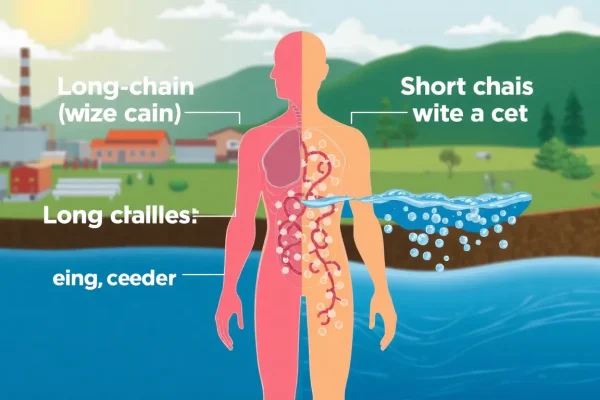
PFAS short-chain and long-chain compounds are distinguished by the length of their fluorinated carbon chain. Long-chain PFAS, such as PFOA and PFOS, have 8…
Freshwater change encompasses shifts in water availability, quality, timing, and distribution driven by climate change, land use, pollution, and other factors beyond direct human…
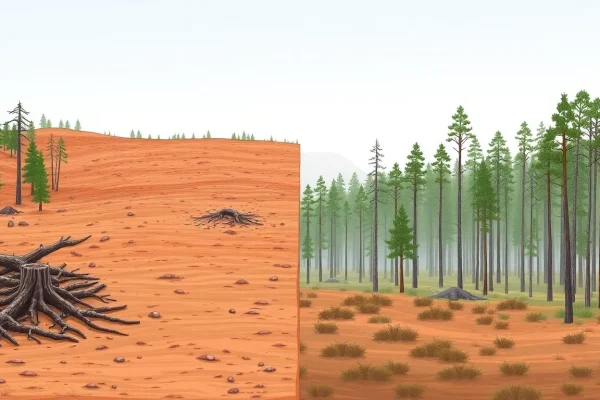
Deforestation is the permanent conversion of forest to non-forest land uses, while forest degradation is the reduction of a forest's quality and capacity to…
Desertification is the persistent degradation of dryland ecosystems by human activities and climatic variations, leading to the loss of biological productivity and the expansion…
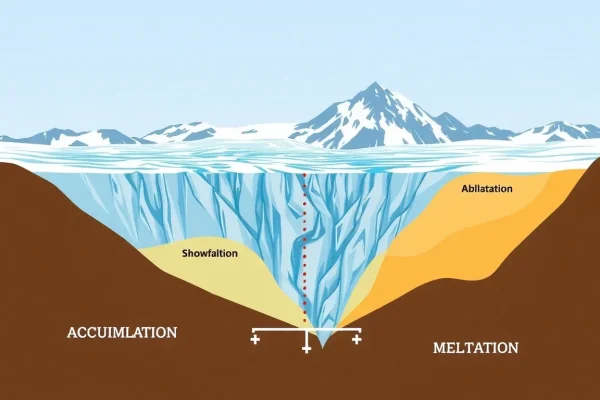
Glacier mass balance is the net gain or loss of ice on a glacier over a specific period, typically a year. It is the…
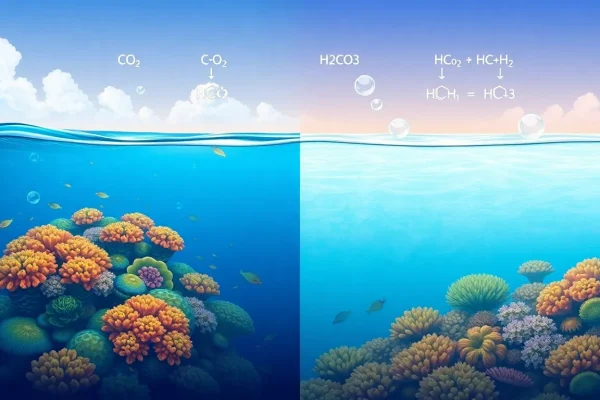
When carbon dioxide (CO₂) from the atmosphere dissolves in seawater, it triggers a series of chemical reactions that lower the ocean's pH, a process…
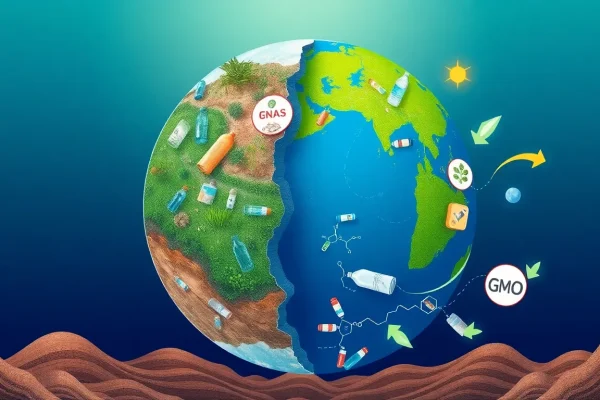
A novel entity is a new substance, a new form of an existing substance, or a modified life form introduced by human activities that…
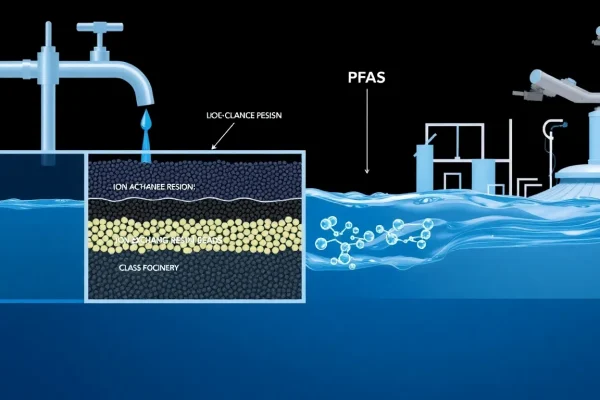
Yes, PFAS can be removed from drinking water using advanced treatment technologies such as granular activated carbon, ion exchange resins, and reverse osmosis. These…