Direct vs Indirect Land-Use Change: Understanding the Full Environmental Footprint
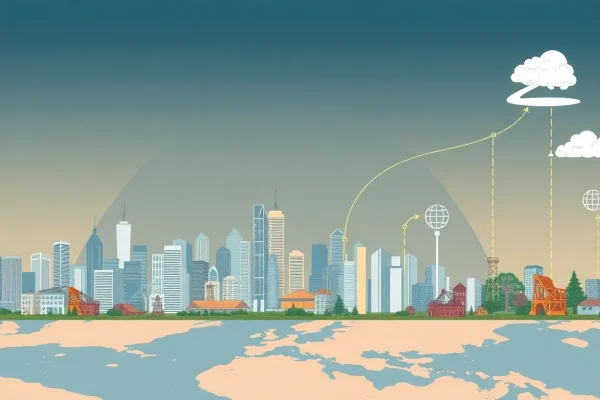
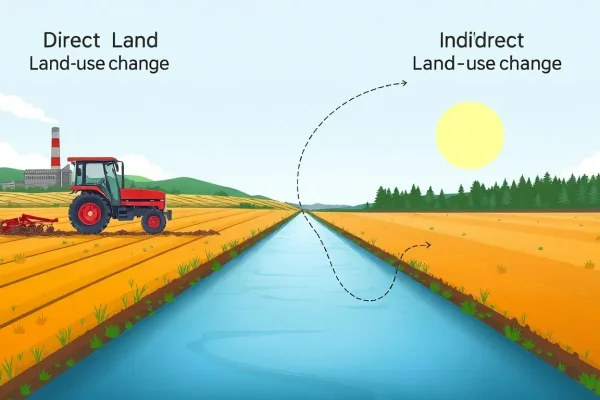
Direct land-use change occurs when land is converted for a new purpose, such as clearing forest for cropland. Indirect land-use change happens when that…
Search results
Guides, research and analysis matching your search.
160 resultsDirect land-use change occurs when land is converted for a new purpose, such as clearing forest for cropland. Indirect land-use change happens when that…
High-income countries have larger material footprints because their high levels of consumption, extensive infrastructure, and consumerist lifestyles require vast amounts of raw materials, often…
Energy efficiency uses technology to perform the same tasks with less energy, while energy conservation involves behavioral changes to reduce energy use. Both are…
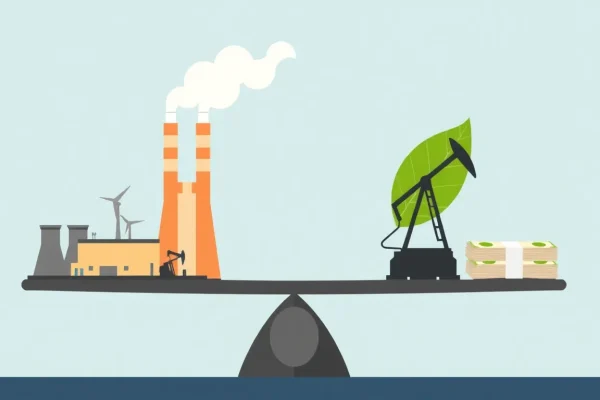
Fossil fuel subsidies are government actions that lower the cost of fossil fuel production or consumption, including direct payments, tax breaks, and price controls.…
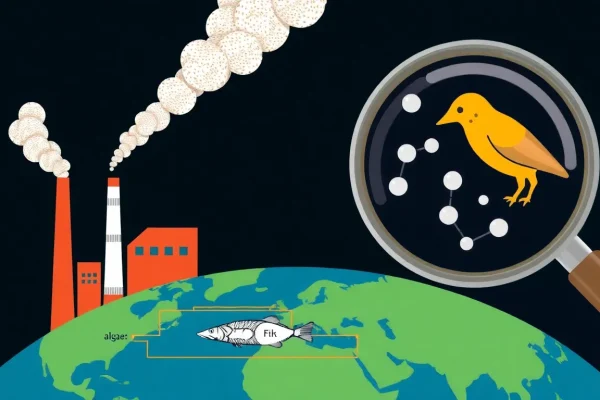
Persistent, Bioaccumulative and Toxic (PBT) chemicals are substances that resist degradation, accumulate in living organisms, and cause harmful effects. They pose long-term risks to…
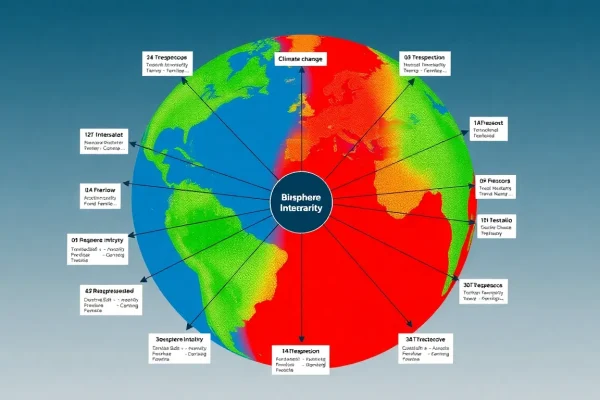
Planetary boundaries are not independent; they form a tightly coupled system. Climate change and biosphere integrity are the most central, mediating interactions among boundaries…
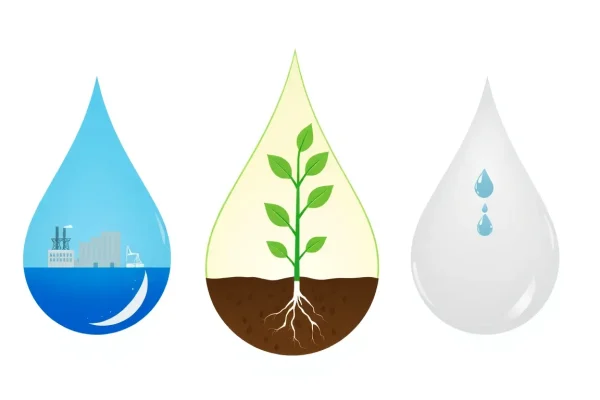
Blue water is fresh surface and groundwater consumed by human activities. Green water is precipitation stored in soil and used by plants. Grey water…
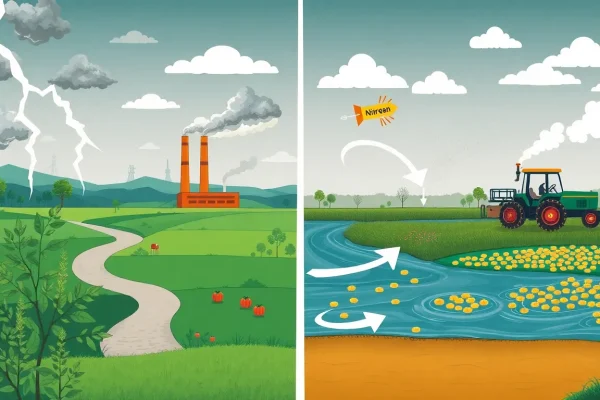
Human activities have dramatically altered the global nitrogen cycle, primarily through the industrial production of synthetic fertilizers, the combustion of fossil fuels, and the…
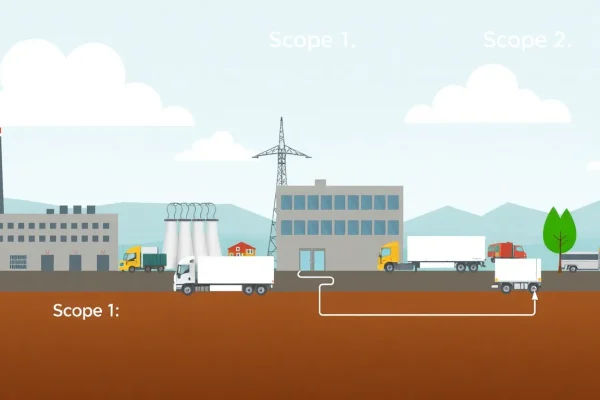
Scope 1, Scope 2, and Scope 3 emissions are categories defined by the Greenhouse Gas Protocol to classify a company's greenhouse gas emissions. Scope…
Circular procurement is a strategic approach where organizations purchase goods, services, or works that contribute to closed-loop material cycles, minimize waste, and maximize resource…