Lab-Grown Meat: Environmental Potential and Uncertainty
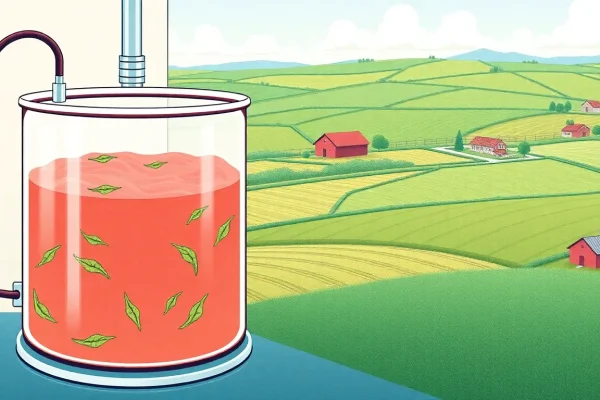
Lab-grown meat, also known as cultivated or cell-cultured meat, is produced by growing animal cells in a controlled environment without raising and slaughtering animals.…
Search results
Guides, research and analysis matching your search.
160 resultsLab-grown meat, also known as cultivated or cell-cultured meat, is produced by growing animal cells in a controlled environment without raising and slaughtering animals.…
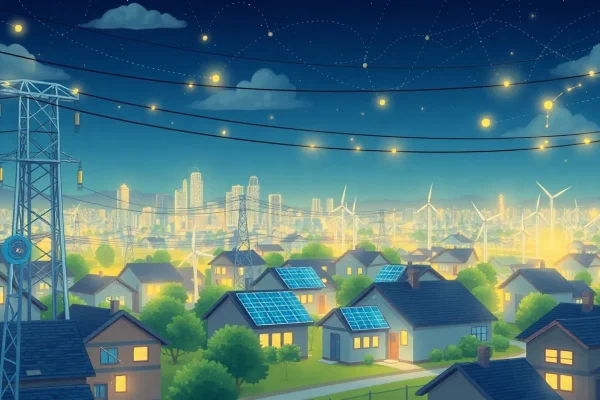
A smart grid is an electricity network enhanced with digital communication and automation to monitor, control, and optimize power flows. It enables two-way energy…
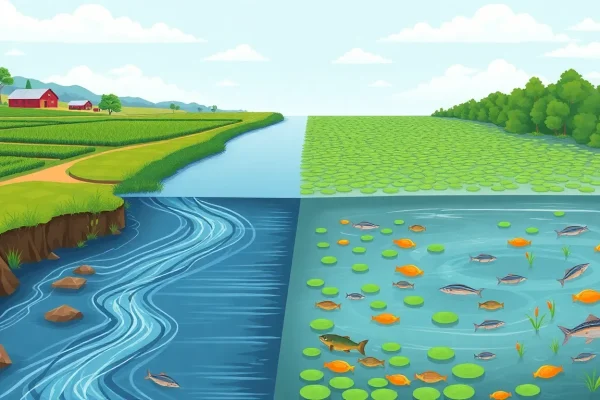
Nutrient loading is the introduction of excess nutrients, mainly nitrogen and phosphorus, into water bodies from human activities like agriculture and wastewater. It triggers…
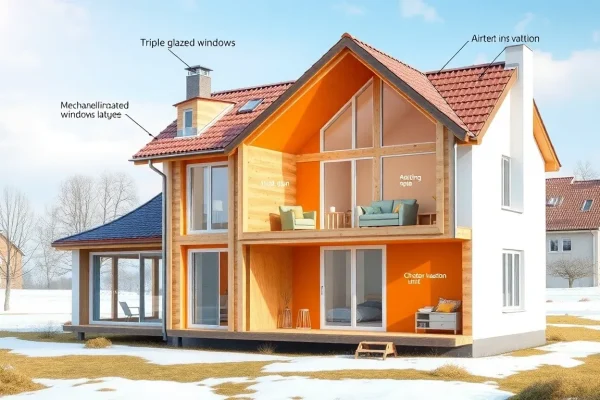
Passive House is a rigorous, voluntary building standard that drastically reduces energy consumption for heating and cooling through superinsulation, airtightness, high-performance windows, and heat-recovery…
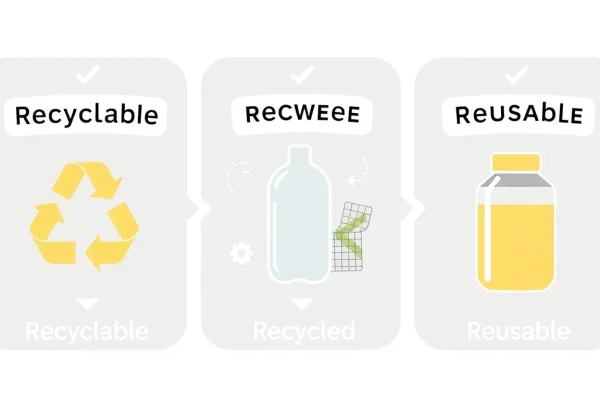
Recyclable, recycled, and reusable claims describe different environmental attributes of products and packaging. A recyclable item can be collected and reprocessed into new materials,…
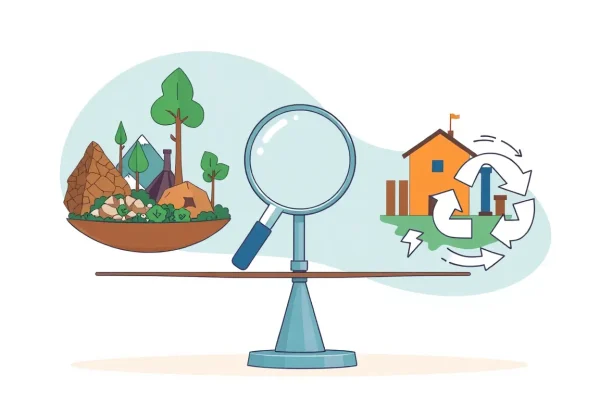
Resource productivity measures the efficiency with which an economy uses natural resources to generate economic output. It is typically expressed as the ratio of…
Recycling is a process of converting waste into new materials, while a circular economy is a systemic approach that aims to eliminate waste and…
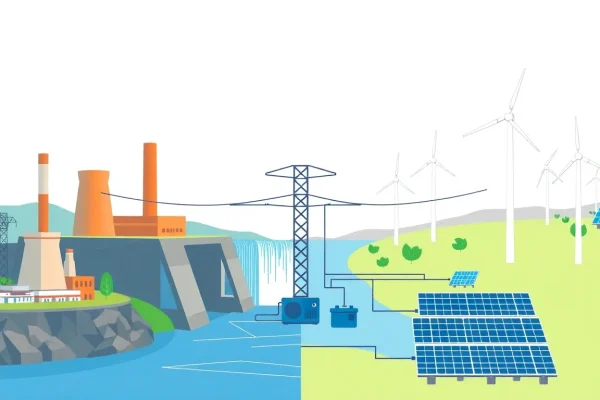
Firm power refers to electricity sources that can be dispatched on demand to guarantee supply, such as natural gas, nuclear, and reservoir hydropower. Variable…
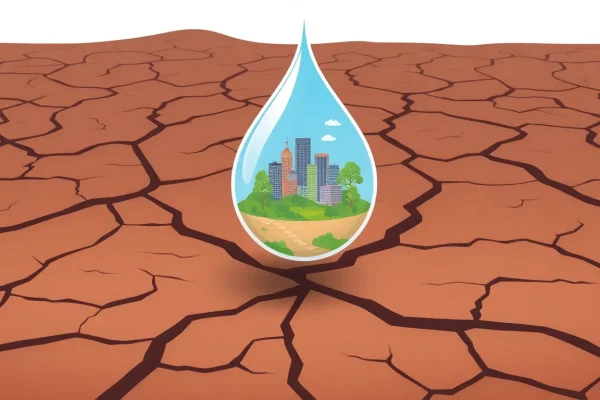
Water stress occurs when the demand for fresh water exceeds the available supply during a certain period or when poor quality restricts its use.…
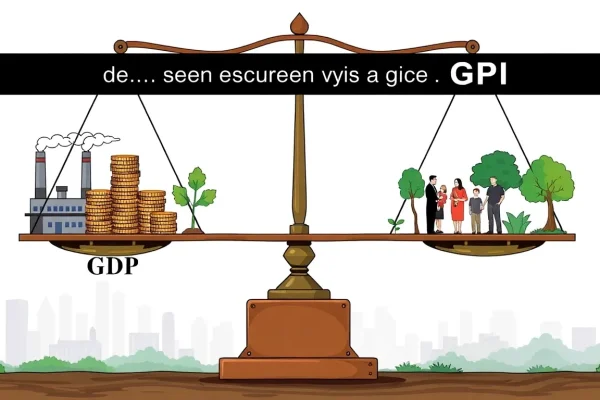
Gross Domestic Product (GDP) measures the total market value of goods and services produced, while the Genuine Progress Indicator (GPI) adjusts for factors like…