In brief
At a glance
Quick Facts
- Human nitrogen fixation rate
- Humans now fix more nitrogen from the atmosphere than all natural terrestrial processes combined.
- Haber-Bosch process
- The industrial synthesis of ammonia from nitrogen and hydrogen, invented in the early 20th century, is the primary source of synthetic fertilizer.
- Global fertilizer use
- Over 100 million tonnes of nitrogen fertilizer are applied to crops annually, but only about half is taken up by plants.
- Fossil fuel contribution
- Combustion of fossil fuels releases about 25–30 million tonnes of nitrogen oxides (NOₓ) into the atmosphere each year.
- Eutrophication
- Excess nitrogen runoff is a leading cause of coastal dead zones, with over 400 hypoxic areas documented worldwide.
- Nitrous oxide potency
- Nitrous oxide (N₂O) is a greenhouse gas approximately 300 times more potent than carbon dioxide over a 100-year period.
- Drinking water contamination
- Nitrate levels above 10 mg/L in drinking water can cause methemoglobinemia (blue baby syndrome) in infants.
- Legume cultivation
- Soybean, alfalfa, and other legume crops fix about 40 million tonnes of nitrogen annually, adding to the global reactive nitrogen pool.
Key Takeaways
- Human activities now fix more nitrogen from the atmosphere than all natural terrestrial processes combined, fundamentally altering the global nitrogen cycle.
- The primary drivers are the Haber-Bosch process for synthetic fertilizer production, widespread cultivation of nitrogen-fixing crops, and the burning of fossil fuels.
- Excess reactive nitrogen causes severe environmental problems, including water eutrophication, air pollution, soil acidification, and stratospheric ozone depletion.
- Addressing nitrogen pollution requires integrated strategies across agriculture, industry, and energy sectors to improve nitrogen use efficiency and reduce emissions.
What Is Why Humans Have Altered the Nitrogen Cycle?
“Why Humans Have Altered the Nitrogen Cycle” refers to the understanding of how and why human activities have significantly disrupted the natural nitrogen cycle, a fundamental biogeochemical process that regulates the movement of nitrogen through the atmosphere, land, and water. The nitrogen cycle is essential for life because nitrogen is a key component of proteins, DNA, and other biomolecules. In its natural state, the cycle is largely balanced, with nitrogen gas (N₂) in the atmosphere being converted into reactive forms (such as ammonia and nitrate) by lightning and specialized microorganisms, and then returned to the atmosphere by denitrifying bacteria. However, human interventions have massively increased the amount of reactive nitrogen in the environment, leading to a cascade of ecological and health impacts.
This topic falls under environmental science and sustainability. It examines the historical and ongoing human activities—such as the invention of the Haber-Bosch process for synthetic fertilizer, the expansion of legume cultivation, and the combustion of fossil fuels—that have doubled the global rate of nitrogen fixation. The alteration is not merely a scientific curiosity; it is a critical driver of global environmental change, affecting water quality, air quality, climate, and biodiversity. Understanding why and how humans have altered the nitrogen cycle is essential for developing policies and practices to mitigate its negative consequences while maintaining food production for a growing population.
How It Works
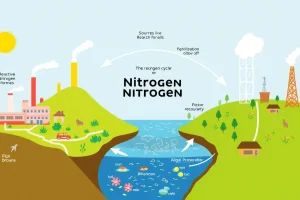
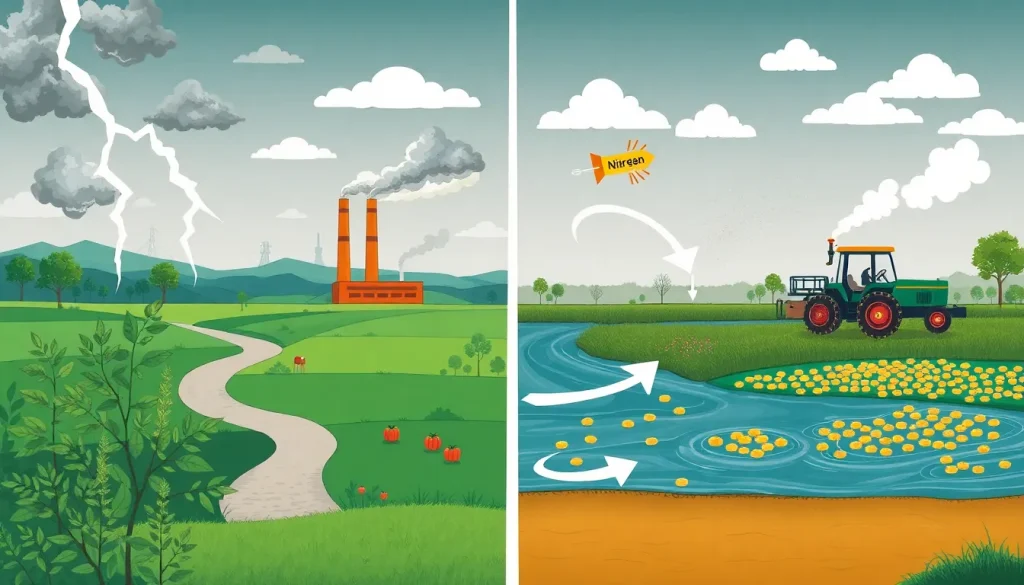
The natural nitrogen cycle involves several key processes that convert nitrogen between different chemical forms. Atmospheric nitrogen (N₂) is extremely stable and must be “fixed” into reactive forms like ammonia (NH₃) or nitrate (NO₃⁻) to be usable by most organisms. In nature, this fixation occurs through lightning strikes and by nitrogen-fixing bacteria found in soil and in the root nodules of legumes. Once fixed, nitrogen is taken up by plants, consumed by animals, and eventually returned to the soil through waste and decomposition. Denitrifying bacteria then convert reactive nitrogen back into N₂ gas, completing the cycle.
Humans have dramatically accelerated the fixation step. The Haber-Bosch process, developed in the early 20th century, allows industrial conversion of atmospheric nitrogen into ammonia for use in synthetic fertilizers. This process now produces over 100 million tonnes of ammonia annually, dwarfing natural terrestrial fixation. Additionally, the widespread cultivation of leguminous crops (such as soybeans and alfalfa) increases biological nitrogen fixation. Fossil fuel combustion in vehicles and power plants also releases nitrogen oxides (NOₓ) into the atmosphere, which eventually deposit onto land and water. These activities have broken the natural balance, causing a massive accumulation of reactive nitrogen in the environment.
Main Causes or Drivers
The dominant human-driven alteration of the nitrogen cycle stems from three main activities: industrial fertilizer production, agricultural expansion, and fossil fuel combustion. The Haber-Bosch process, which synthesizes ammonia from atmospheric nitrogen and hydrogen, is the single largest source of reactive nitrogen created by humans. It is estimated that synthetic fertilizers now support roughly half of the global food supply, but their overuse and inefficiency lead to large amounts of nitrogen escaping into the environment.
Agricultural practices also contribute through the cultivation of nitrogen-fixing crops like soybeans, peas, and alfalfa. While these plants naturally convert N₂ into reactive forms, their extensive monoculture farming increases the total nitrogen input far beyond natural levels. Furthermore, the burning of fossil fuels in power plants, industrial facilities, and vehicles releases nitrogen oxides (NOₓ) into the air. These compounds are not only air pollutants but also deposit onto land and water, adding to the nitrogen load. Together, these human activities have more than doubled the global rate of reactive nitrogen creation compared to pre-industrial times.
Environmental and Human Impacts
The surge in reactive nitrogen has far-reaching environmental consequences. In aquatic systems, excess nitrogen from agricultural runoff and atmospheric deposition causes eutrophication—an overgrowth of algae that depletes oxygen, creating “dead zones” where fish and other aquatic life cannot survive. Coastal areas worldwide experience harmful algal blooms and fish kills linked to nitrogen pollution. In terrestrial ecosystems, nitrogen deposition can lead to soil acidification, loss of plant biodiversity, and disruption of symbiotic relationships between plants and soil microbes.
Human health is also affected. Nitrate contamination of drinking water, primarily from fertilizer runoff, can cause methemoglobinemia (“blue baby syndrome”) in infants and has been linked to certain cancers. Airborne nitrogen compounds contribute to the formation of fine particulate matter and ground-level ozone, which exacerbate respiratory illnesses like asthma. Additionally, nitrous oxide (N₂O), a potent greenhouse gas released from fertilized soils and industrial processes, contributes to climate change and stratospheric ozone depletion. These impacts illustrate how altering the nitrogen cycle creates a cascade of interconnected environmental and health problems.
Connections to Other Systems
The nitrogen cycle is tightly linked to other biogeochemical cycles and global environmental issues. Excess nitrogen in ecosystems can intensify the greenhouse effect: nitrous oxide is about 300 times more potent than carbon dioxide at trapping heat, and nitrogen deposition can alter carbon storage in forests and soils. Nitrogen pollution also interacts with the phosphorus cycle, as both nutrients often co-limit plant growth; when nitrogen runs off into water bodies, it can trigger algal blooms that are otherwise phosphorus-limited.
Furthermore, the nitrogen cycle is connected to the ozone layer. Nitrous oxide that reaches the stratosphere is broken down into nitrogen oxides, which catalyze ozone destruction. This makes agriculture a significant source of ozone-depleting substances. The alteration of the nitrogen cycle also affects biodiversity through multiple pathways: direct toxicity, habitat eutrophication, and acidification. These connections mean that managing nitrogen is not just a local or regional issue but a global challenge that intersects with climate change, biodiversity loss, and air and water quality.
Solutions
Addressing the human alteration of the nitrogen cycle requires a multi-pronged approach. In agriculture, improving nitrogen use efficiency—applying the right amount of fertilizer at the right time and in the right form—can significantly reduce losses to the environment. Precision farming technologies, such as soil sensors and variable-rate application, help farmers optimize fertilizer use. Additionally, promoting crop rotations, cover cropping, and organic farming practices can enhance soil health and reduce the need for synthetic nitrogen.
In the energy and transportation sectors, transitioning to cleaner fuels and installing emission control technologies (like catalytic converters and scrubbers) can lower NOₓ emissions. Restoring wetlands and riparian buffers helps filter nitrogen from runoff before it reaches waterways. On a policy level, regulations that cap nitrogen emissions, incentivize sustainable farming, and set water quality standards are essential. International cooperation is also needed, as nitrogen pollution crosses borders through air and water. A combination of technological innovation, policy measures, and behavioral changes can help bring the nitrogen cycle closer to a sustainable balance.
What Individuals Can Do
Individual actions can contribute to reducing nitrogen pollution. Dietary choices play a significant role: reducing consumption of meat and dairy, which require large amounts of nitrogen-intensive feed crops, can lower the overall nitrogen footprint. Choosing locally grown, organic, or sustainably produced foods also helps, as these often involve less synthetic fertilizer use. Reducing food waste is another impactful step, as wasted food represents unnecessary nitrogen inputs throughout the supply chain.
At home, using energy-efficient appliances and reducing car travel can cut NOₓ emissions from fossil fuel combustion. Properly maintaining septic systems and minimizing the use of nitrogen-based lawn fertilizers prevent excess nitrogen from entering waterways. Supporting policies and companies that prioritize nitrogen management and sustainable practices amplifies individual efforts. While systemic change is essential, collective individual actions can drive demand for more sustainable products and practices, contributing to a healthier nitrogen cycle.
FAQ
What is the nitrogen cycle?
The nitrogen cycle is the natural process by which nitrogen moves between the atmosphere, soil, water, and living organisms. It involves nitrogen fixation, nitrification, assimilation, ammonification, and denitrification, maintaining a balance of reactive nitrogen in the environment.
How do humans alter the nitrogen cycle?
Humans alter the nitrogen cycle mainly through the production and use of synthetic fertilizers, the cultivation of nitrogen-fixing crops, and the burning of fossil fuels. These activities greatly increase the amount of reactive nitrogen in the environment, disrupting natural balances.
Why does altering the nitrogen cycle matter?
Altering the nitrogen cycle matters because excess reactive nitrogen causes water pollution, air pollution, soil acidification, biodiversity loss, and contributes to climate change and ozone depletion. It also poses direct health risks through contaminated drinking water and poor air quality.
References
- Galloway, J. N., et al. (2004). Nitrogen cycles: past, present, and future. Biogeochemistry, 70(2), 153-226.
- Erisman, J. W., et al. (2013). Consequences of human modification of the global nitrogen cycle. Philosophical Transactions of the Royal Society B, 368(1621), 20130116.
- United Nations Environment Programme (UNEP). (2019). Frontiers 2018/19: Emerging Issues of Environmental Concern. Chapter on nitrogen pollution.