What Is Tire-Wear Pollution?
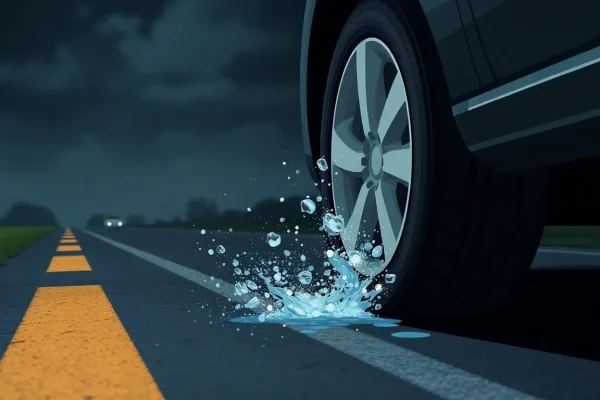
Tire-wear pollution is the release of tiny particles from vehicle tires as they abrade against road surfaces. These particles, composed of synthetic rubber and…
Search results
Guides, research and analysis matching your search.
206 resultsTire-wear pollution is the release of tiny particles from vehicle tires as they abrade against road surfaces. These particles, composed of synthetic rubber and…
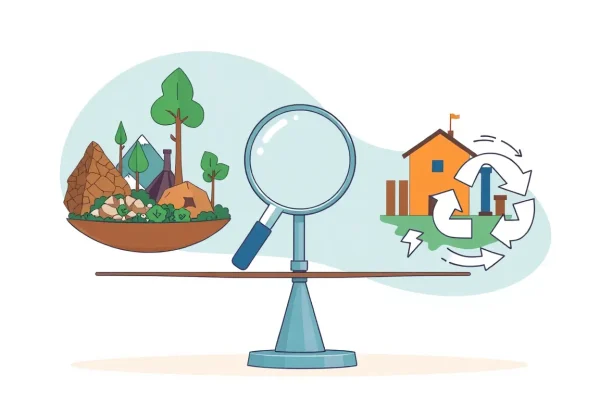
Resource productivity measures the efficiency with which an economy uses natural resources to generate economic output. It is typically expressed as the ratio of…
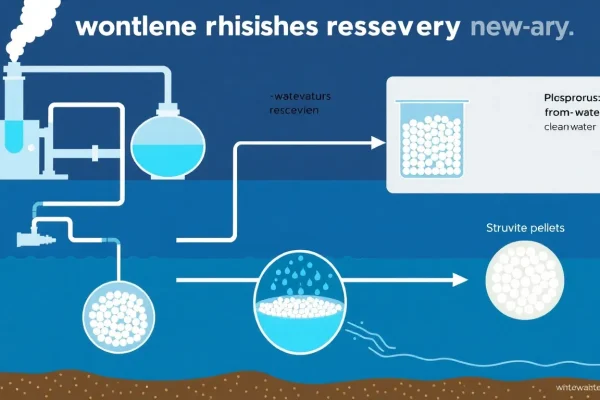
Phosphorus can be recovered from wastewater using technologies like chemical precipitation and biological uptake, turning a pollutant into a valuable fertilizer. This process helps…
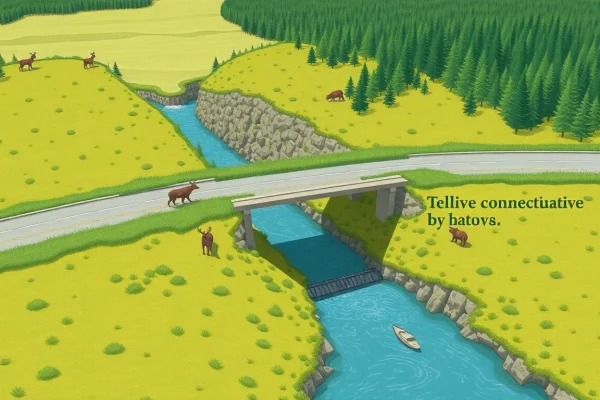
Ecosystem connectivity is the degree to which landscapes and seascapes allow organisms to move and ecological processes to flow freely. It is essential for…
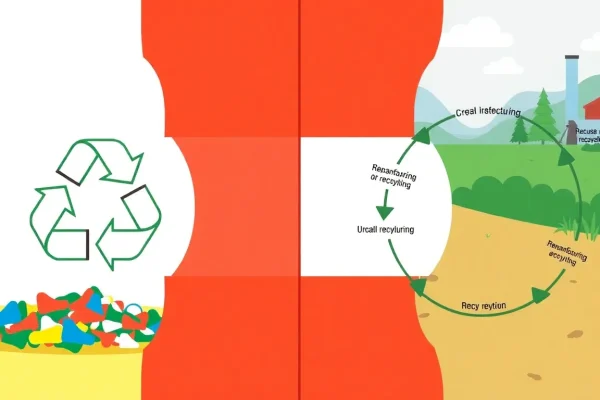
Recycling is a process of converting waste into new materials, while a circular economy is a systemic approach that aims to eliminate waste and…
Light pollution is the excessive or misdirected artificial light that disrupts natural darkness, affecting wildlife behavior, plant cycles, and entire ecosystems. It matters because…
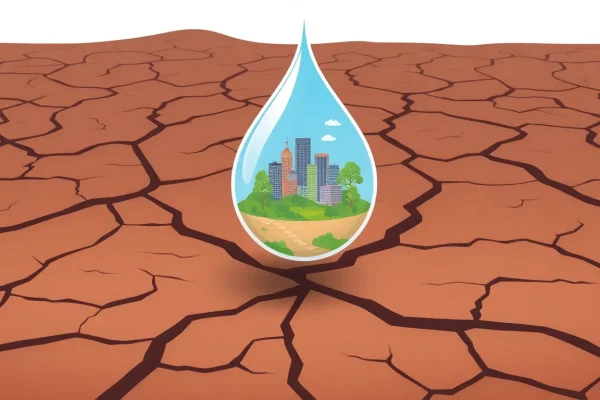
Water stress occurs when the demand for fresh water exceeds the available supply during a certain period or when poor quality restricts its use.…
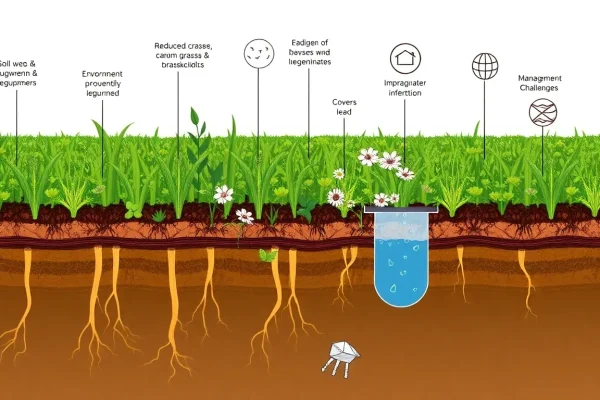
Cover crops are plants grown primarily to protect and improve soil between cash crop cycles. They offer environmental benefits such as erosion control, nutrient…
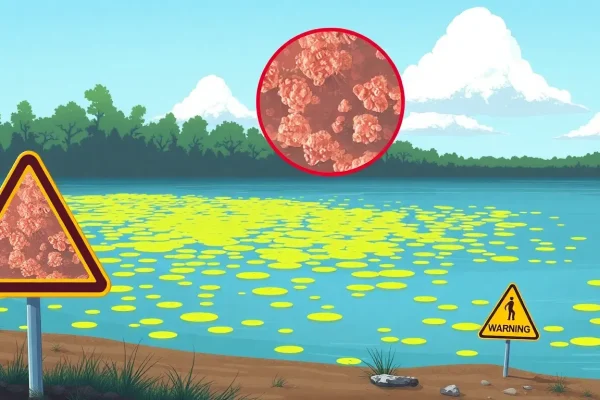
Some algal blooms produce toxins as a defense mechanism against grazers or as byproducts of metabolic processes. These toxins, known as cyanotoxins or phycotoxins,…
Pharmaceutical pollution in rivers refers to the presence of active pharmaceutical ingredients and their metabolites in freshwater systems, primarily from human and veterinary use.…