Can Global Temperature Fall After Overshooting 1.5°C?
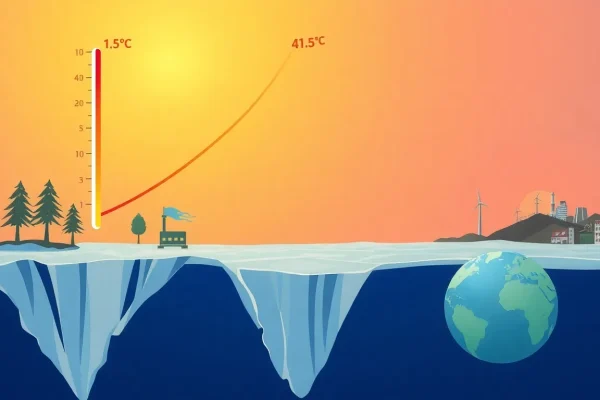
Global temperature can decline after overshooting 1.5°C if net-negative emissions are achieved, but this requires large-scale carbon dioxide removal and comes with irreversible impacts.…
Search results
Guides, research and analysis matching your search.
206 resultsGlobal temperature can decline after overshooting 1.5°C if net-negative emissions are achieved, but this requires large-scale carbon dioxide removal and comes with irreversible impacts.…
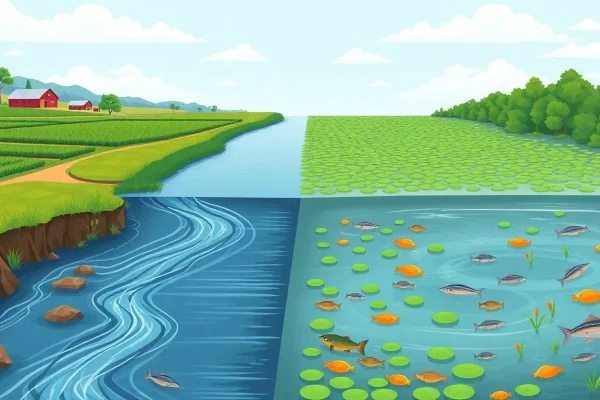
Nutrient loading is the introduction of excess nutrients, mainly nitrogen and phosphorus, into water bodies from human activities like agriculture and wastewater. It triggers…
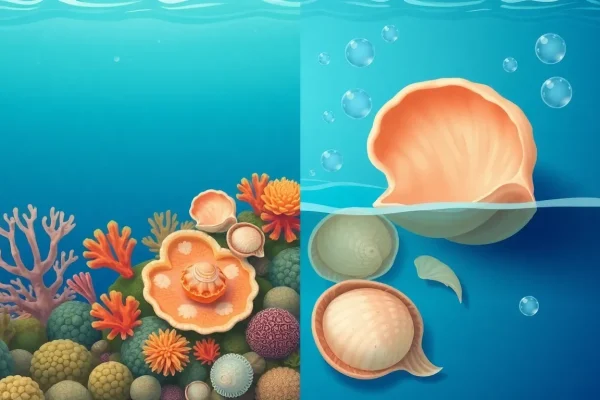
Ocean acidification, driven by increased atmospheric CO2, reduces carbonate ion availability, making it harder for shell-building organisms like corals and mollusks to form and…
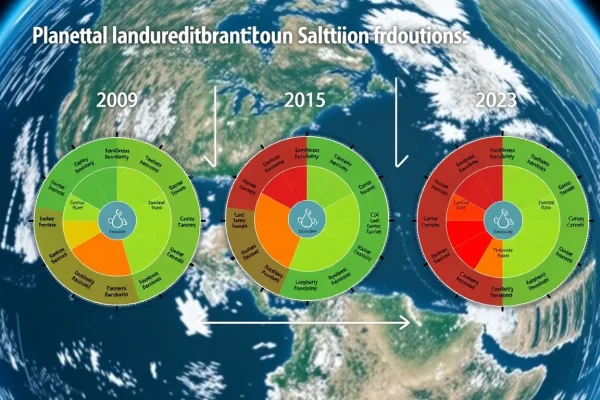
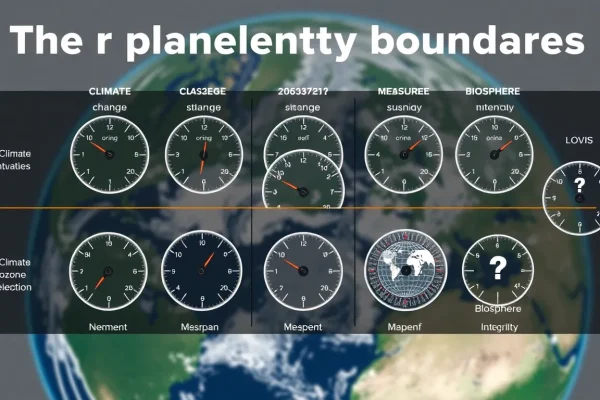
The planetary boundaries framework is periodically revised to incorporate new scientific data, improved models, and a deeper understanding of Earth-system processes. These updates refine…
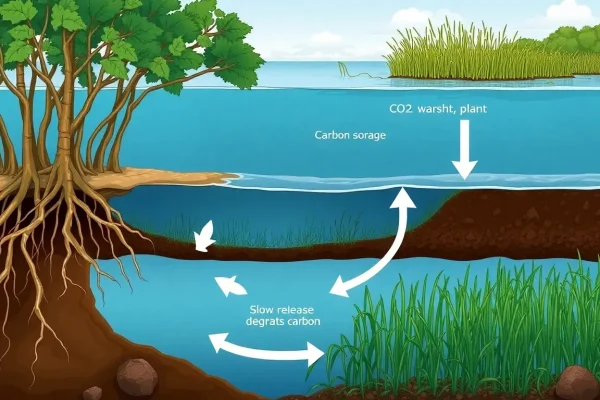
Blue carbon refers to carbon captured and stored in coastal and marine ecosystems, primarily mangroves, salt marshes, and seagrasses. These habitats sequester carbon at…
The planetary boundaries framework identifies nine Earth-system processes critical for maintaining a safe operating space for humanity. The ease of measuring these boundaries varies…
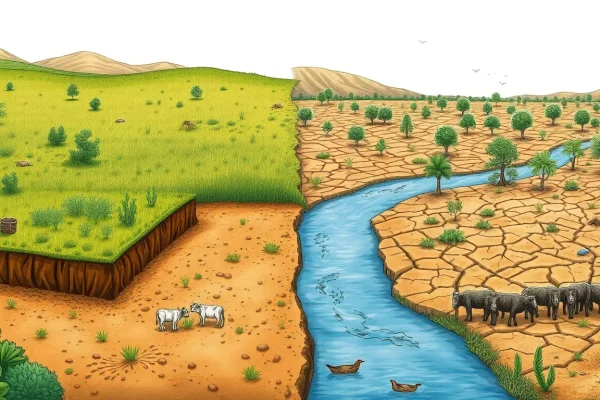
Land degradation is the decline in the quality and productivity of land, while desertification is a specific type of land degradation that occurs in…
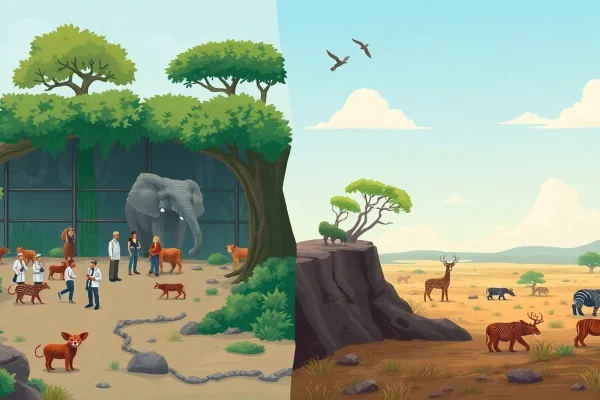
Captive breeding is a conservation strategy where endangered species are bred in controlled environments like zoos or breeding centers to boost population numbers. While…
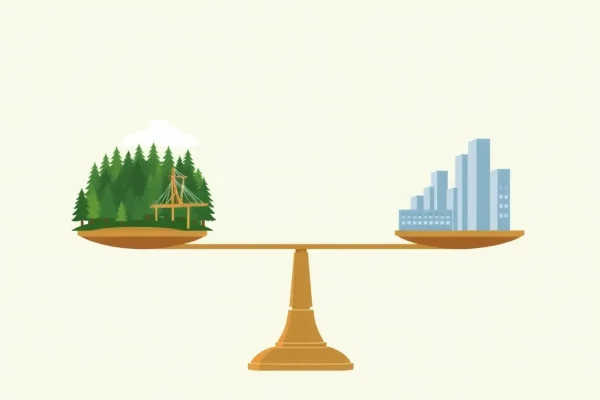
No Net Loss (NNL) is a policy principle aiming to balance biodiversity losses from development with equivalent gains, while Nature Positive is a global…
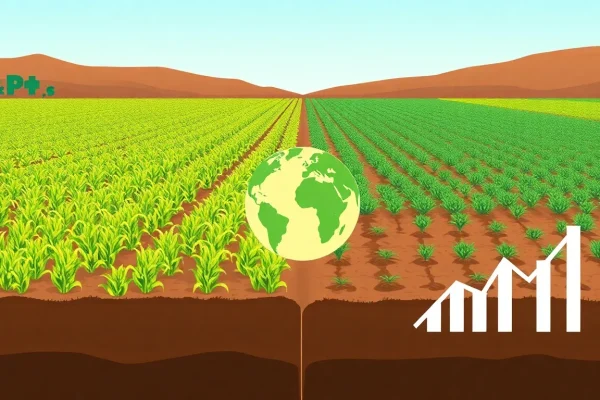
The agricultural yield gap is the difference between the potential yield of a crop under ideal conditions and the actual yield achieved by farmers.…