How Microplastics Move Through Food Webs
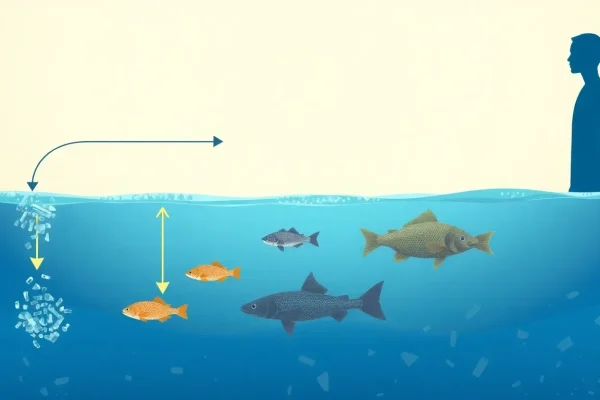
Microplastics, tiny plastic particles less than 5 millimeters in size, enter food webs when they are ingested by organisms at the base of the…
Search results
Guides, research and analysis matching your search.
206 resultsMicroplastics, tiny plastic particles less than 5 millimeters in size, enter food webs when they are ingested by organisms at the base of the…
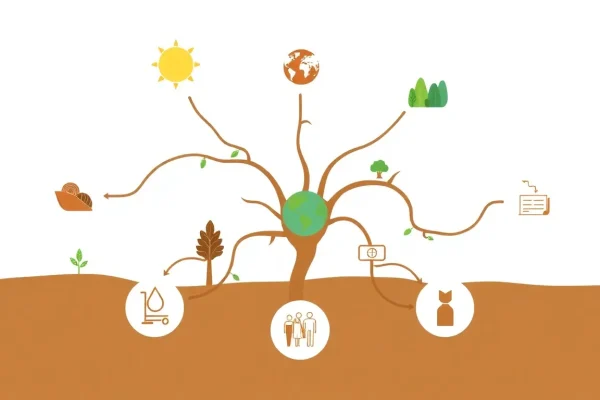
Environmental problems are systems problems because they arise from complex interactions between natural and human systems, characterized by feedback loops, non-linear dynamics, and interconnected…
Learn how systems thinking helps solve sustainability challenges by understanding feedback loops, complexity, resilience, leverage points, and interconnected Earth systems.
Learn why biodiversity and biosphere integrity are essential for Earth system stability, ecosystem resilience, climate regulation, and human well-being.
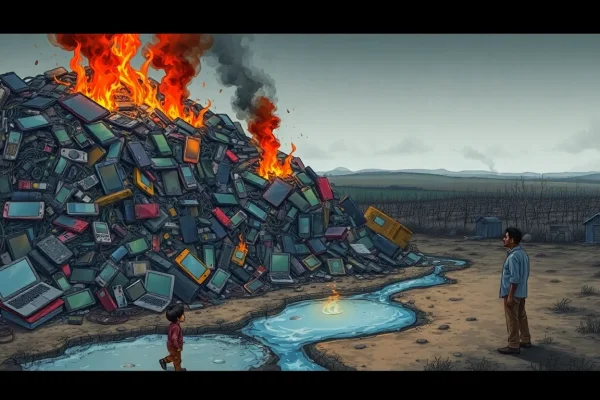
Electronic waste, or e-waste, contains hazardous substances such as lead, mercury, and flame retardants that, when improperly disposed of or informally recycled, contaminate air,…
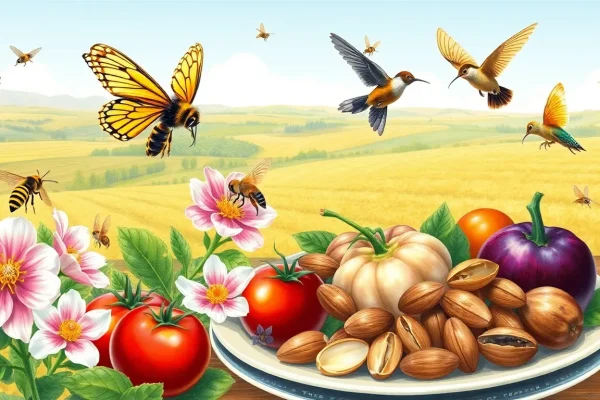
Pollinators, including bees, butterflies, birds, and bats, are essential for the reproduction of many flowering plants, including a significant portion of global food crops.…
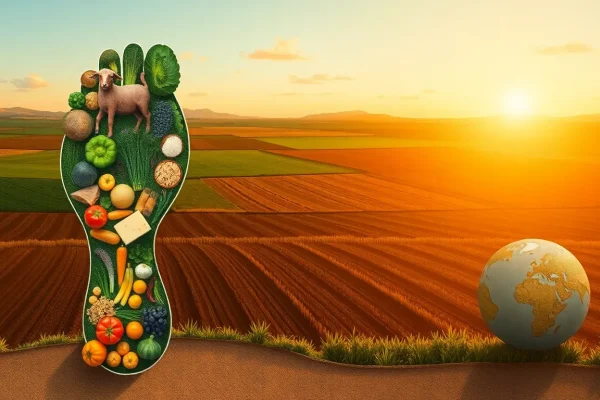
Animal-based foods, particularly beef and lamb, have the largest environmental footprints in terms of greenhouse gas emissions, land use, and water consumption. Plant-based foods…
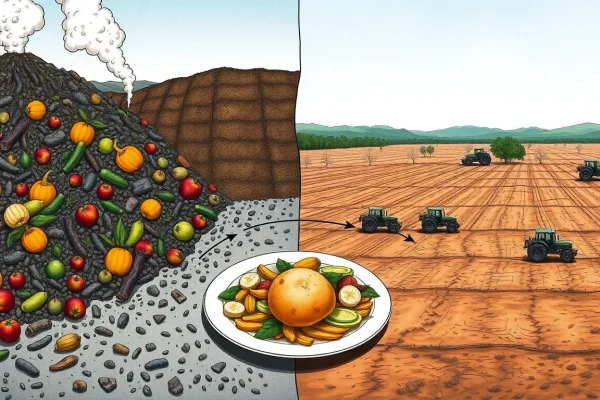
Food waste is the discarding of edible food throughout the supply chain and by consumers. When food is wasted, all the resources used to…
Food production is the single largest driver of environmental change, pushing multiple planetary boundaries beyond safe limits. It contributes to climate change, biodiversity loss,…
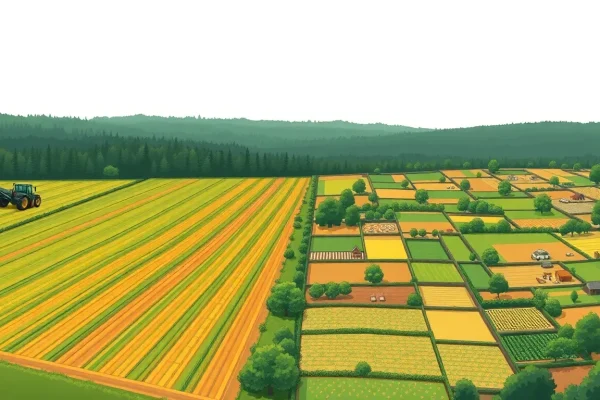
Land sparing and land sharing are two contrasting strategies for balancing agricultural production with biodiversity conservation. Land sparing involves intensifying farming on existing land…