In brief
At a glance
Quick Facts
- Fastest-growing waste stream
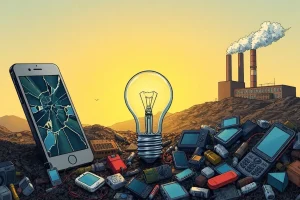
- E-waste is the fastest-growing solid waste stream globally, driven by rapid technological turnover and short device lifespans.
- Hazardous components
- Common e-waste toxins include lead, mercury, cadmium, brominated flame retardants, and polyvinyl chloride (PVC).
- Informal recycling practices
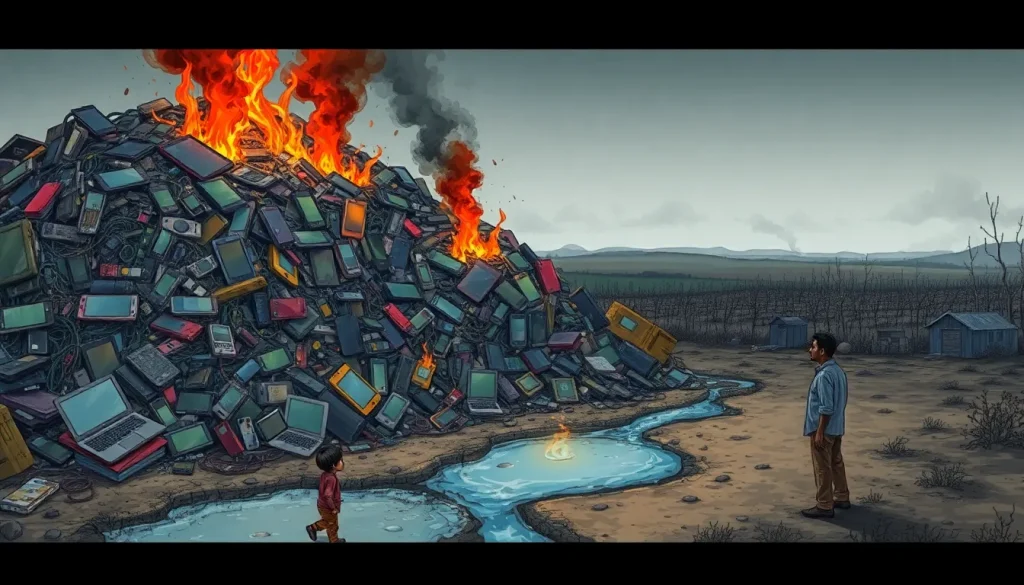
- Open burning of wires to recover copper and acid leaching to extract gold are widespread in informal recycling, releasing toxic fumes and chemicals.
- Health impacts on children
- Children exposed to e-waste toxins are at risk of neurological damage, reduced IQ, attention deficits, and developmental delays.
- Global trade
- A significant portion of e-waste from developed countries is exported to developing nations, often illegally, under the guise of used goods.
- Valuable materials
- E-waste contains precious metals like gold, silver, and palladium; one metric ton of circuit boards can yield more gold than one metric ton of ore.
- Basel Convention
- The Basel Convention regulates the transboundary movement of hazardous wastes, including e-waste, but enforcement gaps remain.
- Soil and water contamination
- Heavy metals from e-waste can persist in soil for decades and leach into groundwater, affecting agriculture and drinking water supplies.
Key Takeaways
- E-waste contains hazardous substances like lead, mercury, and brominated flame retardants that can leach into the environment and enter the food chain.
- Informal recycling practices, such as open burning and acid stripping, release toxic fumes and contaminate soil and water, posing severe health risks to workers and nearby communities.
- Vulnerable populations, including children and pregnant women, are disproportionately affected by e-waste exposure, leading to neurological damage, respiratory illnesses, and other chronic conditions.
- Proper e-waste management through formal recycling, policy interventions, and consumer awareness can significantly reduce these harms and recover valuable materials.
What Is How E-Waste Affects People and Ecosystems?
How e-waste affects people and ecosystems refers to the wide-ranging negative consequences that discarded electronic devices have on human health and the natural environment. E-waste encompasses any electronic or electrical equipment that has been disposed of, including computers, smartphones, televisions, refrigerators, and other household appliances. When these items are not properly recycled, their toxic components—such as heavy metals, flame retardants, and other hazardous chemicals—can be released into the air, water, and soil, causing contamination that harms both people and wildlife.
This topic sits at the intersection of environmental science, public health, and waste management. It examines how the global surge in electronic consumption, combined with short product lifespans and inadequate disposal infrastructure, creates a cycle of pollution and disease. The effects are not limited to the point of disposal; they ripple through ecosystems, accumulate in food chains, and disproportionately impact low-income communities and developing nations where much of the world’s e-waste is informally processed. Understanding these impacts is critical for developing effective policies and individual actions to mitigate harm.
Main Causes or Drivers
The primary driver of e-waste’s harmful effects is the sheer volume of discarded electronics, fueled by rapid technological advancement and consumer demand for newer devices. Planned obsolescence—where products are designed with limited lifespans or quickly become outdated—encourages frequent replacement. Additionally, a lack of accessible repair options and proprietary components push consumers toward disposal rather than repair. The global trade in e-waste exacerbates the problem, as developed nations often export their electronic discards to developing countries with weaker environmental regulations, where informal and hazardous recycling methods prevail.
Another key factor is the inadequate infrastructure for formal e-waste collection and recycling. In many regions, consumers lack convenient drop-off points or awareness of proper disposal channels, leading to e-waste ending up in landfills or being incinerated. Even in countries with advanced recycling systems, a significant portion of e-waste is not captured, and some is illegally exported. The economic incentives for informal recycling—where valuable metals like gold and copper are extracted using dangerous techniques—further drive the cycle of harm.
Environmental and Human Impacts
E-waste contains a cocktail of hazardous substances that pose direct threats to both ecosystems and human health. Heavy metals such as lead, cadmium, and mercury can leach into soil and groundwater from landfills, contaminating drinking water sources and agricultural land. When e-waste is incinerated or openly burned to recover metals, it releases toxic fumes including dioxins, furans, and polycyclic aromatic hydrocarbons, which contribute to air pollution and can travel long distances, affecting communities far from the disposal site.
Human exposure occurs through inhalation of toxic fumes, ingestion of contaminated food and water, and dermal contact. Workers in informal recycling operations—often including children—are at particularly high risk. Health effects include neurological damage from lead and mercury, kidney and bone damage from cadmium, respiratory illnesses from particulate matter and toxic gases, and increased cancer risks from exposure to persistent organic pollutants. Ecosystems suffer as well: soil contamination reduces fertility and harms microorganisms, while aquatic life is poisoned by heavy metals that bioaccumulate in the food chain, affecting fish, birds, and mammals.
What the Evidence Shows
Numerous studies have documented the severe health and environmental consequences of improper e-waste handling. Research conducted in major informal recycling hubs, such as Guiyu in China and Agbogbloshie in Ghana, has found elevated levels of lead, cadmium, and other toxins in the blood and urine of local residents, including children. These populations exhibit higher rates of respiratory problems, skin diseases, and neurodevelopmental issues compared to control groups. Soil and water samples from these areas consistently show contamination levels far exceeding international safety standards.
Epidemiological evidence links e-waste exposure to adverse birth outcomes, including low birth weight and preterm delivery, as well as impaired cognitive development in children. Animal studies have demonstrated that e-waste-derived pollutants can disrupt endocrine systems and cause reproductive harm. The scientific consensus is clear: informal e-waste recycling without protective measures creates a public health crisis and long-term environmental degradation. Formal recycling, by contrast, dramatically reduces these risks when conducted under controlled conditions.
Regional Differences
The impacts of e-waste are not evenly distributed across the globe. High-income countries generate the most e-waste per capita but often export a significant portion to low- and middle-income countries, where regulations are lax and labor is cheap. This shifts the environmental and health burden to regions least equipped to handle it. In West Africa, for example, the Agbogbloshie site in Ghana has become a notorious destination for used electronics from Europe and North America, resulting in severe contamination and health crises for the local population.
In contrast, regions with robust formal recycling systems, such as the European Union under the WEEE Directive, have managed to capture a larger share of e-waste for safe processing. However, even within these regions, illegal exports and improper disposal persist. Asia, particularly China and India, has historically been a major recipient of e-waste, though stricter import bans in recent years have shifted flows to Southeast Asia. These regional dynamics highlight the need for global cooperation and stronger enforcement of international agreements like the Basel Convention to prevent the dumping of hazardous waste on vulnerable nations.
Solutions
Addressing the harmful effects of e-waste requires a multi-pronged approach involving technological, regulatory, and behavioral changes. Formal e-waste recycling facilities equipped with proper safety measures can recover valuable materials while containing toxins. Extended Producer Responsibility (EPR) policies make manufacturers accountable for the entire lifecycle of their products, incentivizing design for durability, repairability, and easier recycling. International treaties, such as the Basel Convention, aim to control the transboundary movement of hazardous wastes, though enforcement remains a challenge.
Technological innovations also offer promise. Urban mining—the process of reclaiming metals from e-waste—can reduce the need for virgin mining and its associated environmental damage. Advances in automated sorting and safe chemical extraction methods are making formal recycling more efficient. Public awareness campaigns and convenient collection systems can increase e-waste capture rates. Ultimately, a shift toward a circular economy, where products are designed to be reused, repaired, and recycled, is essential to minimize waste generation at the source.
What Individuals Can Do
Individuals play a crucial role in reducing e-waste’s harmful effects. The most effective action is to extend the life of electronic devices through proper maintenance, repair, and upgrading rather than replacing them. When devices are no longer usable, they should be taken to certified e-waste recyclers or manufacturer take-back programs, ensuring they are processed safely. Donating functional electronics to charities or refurbishers can also keep them out of the waste stream.
Consumers can support companies that prioritize sustainable design and offer repair services. Advocating for right-to-repair legislation helps ensure that devices can be fixed by independent shops, reducing premature disposal. Finally, being mindful of consumption—buying only what is needed and choosing products with longer warranties and modular designs—can significantly lower the overall e-waste burden. Small individual actions, when multiplied across millions of people, can drive systemic change.
FAQ
What is e-waste?
E-waste, or electronic waste, refers to discarded electrical or electronic devices such as computers, smartphones, televisions, and household appliances. It is one of the fastest-growing waste streams globally.
How does e-waste affect human health?
E-waste contains toxic substances like lead, mercury, and flame retardants. When improperly handled, these can cause neurological damage, respiratory illnesses, kidney disease, and cancer, especially among workers and children in informal recycling areas.
Why does e-waste matter for ecosystems?
E-waste contaminates soil, water, and air with hazardous chemicals. These pollutants harm wildlife, reduce soil fertility, and bioaccumulate in food chains, disrupting entire ecosystems and threatening biodiversity.
References
- United Nations Environment Programme (UNEP). "Waste Electrical and Electronic Equipment (WEEE)." UNEP, www.unep.org.
- World Health Organization (WHO). "Children's Environmental Health: Electronic Waste." WHO, www.who.int.
- Basel Convention on the Control of Transboundary Movements of Hazardous Wastes and Their Disposal. Secretariat of the Basel Convention, www.basel.int.