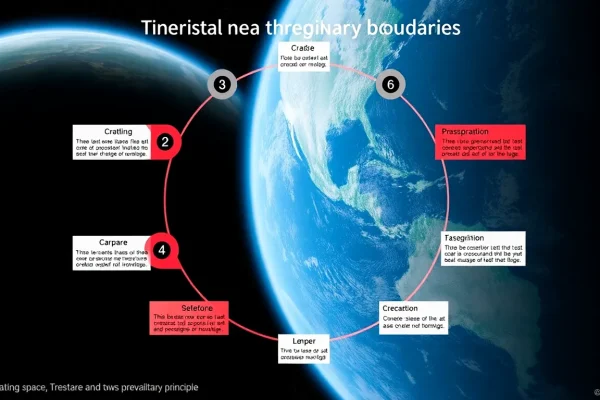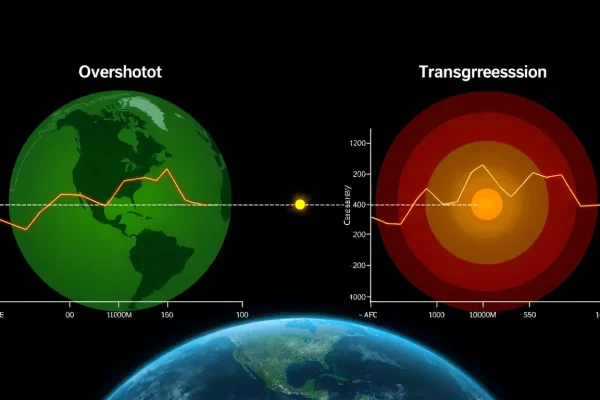
How Overshoot Differs From Planetary Boundary Transgression
Overshoot refers to a temporary exceedance of a planetary boundary with the potential to return to the safe operating space, whereas transgression denotes a…
Search results
Guides, research and analysis matching your search.
206 resultsOvershoot refers to a temporary exceedance of a planetary boundary with the potential to return to the safe operating space, whereas transgression denotes a…
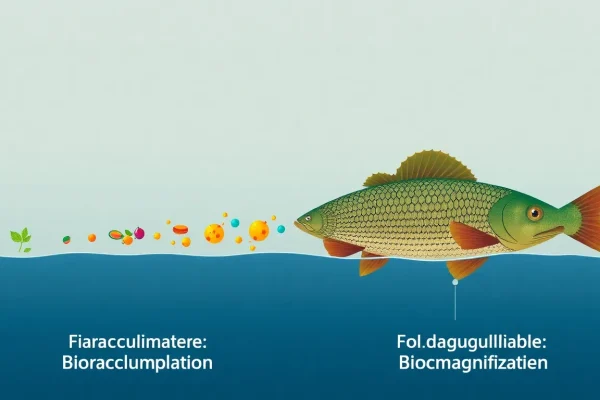
Bioaccumulation is the gradual buildup of substances, such as toxic chemicals, in an individual organism over time. Biomagnification is the increasing concentration of those…
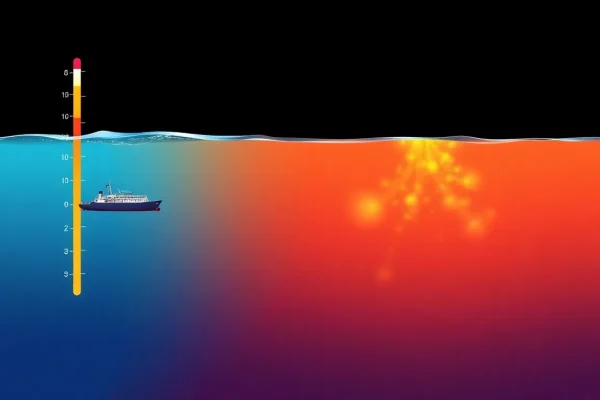
Ocean heat content (OHC) measures the total thermal energy stored in the ocean, while sea-surface temperature (SST) is the temperature of the ocean's surface…
Primary microplastics are tiny plastic particles intentionally manufactured or directly released from products. Tires and synthetic textiles are major sources, shedding particles during use…
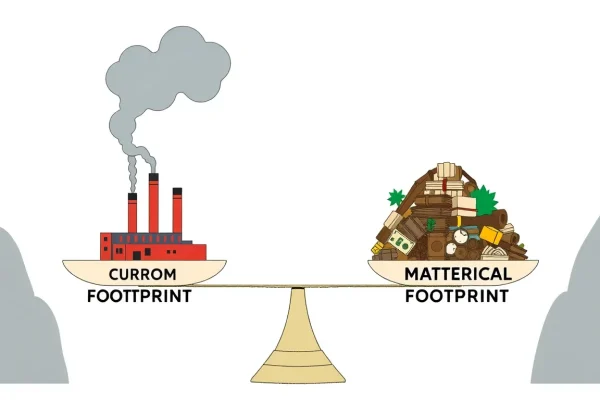
Material footprint measures the total amount of raw materials extracted to meet a country's or individual's consumption, including materials used in imported goods. Carbon…
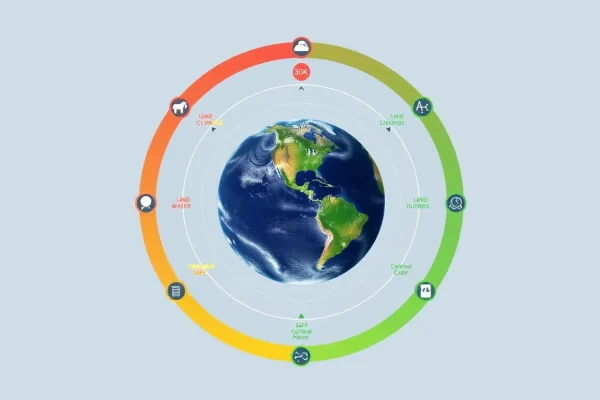
The planetary boundaries framework defines a safe operating space for humanity by identifying nine Earth-system processes and proposing quantitative boundaries for each. It can…
The planetary boundaries framework defines a safe operating space for humanity by setting precautionary limits on nine Earth-system processes. It explicitly incorporates the precautionary…
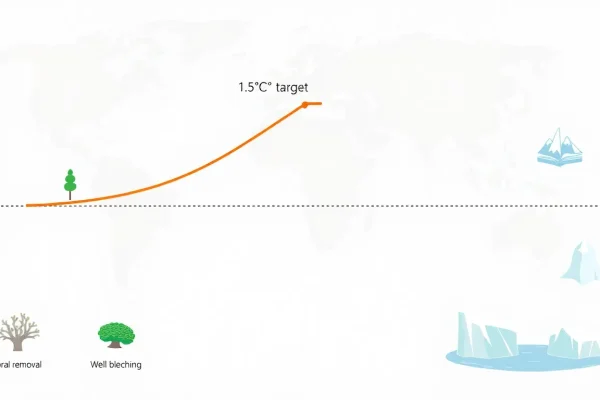
Climate overshoot refers to a scenario where global average temperatures temporarily exceed a target level, such as 1.5°C or 2°C above pre-industrial levels, before…
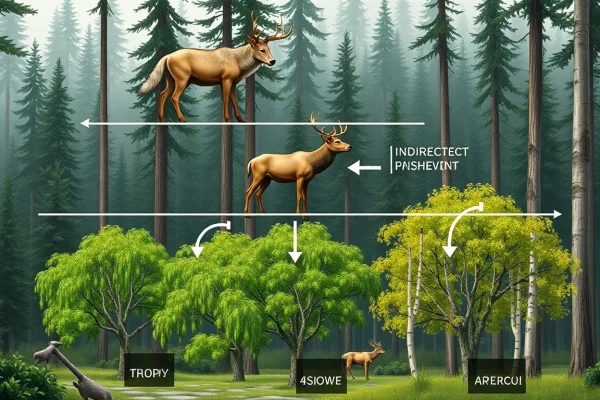
A trophic cascade is an ecological phenomenon triggered by the addition or removal of top predators, causing reciprocal changes in the relative populations of…
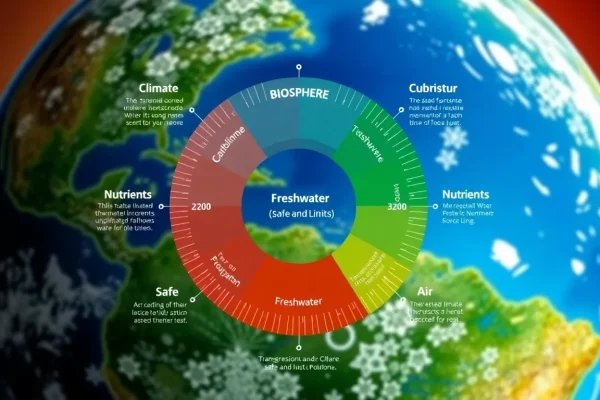
A safe and just Earth-system boundary defines the limits of human pressure on critical planetary processes, ensuring both a stable Earth system (safe) and…