Chemical Production and the Planetary Boundaries Framework
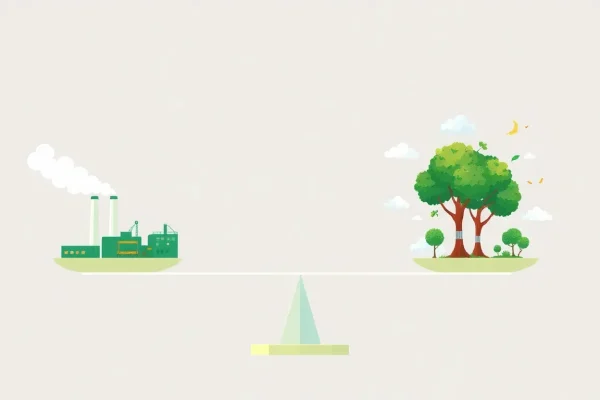
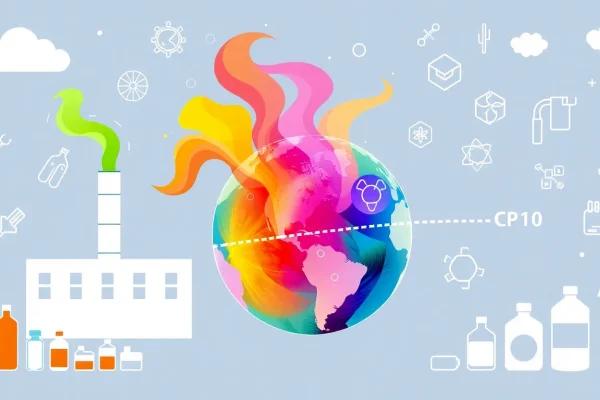
Chemical production is a primary driver of the 'novel entities' planetary boundary, which addresses the release of synthetic chemicals and other human-made substances into…
Search results
Guides, research and analysis matching your search.
105 resultsChemical production is a primary driver of the 'novel entities' planetary boundary, which addresses the release of synthetic chemicals and other human-made substances into…
Net zero refers to achieving a balance between the amount of greenhouse gases emitted into the atmosphere and the amount removed. It is a…
Science-based targets are corporate greenhouse gas reduction goals aligned with the level of decarbonization required to meet the Paris Agreement’s aim of limiting global…
Greenwishing is the practice of setting environmental goals that far exceed an organization's or government's actual ability to achieve them. Unlike greenwashing, it often…
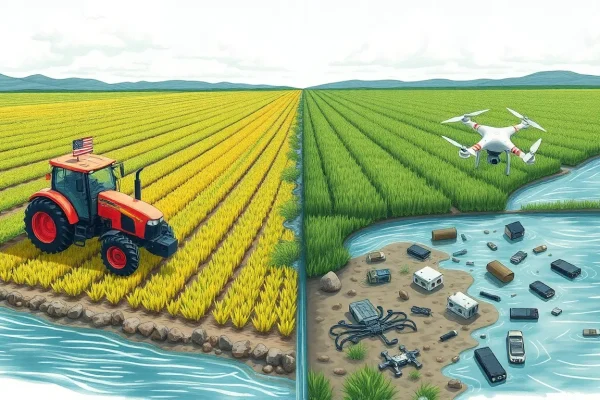
Precision agriculture (PA) is a farming management approach that uses information technology to tailor crop inputs to specific field conditions, aiming to increase efficiency…
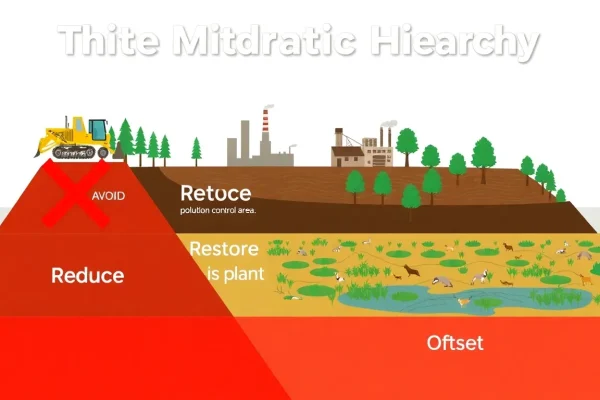
The mitigation hierarchy is a structured approach to managing the environmental impacts of development projects, prioritizing avoidance, then reduction, restoration, and finally offsetting. While…
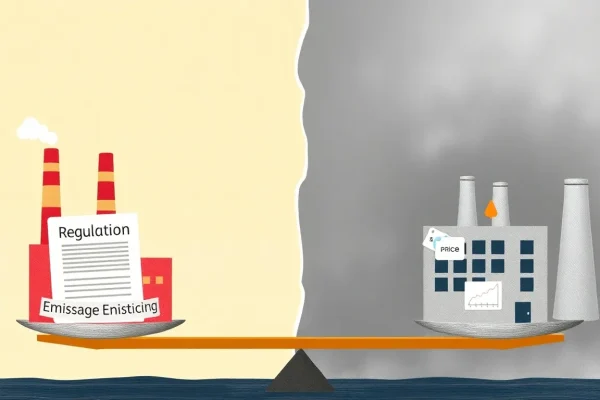
Environmental regulation uses government-mandated rules and technology standards to control pollution, while market-based policies harness economic incentives like taxes, tradable permits, and subsidies to…
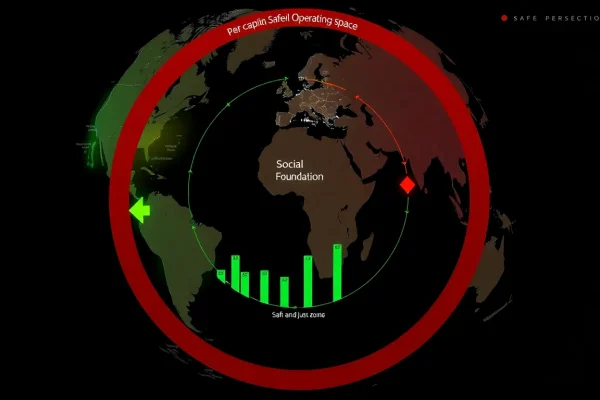
The planetary boundaries framework defines a safe operating space for humanity, but it does not prescribe how resources should be shared among countries. The…
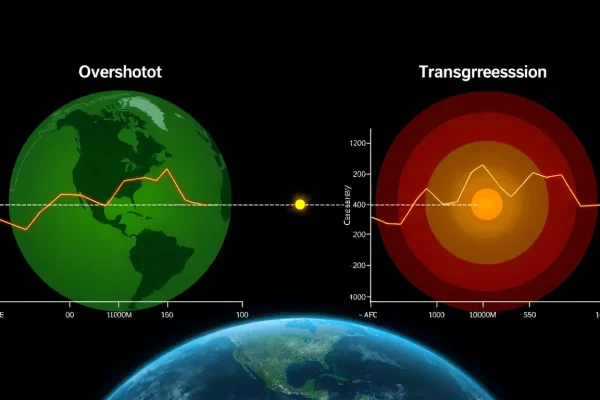
Overshoot refers to a temporary exceedance of a planetary boundary with the potential to return to the safe operating space, whereas transgression denotes a…
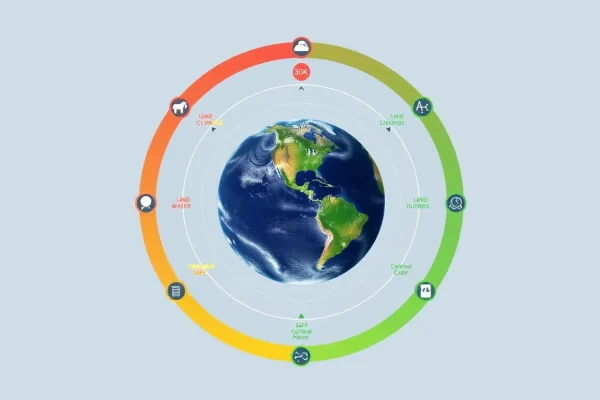
The planetary boundaries framework defines a safe operating space for humanity by identifying nine Earth-system processes and proposing quantitative boundaries for each. It can…