Planetary Boundaries and the Precautionary Principle
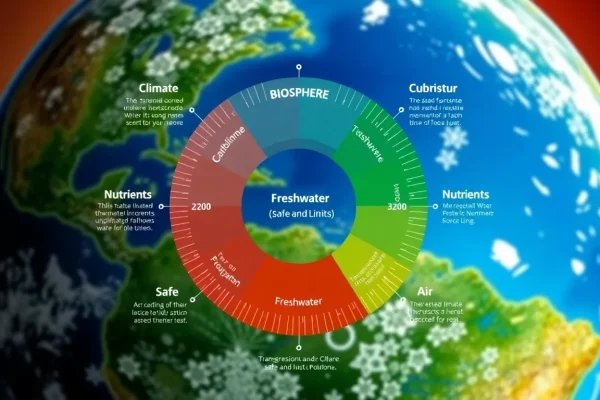
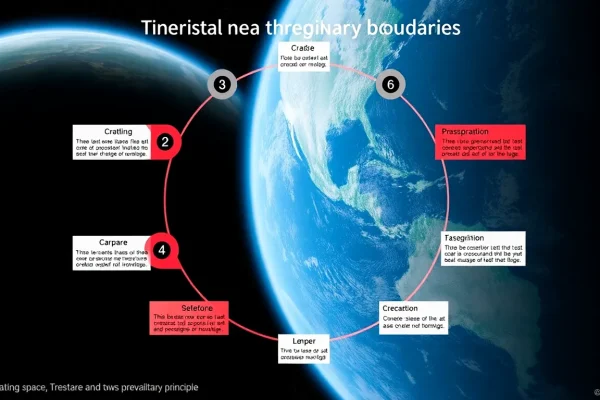
The planetary boundaries framework defines a safe operating space for humanity by setting precautionary limits on nine Earth-system processes. It explicitly incorporates the precautionary…
Search results
Guides, research and analysis matching your search.
105 resultsThe planetary boundaries framework defines a safe operating space for humanity by setting precautionary limits on nine Earth-system processes. It explicitly incorporates the precautionary…
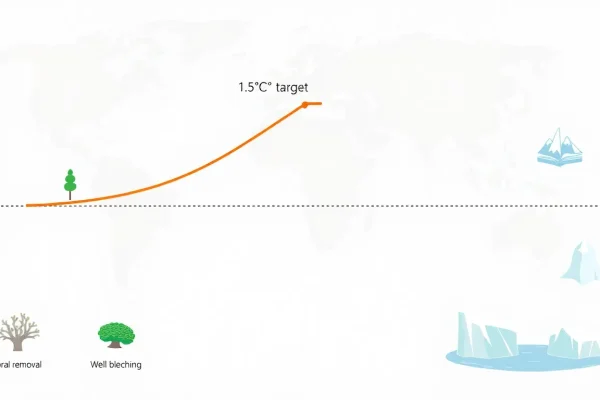
Climate overshoot refers to a scenario where global average temperatures temporarily exceed a target level, such as 1.5°C or 2°C above pre-industrial levels, before…
A safe and just Earth-system boundary defines the limits of human pressure on critical planetary processes, ensuring both a stable Earth system (safe) and…
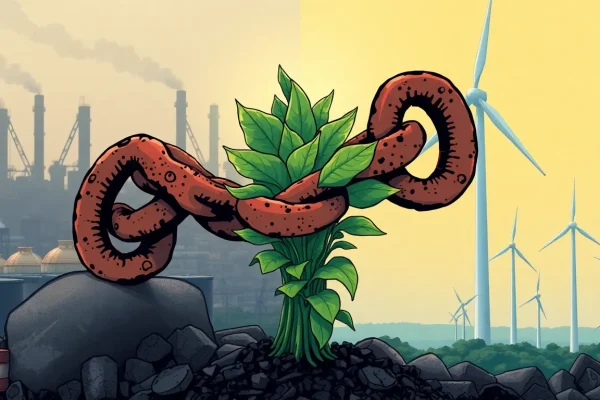
Carbon lock-in is the self-reinforcing inertia of fossil fuel-based systems that makes shifting to low-carbon alternatives difficult. It arises from technological, institutional, and behavioral…
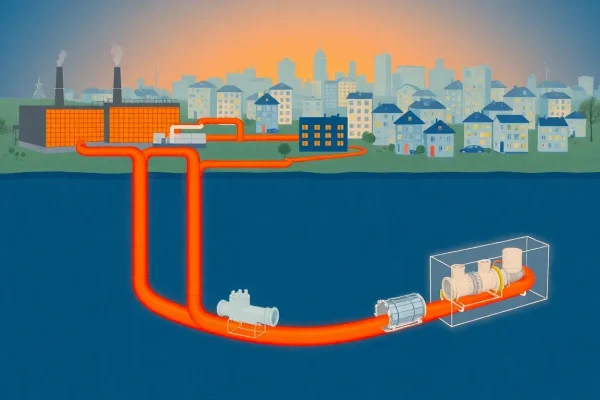
District heating and cooling (DHC) systems distribute thermal energy from centralized sources to multiple buildings, offering a potentially efficient and low-carbon solution for space…
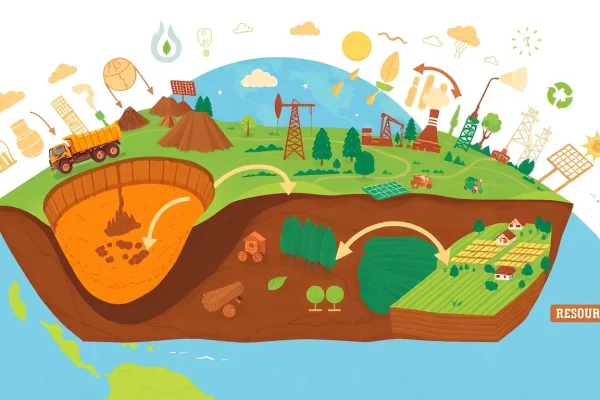
Resource extraction is the process of removing natural resources from the Earth for human use, including mining, drilling, logging, and agriculture. It provides the…
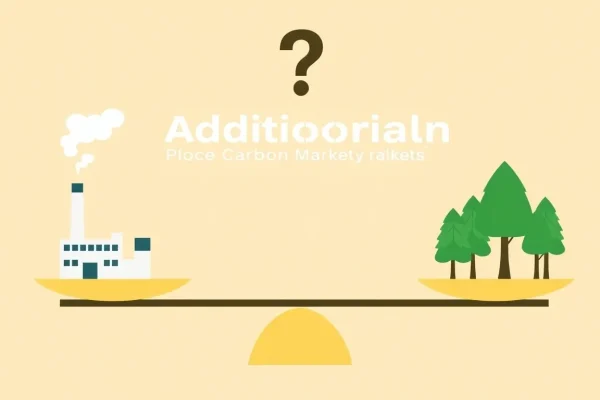
Additionality is a core principle in carbon markets, requiring that emission reductions would not have occurred without the incentive provided by carbon credits. This…
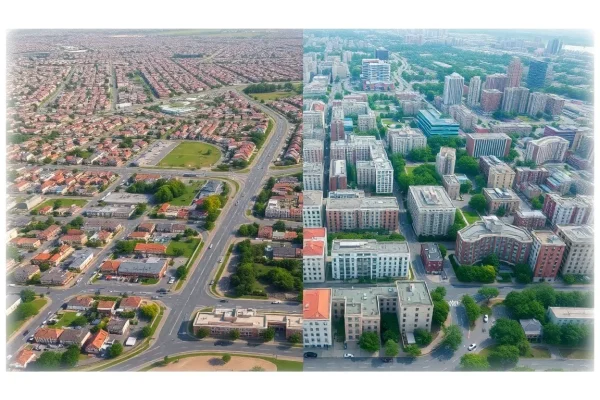
Urban sprawl—low-density, car-dependent development—significantly increases per capita consumption of land, energy, water, and materials. Compact, mixed-use urban forms can reduce these demands, but implementation…
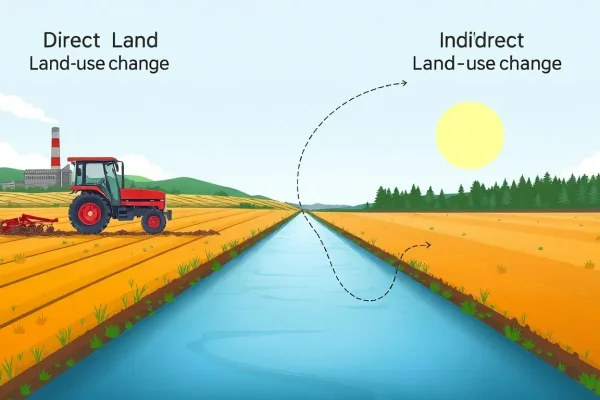
Direct land-use change occurs when land is converted for a new purpose, such as clearing forest for cropland. Indirect land-use change happens when that…
Nature-based carbon removal (e.g., afforestation, soil carbon) is currently more cost-effective and provides co-benefits but faces permanence risks. Technological methods (e.g., direct air capture)…