Planetary Boundaries and Intergenerational Justice
The planetary boundaries framework defines a safe operating space for humanity, which is intrinsically linked to intergenerational justice—the obligation to leave future generations a…
Search results
Guides, research and analysis matching your search.
105 resultsThe planetary boundaries framework defines a safe operating space for humanity, which is intrinsically linked to intergenerational justice—the obligation to leave future generations a…
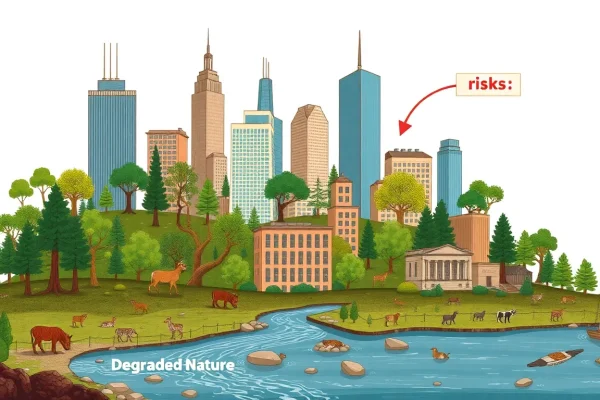
Nature-related business risks are the potential threats to companies, investors, and the financial system arising from their dependencies and impacts on the natural world.…
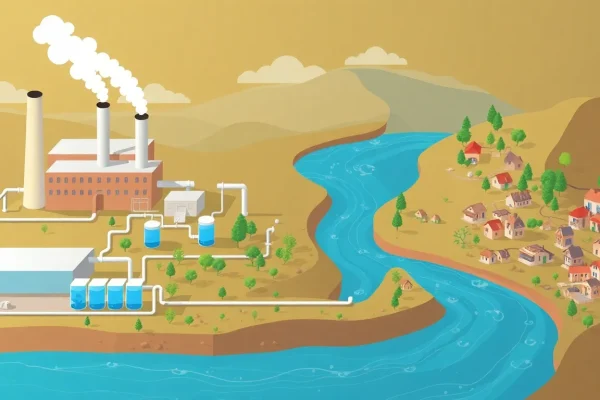
Corporate water stewardship is a business approach that goes beyond managing water use within a company’s own operations to address shared water risks and…
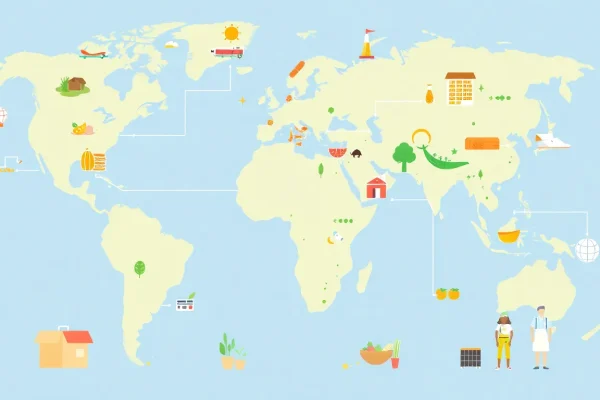
The global food system encompasses all activities and resources involved in producing, processing, distributing, consuming, and disposing of food worldwide. It is a complex…
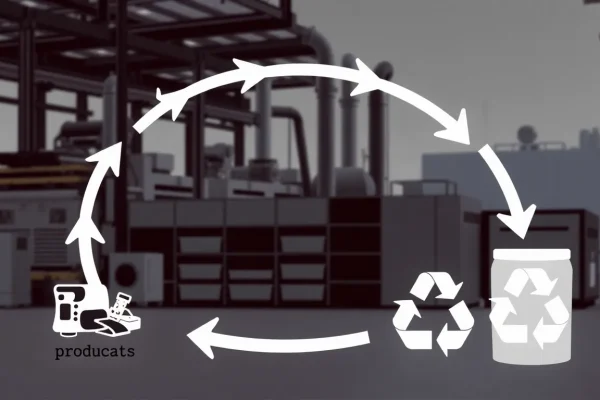
Extended Producer Responsibility (EPR) is a policy approach that makes producers responsible for the entire lifecycle of their products, especially end-of-life management. It shifts…
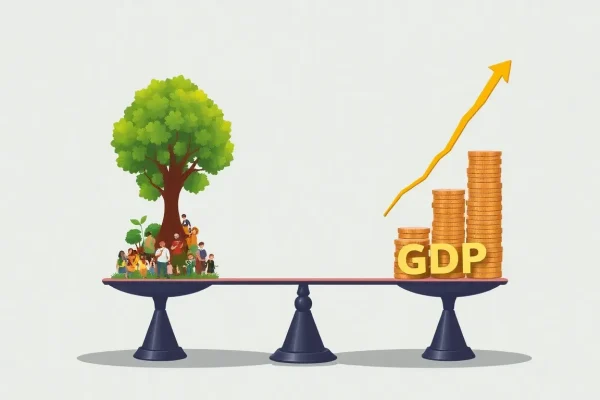
Post-growth economics is a school of thought that challenges the primacy of GDP growth as a policy goal, arguing that endless economic expansion is…
The EAT-Lancet Commission proposed a global reference diet that could feed 10 billion people by 2050 while preventing about 11 million premature deaths annually…
High-speed rail offers a lower-carbon alternative to short-haul air travel on dense corridors, with proven success in Europe and Asia. However, its high upfront…
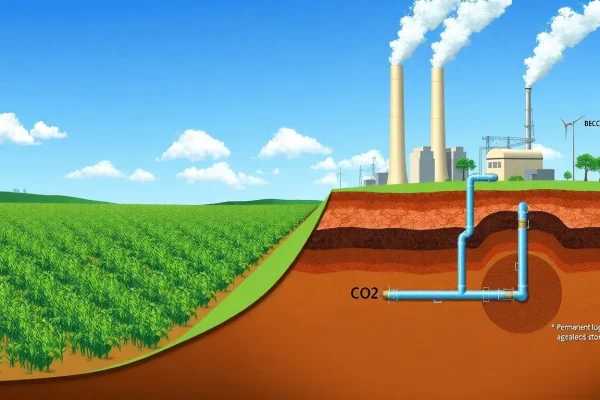
Bioenergy with carbon capture and storage (BECCS) is a carbon dioxide removal technology that combines energy generation from biomass with the capture and permanent…
Soil carbon credits aim to offset emissions by storing carbon in agricultural soils, but face major hurdles in accurate measurement, ensuring permanence, and proving…