In brief
At a glance
Quick Facts
- Definition
- A policy approach where producers bear significant responsibility for the treatment or disposal of post-consumer products.
- First Implemented
- Germany's Packaging Ordinance of 1991 is often cited as the first comprehensive EPR law.
- Key Principle
- Shifts waste management costs from taxpayers to producers, incentivizing eco-design.
- Common Product Categories
- Packaging, electronics, batteries, vehicles, tires, and oils.
- Global Adoption
- EPR systems exist in many countries, including EU member states, Canada, Japan, and South Korea.
- Economic Impact
- Can lead to job creation in recycling and remanufacturing sectors.
- Environmental Goal
- Reduce waste sent to landfills and incinerators, and increase recycling rates.
- Business Obligations
- May include take-back programs, recycling targets, and reporting requirements.
Key Takeaways
- Extended Producer Responsibility (EPR) makes producers responsible for the end-of-life management of their products, shifting costs and responsibilities from municipalities and taxpayers.
- EPR incentivizes businesses to design products that are easier to reuse, recycle, or dispose of safely, reducing environmental impact.
- EPR systems vary globally, with different product categories, targets, and operational models, but all aim to internalize waste management costs.
- While EPR can improve recycling rates and reduce waste, it also poses challenges such as compliance costs, free-rider issues, and the need for robust monitoring.
What Is Extended Producer Responsibility for Businesses?
Extended Producer Responsibility (EPR) is an environmental policy approach that holds producers accountable for the entire lifecycle of their products, with a particular focus on the post-consumer stage. Under EPR, businesses that manufacture, import, or sell products are given significant responsibility—financial, physical, or both—for the collection, recycling, treatment, and disposal of those products once they become waste. This shifts the burden of waste management away from local governments and taxpayers, who traditionally handle municipal solid waste, and places it onto the producers who design and market the products.
EPR is rooted in the “polluter pays” principle, which asserts that those who cause pollution should bear the costs of managing it. By making producers responsible for end-of-life management, EPR creates an economic incentive for them to design products that are easier to recycle, contain fewer hazardous materials, and have longer lifespans. The concept extends beyond simple take-back programs; it often includes requirements for meeting recycling targets, reporting on material flows, and funding public awareness campaigns. EPR is most commonly applied to product categories that pose significant waste management challenges, such as packaging, electronics, batteries, vehicles, tires, and used oil.
Overview
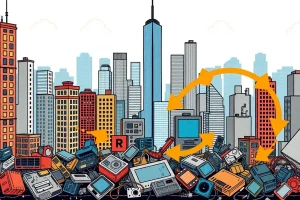
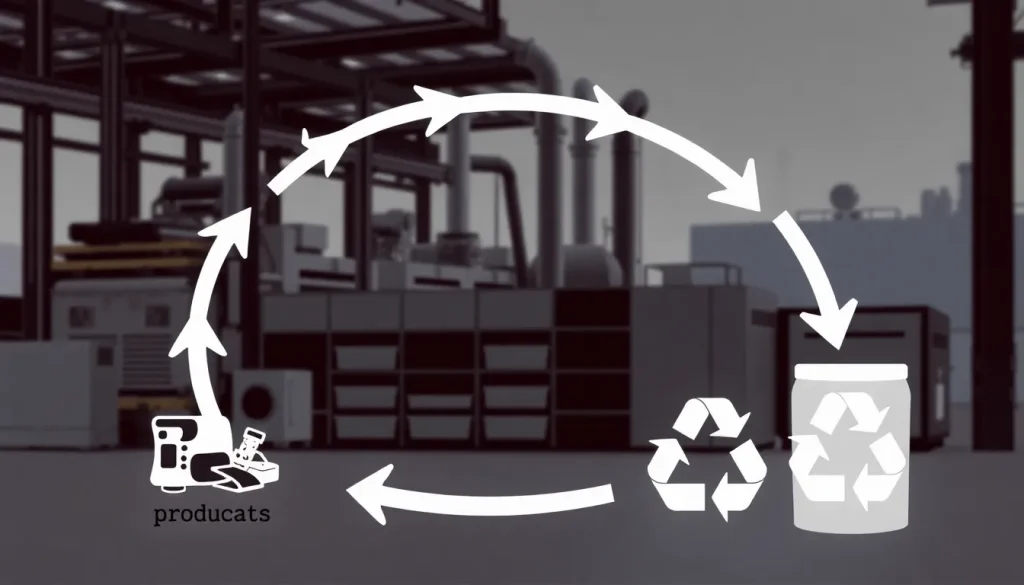
Extended Producer Responsibility has become a cornerstone of modern waste management policy in many parts of the world. It represents a shift from a linear “take-make-dispose” economy to a more circular model where materials are kept in use for as long as possible. Under EPR, producers are not only responsible for the manufacturing and distribution of goods but also for the collection, sorting, and recycling or safe disposal of products at the end of their useful life. This responsibility can be individual, where a company manages its own products, or collective, where producers join a producer responsibility organization (PRO) to fulfill obligations on their behalf.
The scope of EPR programs varies by jurisdiction. Some focus solely on packaging waste, while others cover a wide range of product categories. The obligations placed on producers can include financial contributions to waste management systems, physical collection and recycling operations, or a combination of both. EPR policies are often enacted through legislation, but can also be implemented through voluntary agreements or industry-led initiatives. The overarching goal is to reduce the environmental impact of products throughout their lifecycle and to promote a more sustainable use of resources.
How It Works
EPR systems operate by establishing a legal framework that defines the responsibilities of producers. Typically, a government body sets regulations that require producers to meet certain targets for collection and recycling of their products. Producers can comply individually by setting up their own take-back and recycling infrastructure, or they can join a collective scheme—a Producer Responsibility Organization (PRO)—which manages compliance on behalf of its members. PROs are often non-profit entities funded by fees paid by producers, based on the quantity and type of products they place on the market.
The financial flows in an EPR system are designed to cover the net costs of managing end-of-life products. Producers pay fees that are used to fund collection, sorting, treatment, and recycling operations. These fees can be modulated based on eco-design criteria, such as recyclability or recycled content, to incentivize better product design. For example, a producer using easily recyclable materials might pay a lower fee than one using complex, non-recyclable composites. The system also typically includes monitoring and reporting requirements to ensure compliance and track progress toward targets.
Benefits, Limitations and Trade-offs
EPR offers several benefits. It can significantly increase recycling rates and reduce the amount of waste sent to landfills or incinerators. By making producers financially responsible for end-of-life management, it encourages them to design products that are easier to reuse, repair, or recycle, leading to resource conservation and reduced environmental pollution. EPR can also create jobs in the recycling and remanufacturing sectors and reduce the financial burden on municipalities and taxpayers.
However, EPR systems also have limitations and trade-offs. They can increase costs for producers, which may be passed on to consumers through higher prices. There is a risk of “free-riding,” where some producers avoid their obligations, undermining the system’s effectiveness and fairness. The success of EPR depends heavily on robust monitoring, enforcement, and transparent governance. Additionally, EPR alone cannot solve all waste problems; it must be part of a broader strategy that includes waste reduction, reuse, and sustainable consumption. In some cases, EPR may also lead to unintended consequences, such as increased complexity in product design to minimize fee payments rather than genuine environmental improvements.
Regional Differences
EPR implementation varies widely across regions. The European Union has been a pioneer, with directives on packaging waste, waste electrical and electronic equipment (WEEE), batteries, and end-of-life vehicles. EU member states have transposed these directives into national laws, resulting in a diverse landscape of EPR schemes. For example, Germany’s Green Dot system for packaging is one of the oldest and most established. In contrast, the United States has a more fragmented approach, with EPR laws primarily at the state level and covering specific products like electronics, paint, and batteries. There is no federal EPR framework, leading to a patchwork of regulations.
In Asia, countries like Japan and South Korea have implemented comprehensive EPR systems. Japan’s Home Appliance Recycling Law and South Korea’s EPR system for packaging and products are notable examples. Canada uses a mix of provincial EPR programs, often with industry-led stewardship organizations. Developing countries are increasingly adopting EPR, but face challenges such as informal recycling sectors, limited infrastructure, and enforcement capacity. The design of EPR systems must be tailored to local contexts, considering factors like existing waste management infrastructure, market conditions, and cultural practices.
What Businesses and Governments Can Do
For businesses, engaging with EPR requires proactive steps. Companies should first understand the EPR regulations that apply to their products in each market they operate. This includes identifying product categories covered, registration requirements, and reporting obligations. Businesses can choose to comply individually or join a PRO. They should also consider integrating eco-design principles into product development to reduce end-of-life costs and improve compliance. Engaging with policymakers and industry associations can help shape practical and effective EPR regulations.
Governments play a crucial role in designing and implementing EPR systems. They must establish clear legal frameworks that define producer responsibilities, set measurable targets, and ensure a level playing field. Effective enforcement mechanisms, including monitoring, reporting, and penalties for non-compliance, are essential. Governments should also facilitate stakeholder collaboration, including producers, recyclers, local authorities, and civil society, to ensure the system works efficiently. Additionally, they can support innovation in recycling technologies and infrastructure development to meet EPR goals.
FAQ
What is Extended Producer Responsibility for Businesses?
Extended Producer Responsibility (EPR) is a policy approach that makes producers responsible for the entire lifecycle of their products, especially end-of-life management. It shifts waste management costs from municipalities to producers, incentivizing eco-design and recycling.
How does Extended Producer Responsibility work?
EPR works by establishing legal frameworks that require producers to meet collection and recycling targets. Producers can comply individually or join a Producer Responsibility Organization (PRO) that manages compliance on their behalf, funded by producer fees.
Why does Extended Producer Responsibility matter?
EPR matters because it addresses growing waste challenges by internalizing end-of-life costs, promoting a circular economy, reducing environmental pollution, and conserving resources. It also encourages innovation in product design and waste management infrastructure.
References
- OECD (2016), Extended Producer Responsibility: Updated Guidance for Efficient Waste Management, OECD Publishing.
- European Commission, 'Extended Producer Responsibility', official website.
- Product Stewardship Institute, 'What is EPR?', productstewardship.us.