Can Blue Carbon Help Mitigate Climate Change?
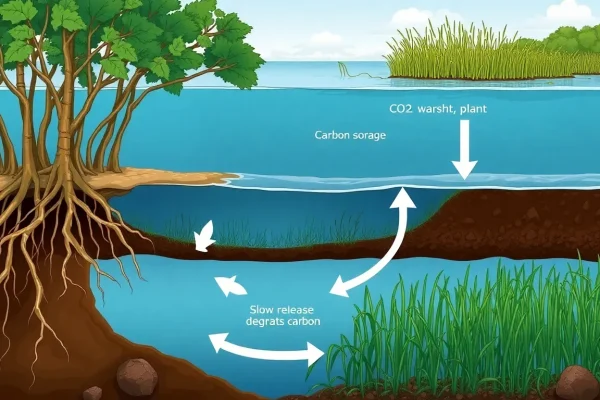
Blue carbon refers to carbon captured and stored in coastal and marine ecosystems, primarily mangroves, salt marshes, and seagrasses. These habitats sequester carbon at…
Search results
Guides, research and analysis matching your search.
238 resultsBlue carbon refers to carbon captured and stored in coastal and marine ecosystems, primarily mangroves, salt marshes, and seagrasses. These habitats sequester carbon at…
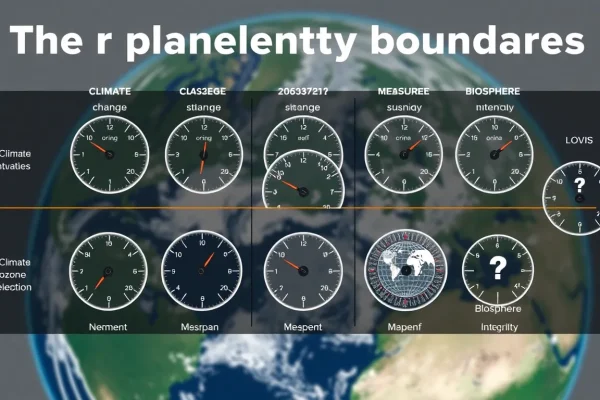
The planetary boundaries framework identifies nine Earth-system processes critical for maintaining a safe operating space for humanity. The ease of measuring these boundaries varies…
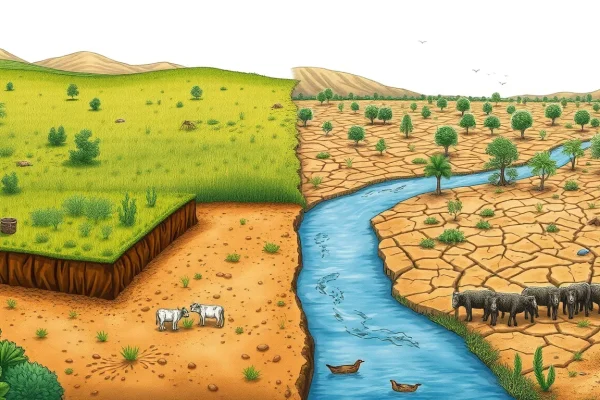
Land degradation is the decline in the quality and productivity of land, while desertification is a specific type of land degradation that occurs in…
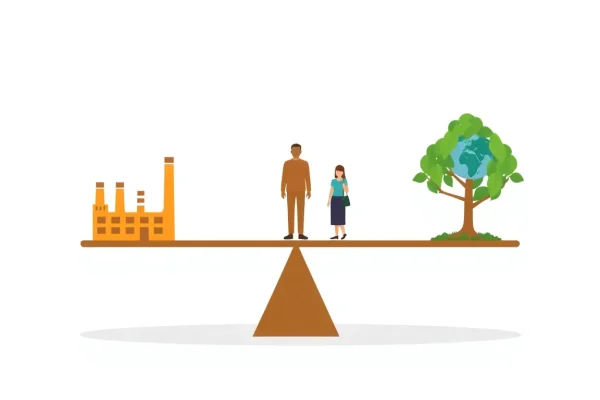
Inclusive wealth is a measure of a nation’s total assets—including produced, human, and natural capital—used to assess long-term sustainability and well-being beyond GDP. It…
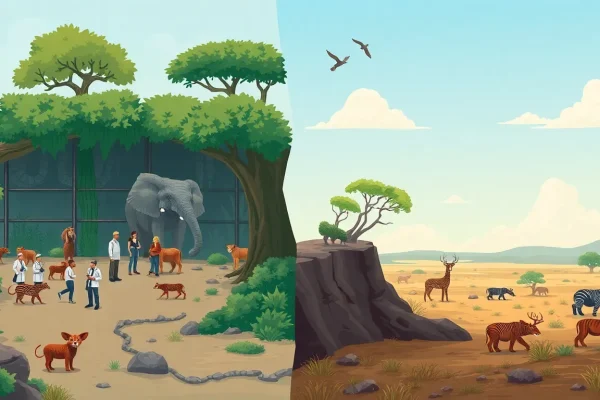
Captive breeding is a conservation strategy where endangered species are bred in controlled environments like zoos or breeding centers to boost population numbers. While…
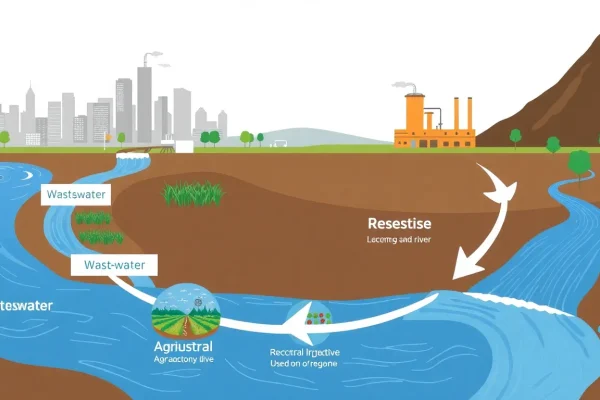
Wastewater reuse involves treating and repurposing water from domestic, industrial, or agricultural sources for beneficial applications such as irrigation, industrial processes, and even drinking…
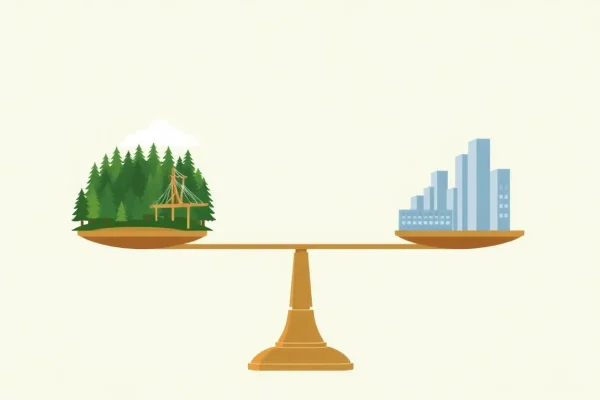
No Net Loss (NNL) is a policy principle aiming to balance biodiversity losses from development with equivalent gains, while Nature Positive is a global…
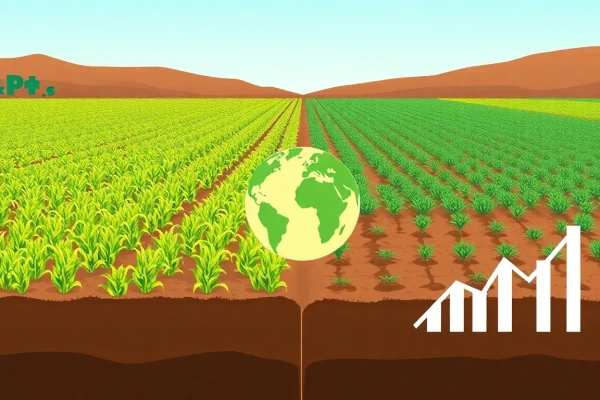
The agricultural yield gap is the difference between the potential yield of a crop under ideal conditions and the actual yield achieved by farmers.…
Tire-wear pollution is the release of tiny particles from vehicle tires as they abrade against road surfaces. These particles, composed of synthetic rubber and…
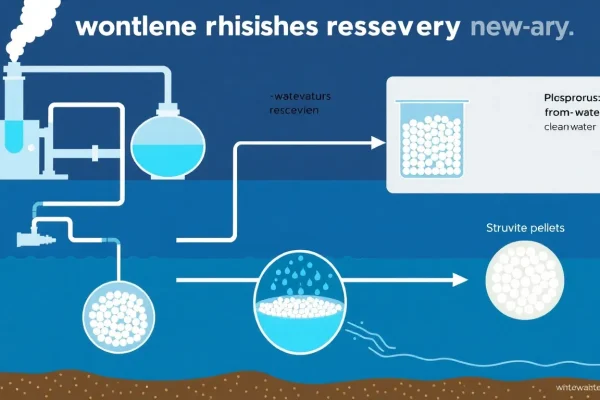
Phosphorus can be recovered from wastewater using technologies like chemical precipitation and biological uptake, turning a pollutant into a valuable fertilizer. This process helps…