In brief
At a glance
Quick Facts
- Global wastewater production
- Approximately 380 billion cubic meters of wastewater are generated worldwide each year, with only a fraction being treated and reused.
- Common reuse applications
- Agricultural irrigation accounts for the largest share of reclaimed water use, followed by industrial processes and landscape irrigation.
- Treatment levels
- Reuse requires at least secondary treatment, but potable reuse demands advanced processes like reverse osmosis and UV disinfection.
- Energy comparison
- Treating wastewater for reuse often consumes less energy than desalinating seawater, making it an energy-efficient alternative water source.
- Nutrient value
- Reclaimed water can supply significant amounts of nitrogen and phosphorus, reducing fertilizer needs in agriculture.
- Public acceptance
- Surveys show that acceptance of wastewater reuse increases when people are informed about treatment processes and safety measures.
- Regulatory pioneers
- California, Singapore, and Australia have some of the most comprehensive regulations for potable and non-potable wastewater reuse.
- Pathogen removal
- Advanced treatment can achieve over 99.9999% removal of viruses and bacteria, meeting stringent health standards.
Key Takeaways
- Wastewater reuse involves treating and repurposing water from domestic, industrial, or agricultural sources for beneficial uses, reducing pressure on freshwater supplies.
- Reuse can be non-potable (e.g., irrigation, industrial cooling) or potable (direct or indirect augmentation of drinking water supplies), each requiring different treatment levels.
- Key benefits include water conservation, nutrient recovery, energy savings, and reduced pollution of natural water bodies.
- Risks and limitations encompass potential pathogen exposure, chemical contaminants, public acceptance challenges, and high infrastructure costs.
- Effective governance, advanced treatment technologies, and robust monitoring are essential to ensure safe and sustainable wastewater reuse.
What Is Wastewater Reuse: Benefits, Risks and Limitations?
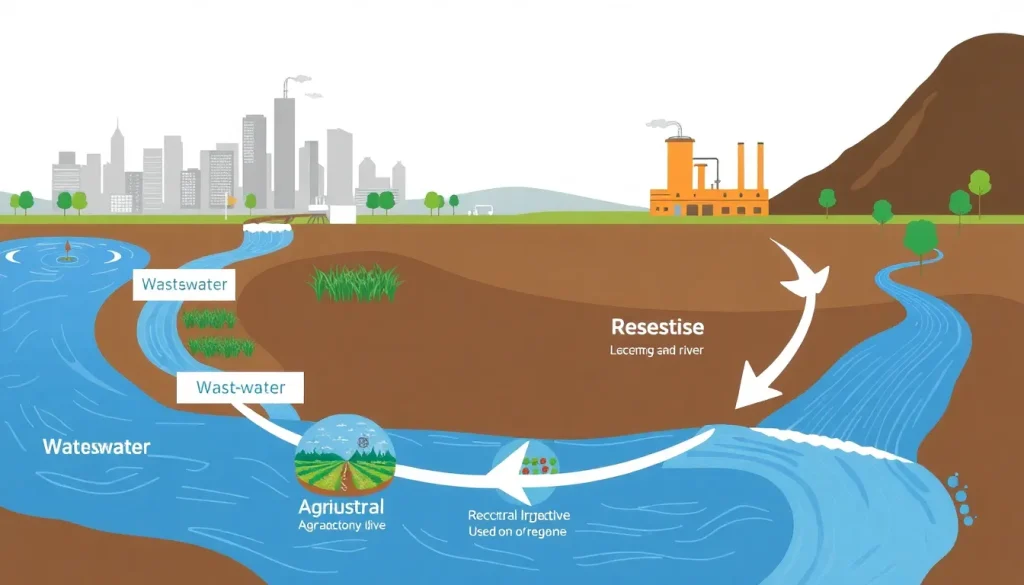
Wastewater reuse, also known as water recycling or reclamation, is the process of treating and repurposing water that has been previously used in domestic, industrial, or agricultural activities. Instead of discharging this water into the environment as waste, it is collected, treated to a quality appropriate for its intended new use, and then distributed. The practice encompasses a wide spectrum, from simple greywater systems that reuse water from sinks and showers for landscape irrigation, to advanced treatment trains that produce high-purity water suitable for drinking.
The benefits of wastewater reuse are substantial: it provides a reliable, locally controlled water source that can alleviate water scarcity, reduce the energy and costs associated with transporting water over long distances, and recover valuable resources like nutrients and organic matter. However, the practice is not without risks and limitations. Inadequate treatment or management can lead to the spread of waterborne diseases, accumulation of chemical contaminants in soils and crops, and negative public perception. Understanding these trade-offs is essential for designing safe, effective, and socially acceptable reuse systems.
How It Works
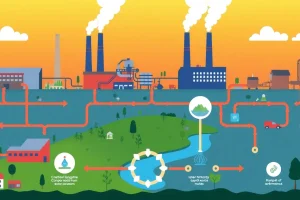
Wastewater reuse systems are designed to match the quality of treated water to the requirements of the intended use. The process typically involves several stages:
- Collection and Preliminary Treatment: Wastewater is gathered from sewers or on-site systems and passed through screens and grit chambers to remove large solids, sand, and debris.
- Primary Treatment: Physical processes such as sedimentation allow suspended solids to settle out, producing primary sludge and partially clarified water.
- Secondary Treatment: Biological processes, often using activated sludge or trickling filters, remove dissolved organic matter and nutrients. This stage typically produces water suitable for restricted irrigation or industrial cooling.
- Tertiary or Advanced Treatment: Additional steps like filtration, disinfection (chlorination, UV, or ozone), and sometimes reverse osmosis or advanced oxidation are applied to remove remaining pathogens, nutrients, and trace chemicals. The resulting high-quality water can be used for unrestricted irrigation, groundwater recharge, or as a source for potable reuse.
- Distribution and Monitoring: Treated water is conveyed to the point of use through dedicated pipes or blended with other water sources. Continuous monitoring ensures that water quality meets regulatory standards.
The specific treatment train depends on the source water quality and the end use. For example, agricultural reuse may require only secondary treatment with disinfection, while indirect potable reuse (e.g., injecting treated water into an aquifer) demands advanced treatment and natural attenuation steps to ensure safety.
Benefits
Wastewater reuse offers a range of environmental, economic, and social benefits that make it an attractive component of integrated water resource management:
- Water Conservation: By substituting reclaimed water for freshwater in non-potable applications, communities can preserve limited groundwater and surface water supplies for drinking and ecosystem needs.
- Reliable Supply: Unlike rainfall-dependent sources, wastewater is generated consistently in urban areas, providing a drought-resistant water supply.
- Nutrient Recovery: Treated wastewater often contains nitrogen and phosphorus, which can reduce the need for synthetic fertilizers when used for irrigation, benefiting agriculture and landscaping.
- Energy Savings: In some cases, using local reclaimed water avoids the energy costs of pumping freshwater from distant sources or desalinating seawater.
- Environmental Protection: Reuse reduces the volume of treated effluent discharged into rivers, lakes, and oceans, thereby decreasing pollution and protecting aquatic ecosystems.
- Economic Value: Industries can lower operational costs by using reclaimed water for cooling, processing, or boiler feed, and municipalities can defer expensive investments in new water supply infrastructure.
Risks and Limitations
Despite its advantages, wastewater reuse carries inherent risks and faces practical limitations that must be addressed through careful planning and management:
- Health Risks: Pathogens (bacteria, viruses, protozoa, helminths) present in inadequately treated wastewater can cause waterborne diseases. Chemical contaminants, including pharmaceuticals, personal care products, heavy metals, and endocrine-disrupting compounds, may pose long-term health risks if not properly removed.
- Environmental Impacts: Over-irrigation with reclaimed water can lead to soil salinization, sodicity, or accumulation of trace elements, harming plant growth and soil structure. Discharge of nutrients into sensitive water bodies may still cause eutrophication if not managed.
- Public Perception and Acceptance: The “yuck factor”—psychological repulsion toward using treated wastewater—can hinder adoption, especially for potable reuse. Lack of trust in treatment technology and regulatory oversight often underlies public opposition.
- Infrastructure and Costs: Retrofitting existing systems or building dual distribution networks for reclaimed water requires significant capital investment. Operation and maintenance of advanced treatment facilities can be expensive and energy-intensive.
- Regulatory and Institutional Barriers: In many regions, outdated or fragmented regulations do not adequately address reuse, and responsibilities may be split among multiple agencies, leading to coordination challenges.
- Technical Limitations: Some contaminants, such as certain pharmaceuticals or microplastics, are difficult to remove completely with current technologies, and monitoring for all potential hazards is not always feasible.
Environmental and Human Impacts
The environmental and human impacts of wastewater reuse are closely tied to the level of treatment and the application. When properly treated and managed, reuse can significantly reduce the discharge of pollutants into natural water bodies, protecting aquatic ecosystems and improving water quality for downstream users. It can also decrease the abstraction of freshwater from rivers and aquifers, helping to maintain environmental flows and ecosystem health.
However, inadequate treatment or mismanagement can lead to negative outcomes. For example, using insufficiently treated wastewater for irrigation may contaminate crops with pathogens, posing direct health risks to farm workers and consumers. Long-term application of reclaimed water with elevated salinity or specific ions can degrade soil structure and reduce agricultural productivity. In potable reuse schemes, even trace levels of unregulated contaminants raise concerns about chronic health effects, though advanced treatment processes are designed to remove or destroy such compounds. Comprehensive risk assessment frameworks and stringent water quality standards are essential to minimize these impacts.
Common Misconceptions
Several misconceptions surround wastewater reuse, often fueled by a lack of understanding or sensationalized reporting:
- “Reused water is dirty and unsafe.” In reality, treated wastewater intended for reuse must meet strict quality standards that are often more rigorous than those for conventional drinking water sources. Advanced treatment can produce water that is purer than many natural freshwater sources.
- “Wastewater reuse is only for irrigation.” While agricultural and landscape irrigation are common applications, reclaimed water is also used for industrial processes, toilet flushing, firefighting, groundwater recharge, and even direct potable reuse in some advanced systems.
- “It’s a new, untested technology.” Wastewater reuse has been practiced for decades in various forms. Planned indirect potable reuse has been successfully implemented in regions like Orange County, California, since the 1970s, and many countries have long traditions of using treated wastewater for agriculture.
- “All wastewater is the same.” The quality of wastewater varies significantly depending on its source (domestic, industrial, stormwater), and treatment requirements are tailored accordingly. Greywater from sinks and showers is much easier to treat than blackwater from toilets or industrial effluents.
What Businesses and Governments Can Do
Scaling up safe wastewater reuse requires coordinated action from both public and private sectors:
- Develop Clear Regulations and Standards: Governments should establish science-based water quality criteria for different reuse applications, covering microbial, chemical, and physical parameters, and ensure consistent enforcement.
- Invest in Infrastructure and Technology: Public funding and private investment can support the construction of advanced treatment plants, distribution networks, and monitoring systems. Incentives such as tax breaks or subsidies can encourage industrial and agricultural users to adopt reclaimed water.
- Promote Integrated Water Resource Management: Planners should incorporate wastewater reuse into broader water management strategies, considering the entire water cycle and coordinating across sectors.
- Foster Public Engagement and Education: Transparent communication about treatment processes, safety measures, and benefits can build trust and acceptance. Engaging communities early in planning processes helps address concerns and misconceptions.
- Encourage Research and Innovation: Support for research into low-cost treatment technologies, real-time monitoring, and risk assessment methods can improve the safety and affordability of reuse systems.
- Implement Water Efficiency Programs: Businesses can reduce their water footprint by using reclaimed water for non-potable needs, and governments can mandate or incentivize such practices in new developments.
FAQ
What is wastewater reuse?
Wastewater reuse is the practice of treating and repurposing water from domestic, industrial, or agricultural sources for beneficial applications such as irrigation, industrial processes, or even drinking water, instead of discharging it as waste.
How does wastewater reuse work?
It works by collecting wastewater, treating it through physical, biological, and chemical processes to remove contaminants, and then distributing the reclaimed water for its intended use. The level of treatment depends on the end use, with potable reuse requiring the most advanced treatment.
Why does wastewater reuse matter?
It matters because it provides a sustainable, drought-resistant water source that can alleviate water scarcity, reduce pollution, recover valuable resources, and support economic development, all while protecting freshwater ecosystems.
References
- World Health Organization. (2006). Guidelines for the safe use of wastewater, excreta and greywater.
- United States Environmental Protection Agency. (2012). Guidelines for Water Reuse.
- UNESCO World Water Assessment Programme. (2017). The United Nations World Water Development Report 2017: Wastewater, The Untapped Resource.