What Is Ecosystem Connectivity? A Comprehensive Guide
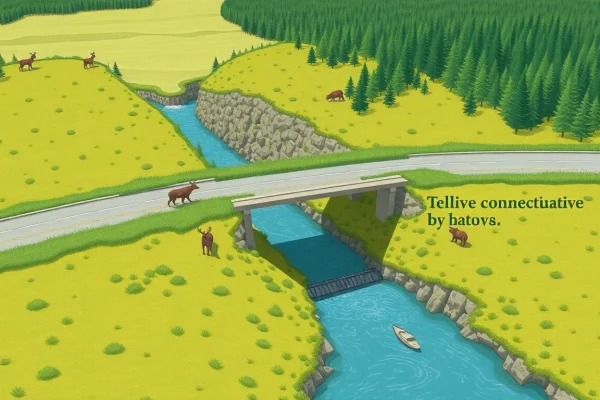
Ecosystem connectivity is the degree to which landscapes and seascapes allow organisms to move and ecological processes to flow freely. It is essential for…
Search results
Guides, research and analysis matching your search.
238 resultsEcosystem connectivity is the degree to which landscapes and seascapes allow organisms to move and ecological processes to flow freely. It is essential for…
Recycling is a process of converting waste into new materials, while a circular economy is a systemic approach that aims to eliminate waste and…
Water stress occurs when the demand for fresh water exceeds the available supply during a certain period or when poor quality restricts its use.…
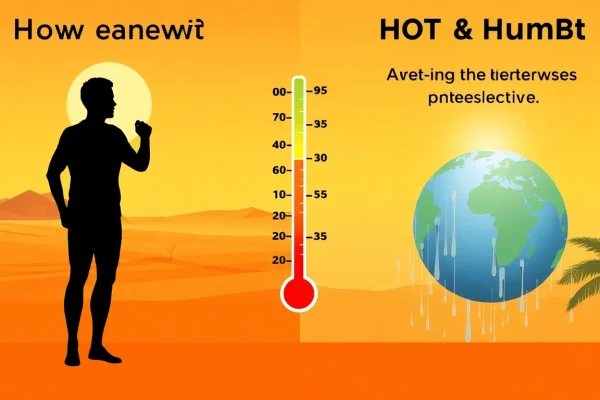
High humidity prevents sweat from evaporating, crippling the body’s main cooling mechanism. A landmark study found that a wet-bulb temperature of 35°C (95°F) marks…
Stratospheric aerosol injection (SAI) is a proposed solar geoengineering method to reflect sunlight and cool the Earth by injecting reflective particles into the stratosphere.…
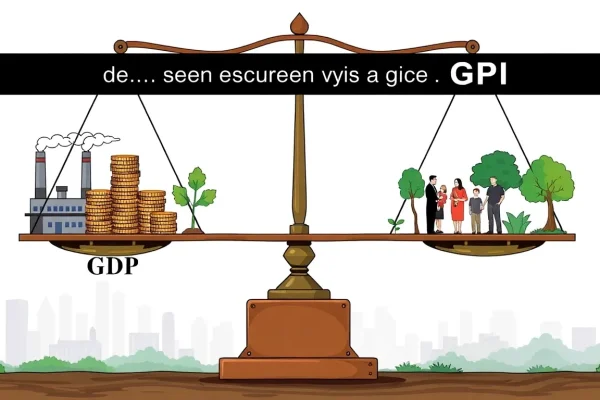
Gross Domestic Product (GDP) measures the total market value of goods and services produced, while the Genuine Progress Indicator (GPI) adjusts for factors like…
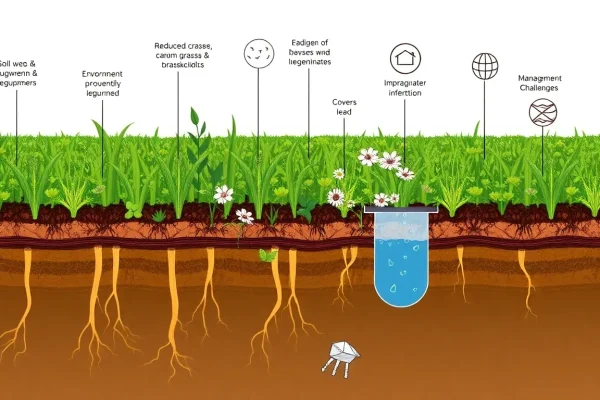
Cover crops are plants grown primarily to protect and improve soil between cash crop cycles. They offer environmental benefits such as erosion control, nutrient…
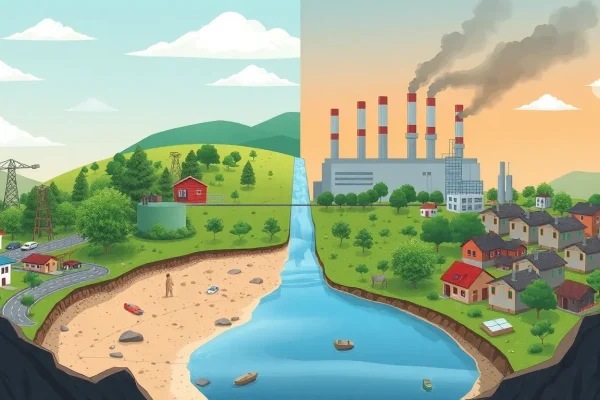
Environmental risks—such as pollution, toxic waste, and climate hazards—are not shared equally across society. Due to socioeconomic disparities, historical discrimination, and political marginalization, low-income…
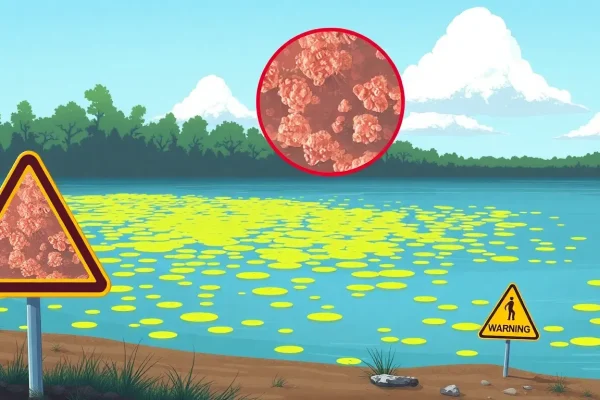
Some algal blooms produce toxins as a defense mechanism against grazers or as byproducts of metabolic processes. These toxins, known as cyanotoxins or phycotoxins,…
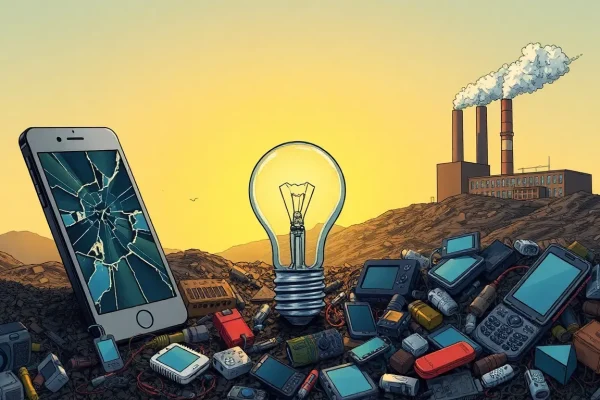
Planned obsolescence is the practice of designing products with artificially limited lifespans to encourage frequent replacement. This strategy drives excessive resource extraction, energy consumption,…