In brief
At a glance
Quick Facts
- Definition of seasonal food
- Food grown and consumed during its natural harvest period in a specific region.
- Definition of imported food
- Food transported from another region or country, often to provide out-of-season produce.
- Food miles
- The distance food travels from production to consumer; a common but incomplete measure of environmental impact.
- Carbon footprint of transport
- Shipping by sea has low emissions per ton-mile; air freight has very high emissions.
- Nutritional differences
- Seasonal food may retain more vitamins due to freshness, but frozen imports can be equally nutritious.
- Water footprint
- Imported food can exacerbate water scarcity in producing regions through virtual water trade.
- Economic impact
- Seasonal food supports local farmers; imports support global trade and developing economies.
- Year-round availability
- Imported food enables consumers to access diverse produce regardless of local growing seasons.
Key Takeaways
- Seasonal food is grown and consumed during its natural harvest period in a specific region, while imported food is transported from distant locations, often to provide out-of-season produce.
- Seasonal food typically has a lower environmental footprint due to reduced transportation and storage needs, but production methods and local climate also play significant roles.
- Imported food enables year-round dietary diversity and supports global trade, but it can involve higher carbon emissions, water usage, and nutrient loss over time.
- Choosing between seasonal and imported food involves trade-offs among environmental sustainability, nutritional quality, economic impact, and personal convenience.
What Is Seasonal Food vs Imported Food?
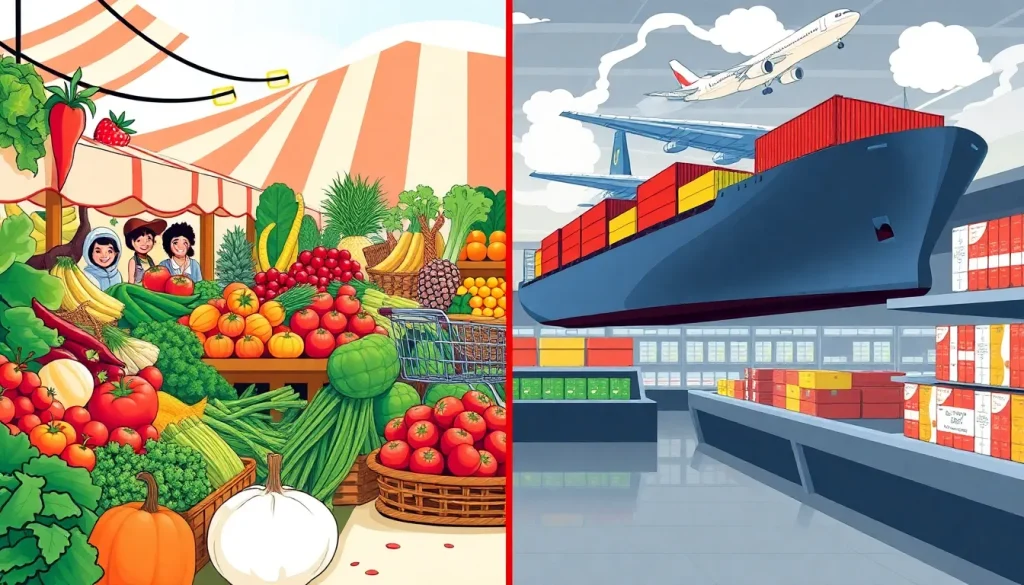
Seasonal food refers to produce that is grown and harvested during its natural growing season in a particular geographic region, and consumed shortly thereafter. Imported food, by contrast, is food that has been transported from another region or country, often to provide consumers with products that are out of season locally or not grown in the area at all. The distinction is central to discussions about sustainable food systems, as the choice between seasonal and imported food affects environmental impact, nutritional quality, and local economies.
Seasonal eating is rooted in traditional agricultural practices, where communities relied on what could be grown and harvested at specific times of the year. With advances in transportation, refrigeration, and global trade, imported food has become widely available, allowing consumers in temperate climates to enjoy tropical fruits in winter or fresh vegetables year-round. This shift has decoupled food consumption from local growing cycles, raising questions about the long-term sustainability and resilience of modern food systems.
Today, the terms are often used in debates about food miles, carbon footprints, and food sovereignty. While seasonal food is frequently associated with local food movements, it is important to note that seasonal does not always mean local—a food can be in season in one part of the world and imported to another. Conversely, imported food can sometimes be more sustainable than local out-of-season production if it is grown using fewer resources. Understanding these nuances is essential for making informed dietary choices.
Overview
The debate between seasonal and imported food is multifaceted, involving environmental science, economics, nutrition, and cultural preferences. Seasonal food is often associated with local food systems, farmers markets, and reduced food miles—the distance food travels from farm to plate. Imported food, on the other hand, is a cornerstone of globalized food supply chains, enabling access to a diverse range of products regardless of local climate or season. Both approaches have distinct advantages and drawbacks, and the optimal choice often depends on specific contexts, such as the type of food, production methods, and transportation modes.
Understanding the differences requires examining the entire food supply chain, from agricultural practices and energy use to storage, processing, and distribution. While seasonal food is frequently perceived as more environmentally friendly, the reality is nuanced. For instance, growing tomatoes in heated greenhouses locally during winter may have a higher carbon footprint than importing them from a warmer region where they are grown in open fields. Similarly, imported food can support developing economies by providing income to smallholder farmers, while an emphasis on local seasonal food might limit market opportunities for those producers.
A comprehensive assessment must consider lifecycle analysis (LCA), which evaluates the environmental impacts of a product from cradle to grave. Such analyses often reveal that transportation is only one piece of the puzzle; agricultural practices, land-use change, and consumer waste can be equally or more significant. Thus, the seasonal versus imported dichotomy is not a simple binary but a complex interplay of factors.
How It Works
The seasonal food system relies on natural growing cycles determined by climate, daylight, and soil conditions. In a given region, certain crops thrive only during specific times of the year. For example, in temperate zones, strawberries are typically harvested in late spring and early summer, while apples are picked in autumn. Seasonal eating involves consuming these foods when they are naturally available, often through local distribution channels such as farmers markets, community-supported agriculture (CSA), or direct farm sales. Preservation methods like canning, drying, and fermenting can extend the availability of seasonal produce without relying on imports.
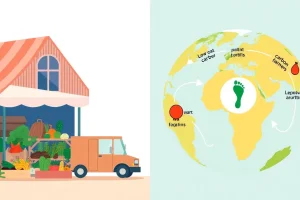
Imported food, on the other hand, depends on complex global supply chains. Food is grown in regions with favorable climates—often in the Global South—harvested, processed, packaged, and transported via ships, planes, or trucks to consumer markets. To withstand long journeys, imported produce is often picked before peak ripeness and may be treated with preservatives or stored in controlled atmospheres. This system allows consumers in colder climates to access fresh berries in winter or avocados year-round, but it also introduces significant energy use and potential food waste along the supply chain.
The infrastructure for imported food includes refrigerated containers, known as “reefers,” and sophisticated logistics networks that coordinate just-in-time delivery to supermarkets. In contrast, seasonal food systems are often shorter and simpler, reducing the need for such energy-intensive technologies. However, seasonal food may require storage facilities like root cellars or cold storage to extend availability, which also consume energy. The efficiency of each system depends on scale, technology, and management practices.
Environmental and Human Impacts
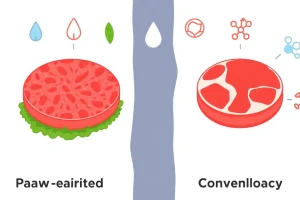
The environmental impacts of seasonal versus imported food are often measured through carbon footprint, water usage, and land-use change. Transportation is a key factor: imported food typically travels longer distances, generating greenhouse gas emissions from ships, planes, and trucks. However, transportation accounts for only a fraction of total food-related emissions; production methods (e.g., fertilizer use, deforestation, livestock management) often dominate. For example, locally grown beef may have a higher carbon footprint than imported lentils, even if the latter traveled thousands of miles.
Water usage is another critical consideration. Some imported foods come from water-scarce regions, effectively exporting virtual water—the water embedded in the production of goods. This can exacerbate water stress in producing countries. Seasonal food, when grown in appropriate climates with rain-fed agriculture, may have a lower water footprint. However, if local production requires irrigation or energy-intensive greenhouses, the environmental benefits diminish. Human impacts include the livelihoods of farmers: seasonal local food can strengthen rural communities, while imported food supports global supply chains and can provide income for farmers in developing nations. The balance between these factors is complex and context-dependent.
Land-use change is also significant. Expanding agricultural land for export crops can lead to deforestation and biodiversity loss, particularly in tropical regions. Conversely, local seasonal farming can help preserve agricultural landscapes and traditional knowledge. Socially, reliance on imported food can make countries vulnerable to supply chain disruptions, as seen during global crises. Seasonal food systems can enhance food sovereignty and resilience by reducing dependence on distant sources.
Benefits, Limitations and Trade-offs
Seasonal food offers several benefits: it is often fresher, tastier, and more nutritious because it is harvested at peak ripeness and consumed quickly. It supports local economies, reduces transportation emissions, and can foster a connection between consumers and regional food traditions. However, seasonal eating limits dietary diversity, especially in regions with harsh winters or limited growing seasons, and may lead to nutritional gaps if not supplemented with preserved or imported foods.
Imported food provides year-round access to a wide variety of fruits, vegetables, and other products, enhancing food security and culinary diversity. It can be more affordable when produced in regions with lower labor or production costs. Yet, imported food often has a larger environmental footprint due to long-distance transport, refrigeration, and packaging. It may also be less fresh, with potential nutrient degradation over time, and can undermine local food systems if consumers favor cheap imports over local seasonal produce.
The trade-offs highlight that neither option is universally superior; the best choice depends on the specific food item, production practices, and regional context. For example, importing bananas from a tropical country where they grow naturally may be more sustainable than attempting to grow them in heated greenhouses in a temperate region. Similarly, eating seasonal root vegetables in winter can be both nutritious and low-impact. A balanced approach considers the full lifecycle and prioritizes foods with the lowest overall environmental and social costs.
Common Misconceptions
One common misconception is that all imported food has a higher carbon footprint than local seasonal food. In reality, the mode of transport matters greatly: food shipped by sea has a relatively low carbon footprint per ton-mile, while air-freighted food has a very high impact. For example, imported apples transported by ship may have a lower footprint than local apples stored for months in energy-intensive cold storage. Another misconception is that seasonal food is always more nutritious. While fresher produce generally retains more vitamins, some imported foods are flash-frozen shortly after harvest, preserving nutrients effectively. The nutritional difference often depends more on handling and storage than on whether the food is seasonal or imported.
Additionally, many people assume that eating seasonally means eating only locally grown food. However, seasonal food can also be imported from regions where it is in season, blurring the line. For instance, grapes imported from Chile during the Northern Hemisphere’s winter are seasonal in Chile. The key is to consider the entire lifecycle of the food, not just the distance traveled. A further misconception is that local seasonal food is always more ethical; labor practices and economic fairness can vary widely regardless of origin.
What Individuals Can Do
Individuals can make informed choices by learning about local growing seasons and seeking out seasonal produce at farmers markets or through CSA programs. When seasonal options are limited, they can prioritize imported foods with lower environmental impacts, such as those transported by ship rather than air, or those grown using sustainable practices. Reducing food waste, regardless of source, is one of the most effective ways to lower the overall environmental footprint of one’s diet.
Consumers can also support policies and businesses that promote transparency in food labeling, including country of origin and production methods. By balancing seasonal eating with occasional imported foods, individuals can enjoy a diverse diet while minimizing negative impacts. Ultimately, the goal is not perfection but a gradual shift toward more sustainable food choices that consider both local and global implications. Engaging with community food initiatives and advocating for resilient local food systems can further amplify positive change.
FAQ
What is seasonal food?
Seasonal food is produce that is grown and harvested during its natural growing season in a particular region, and consumed shortly thereafter. It is often associated with local food systems and reduced environmental impact.
How does food importation affect the environment?
Imported food can have a higher carbon footprint due to transportation, especially if air-freighted. However, the overall environmental impact depends on production methods, water usage, and land-use change, which can sometimes make imported food more sustainable than local out-of-season alternatives.
Why does eating seasonally matter?
Eating seasonally can reduce the environmental footprint of your diet, support local farmers, and provide fresher, more nutritious food. It also encourages dietary diversity and a connection to regional food traditions, though it may require supplementation with preserved or imported foods in some climates.
References
- Food and Agriculture Organization of the United Nations (FAO). 'The State of Food and Agriculture.'
- Intergovernmental Panel on Climate Change (IPCC). 'Climate Change and Land: Special Report.'
- World Resources Institute (WRI). 'Creating a Sustainable Food Future.'