What Does “Safe Operating Space for Humanity” Mean?
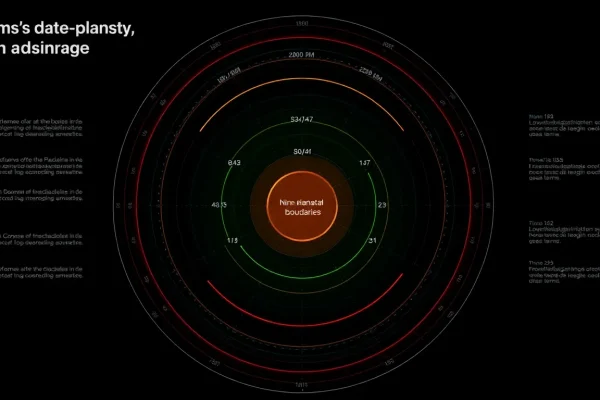
The “safe operating space for humanity” is the central concept of the planetary boundaries framework, defining a Holocene-like state in which human societies can…
Search results
Guides, research and analysis matching your search.
51 resultsThe “safe operating space for humanity” is the central concept of the planetary boundaries framework, defining a Holocene-like state in which human societies can…
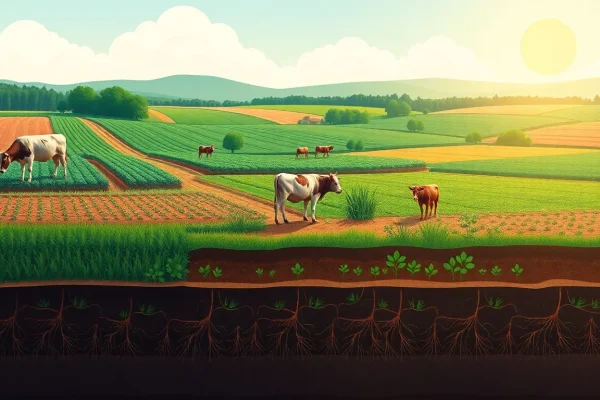
Regenerative agriculture is a holistic approach to farming and grazing that focuses on restoring soil health, increasing biodiversity, and enhancing ecosystem services. It goes…
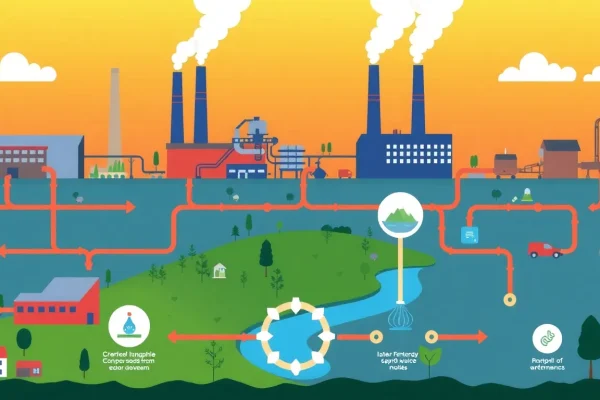
Industrial symbiosis is a collaborative approach where waste or by-products of one company become valuable inputs for another, mimicking natural ecosystems. It offers a…
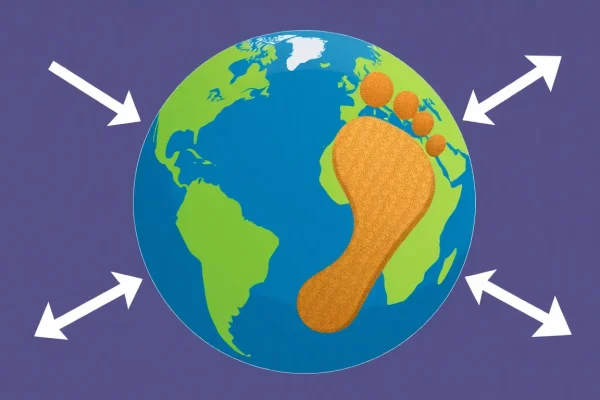
A material footprint measures the total amount of raw materials extracted globally to satisfy a country's final consumption, including materials used in producing imported…
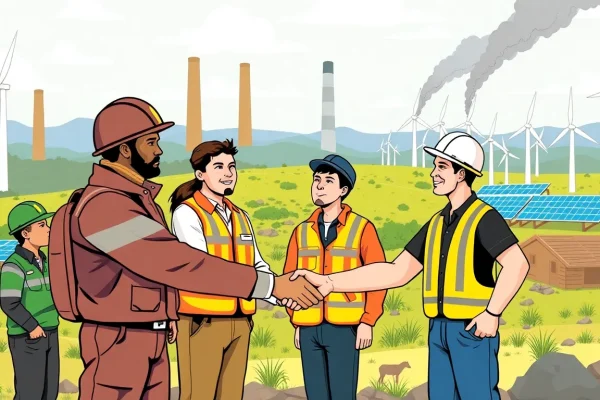
A just transition is a framework for shifting to a sustainable, low-carbon economy in a way that is fair and inclusive, protecting workers, communities,…
Animal-based foods, particularly beef and lamb, have the largest environmental footprints in terms of greenhouse gas emissions, land use, and water consumption. Plant-based foods…
Green water is precipitation stored in soil and used by plants, while blue water is liquid water in rivers, lakes, and aquifers. These concepts,…
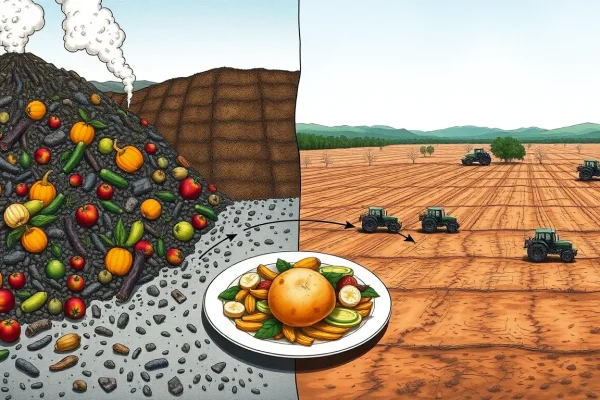
Food waste is the discarding of edible food throughout the supply chain and by consumers. When food is wasted, all the resources used to…
Urbanization fundamentally alters energy and resource use by concentrating populations, changing consumption patterns, and reshaping infrastructure. While cities can drive efficiency through density and…
Doughnut Economics is a visual framework for sustainable development that combines the concept of planetary boundaries with the concept of social boundaries. It defines…