Capacity Factor vs Efficiency: Understanding the Difference
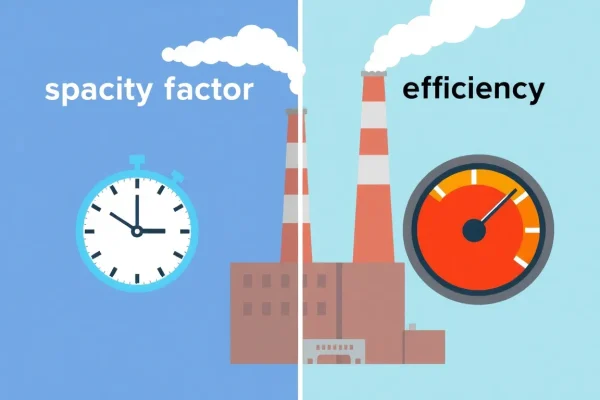
Capacity factor measures how much energy a power plant actually produces over time compared to its maximum potential output, while efficiency measures how well…
Search results
Guides, research and analysis matching your search.
95 resultsCapacity factor measures how much energy a power plant actually produces over time compared to its maximum potential output, while efficiency measures how well…
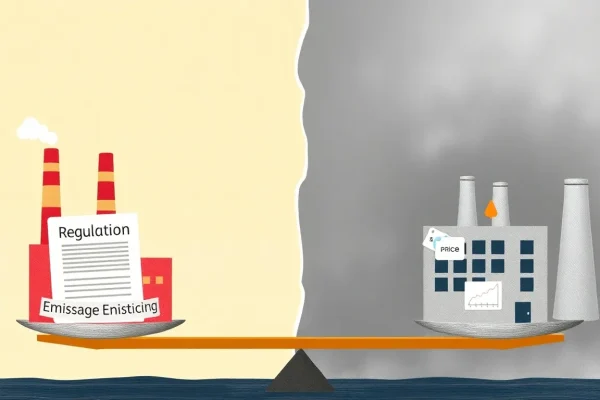
Environmental regulation uses government-mandated rules and technology standards to control pollution, while market-based policies harness economic incentives like taxes, tradable permits, and subsidies to…
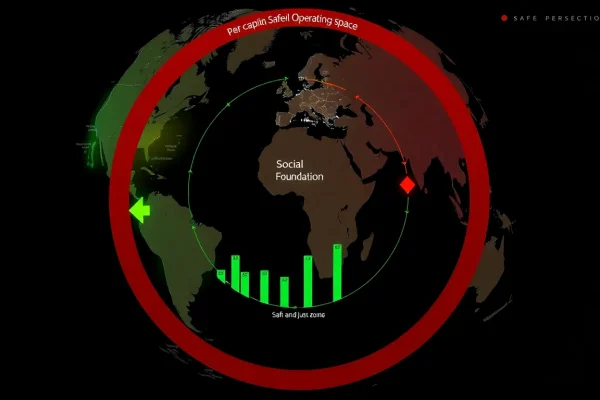
The planetary boundaries framework defines a safe operating space for humanity, but it does not prescribe how resources should be shared among countries. The…
Common but Differentiated Responsibilities (CBDR) is a principle of international environmental law that recognizes all nations share a duty to protect the environment, but…
Soil organic carbon (SOC) is the carbon stored in soil organic matter, including decomposed plant and animal residues, microbial biomass, and humus. It is…
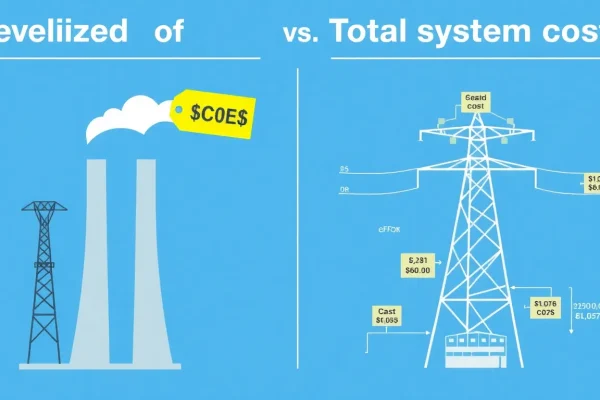
Levelized cost of energy (LCOE) measures the average lifetime cost per unit of electricity from a specific power plant, while total system cost captures…
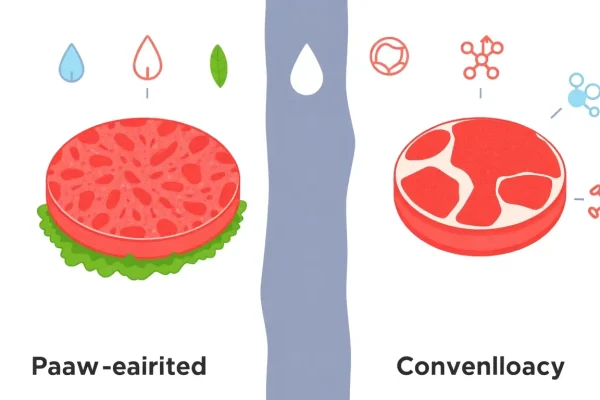
Plant-based meat is a food product made from plant proteins and other ingredients to mimic the taste, texture, and appearance of conventional animal meat.…
Carbon lock-in is the self-reinforcing inertia of fossil fuel-based systems that makes shifting to low-carbon alternatives difficult. It arises from technological, institutional, and behavioral…
Desalination can augment freshwater supplies in coastal regions, but it is not a universal solution to water scarcity due to high costs, energy demands,…
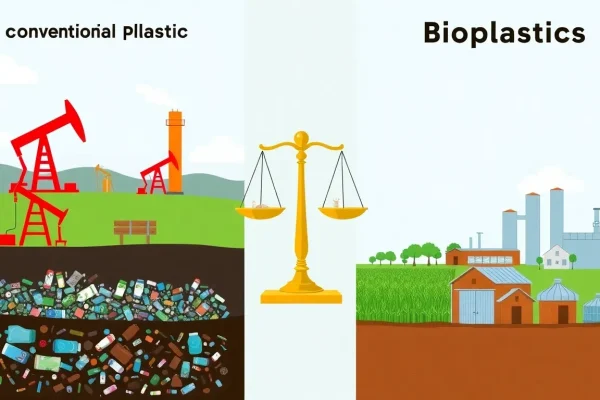
Bioplastics are plastics derived from renewable biomass sources or designed to be biodegradable, while conventional plastics are made from fossil fuels and are typically…