Levelized Cost vs Total System Cost: Understanding the Difference
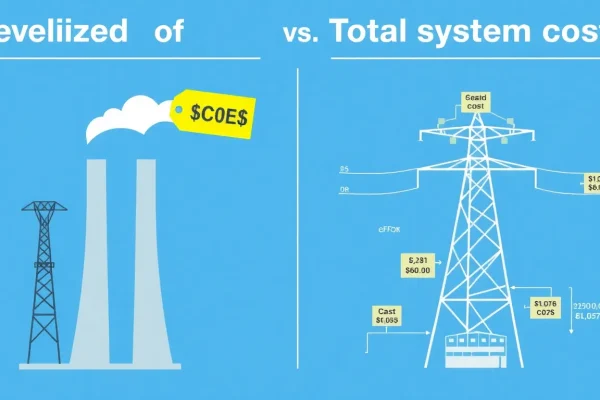
Levelized cost of energy (LCOE) measures the average lifetime cost per unit of electricity from a specific power plant, while total system cost captures…
Search results
Guides, research and analysis matching your search.
100 resultsLevelized cost of energy (LCOE) measures the average lifetime cost per unit of electricity from a specific power plant, while total system cost captures…
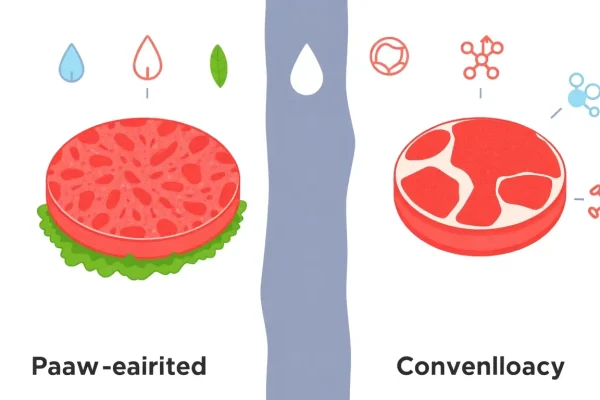
Plant-based meat is a food product made from plant proteins and other ingredients to mimic the taste, texture, and appearance of conventional animal meat.…
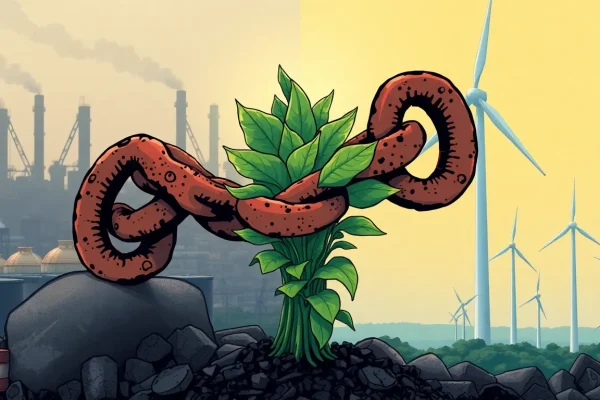
Carbon lock-in is the self-reinforcing inertia of fossil fuel-based systems that makes shifting to low-carbon alternatives difficult. It arises from technological, institutional, and behavioral…
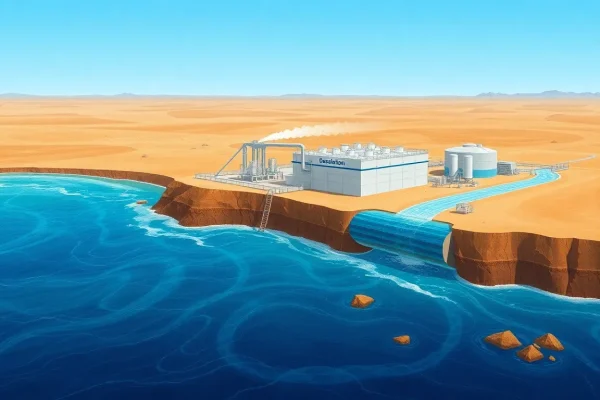
Desalination can augment freshwater supplies in coastal regions, but it is not a universal solution to water scarcity due to high costs, energy demands,…
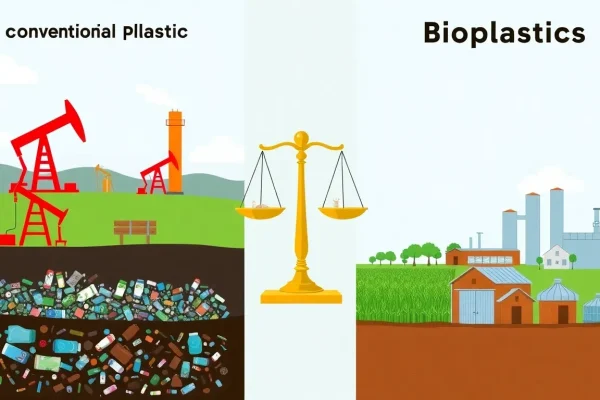
Bioplastics are plastics derived from renewable biomass sources or designed to be biodegradable, while conventional plastics are made from fossil fuels and are typically…
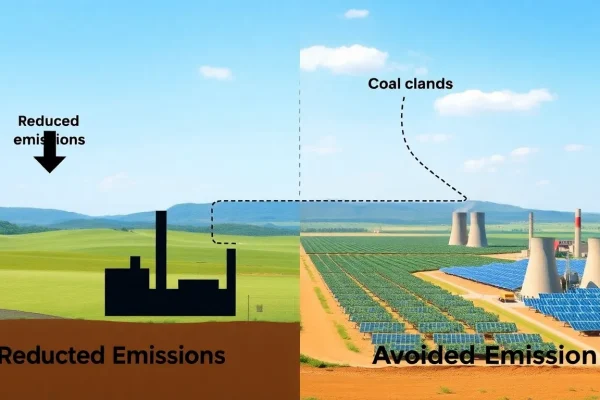
Reduced emissions refer to the direct lowering of greenhouse gas output from a specific source, such as a factory installing efficiency upgrades. Avoided emissions,…
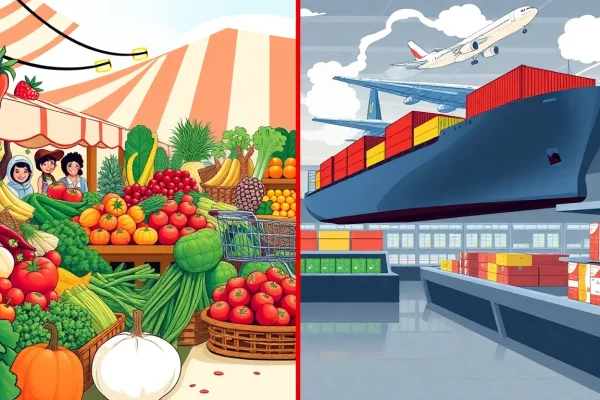
Seasonal food is grown and consumed during its natural harvest period in a specific region, while imported food is transported from distant locations, often…
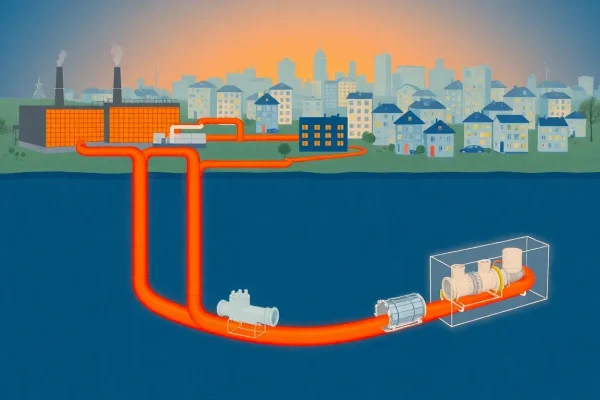
District heating and cooling (DHC) systems distribute thermal energy from centralized sources to multiple buildings, offering a potentially efficient and low-carbon solution for space…
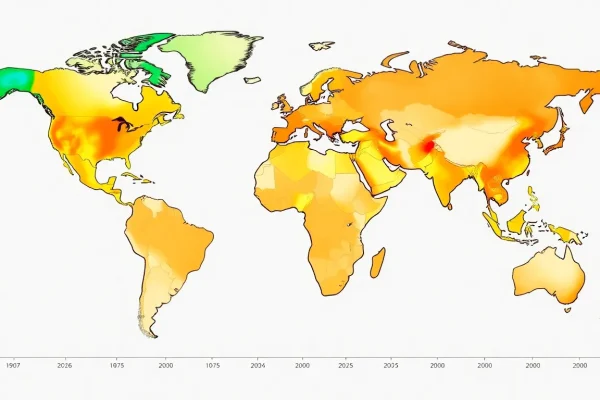
Representative Concentration Pathways (RCPs) are greenhouse gas concentration trajectories used in climate modeling. The current set includes RCP2.6, RCP4.5, RCP6.0, and RCP8.5, defined by…
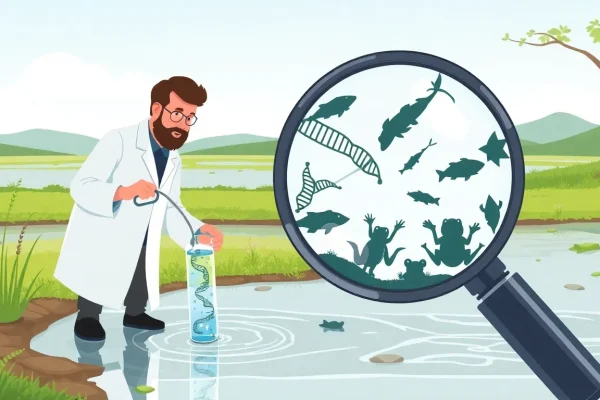
Environmental DNA (eDNA) is genetic material collected from environmental samples like water, soil, or air, rather than directly from an organism. It allows scientists…