Why Chemical Pollution Is Difficult to Measure
Chemical pollution is difficult to measure because of the vast number of chemicals in use, their complex environmental behavior, and limitations in analytical technology.…
Search results
Guides, research and analysis matching your search.
100 resultsChemical pollution is difficult to measure because of the vast number of chemicals in use, their complex environmental behavior, and limitations in analytical technology.…
Emissions reduction and carbon removal are both critical to addressing climate change, but they serve distinct roles. Emissions reduction is the immediate, cost-effective priority,…
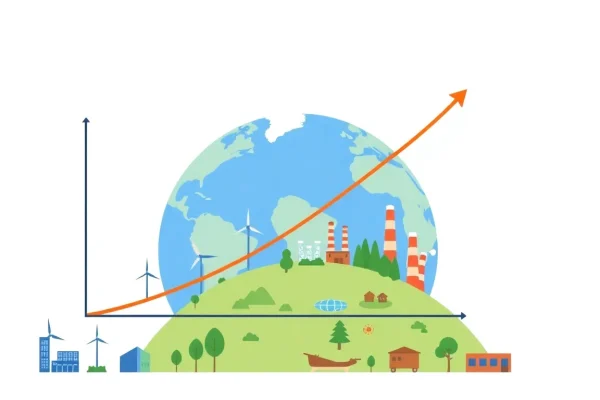
Decoupling refers to breaking the link between economic growth and environmental degradation. While relative decoupling is common, absolute decoupling remains a challenge, especially on…
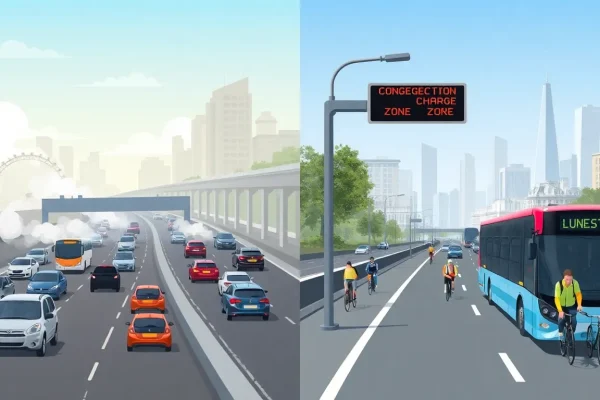
Congestion pricing is a demand-side strategy that charges drivers a fee to use congested roads or enter designated zones during peak periods. It aims…
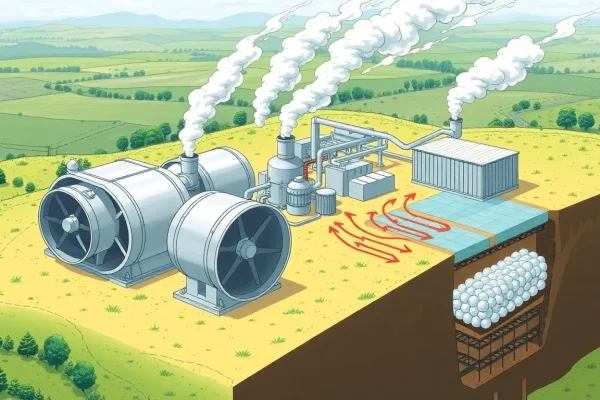
Direct air capture (DAC) is a technology that removes CO2 directly from the atmosphere. It addresses the need for negative emissions to meet climate…
Food production is the single largest driver of environmental change, pushing multiple planetary boundaries beyond safe limits. It contributes to climate change, biodiversity loss,…
While technically feasible in theory, a fully renewable energy system without any fossil fuel backup has not yet been demonstrated at large scale. High-penetration…
The rebound effect is the reduction in expected gains from a new technology that increases the efficiency of resource use, because of behavioral or…
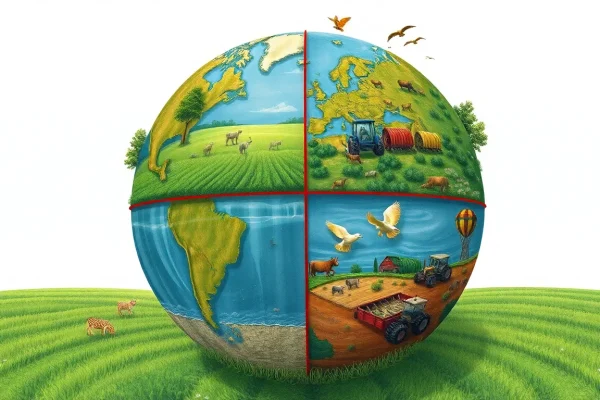
Land sparing and land sharing are two contrasting strategies for balancing agricultural production with biodiversity conservation. Land sparing involves intensifying farming on existing land…
Green growth is an economic paradigm that seeks to decouple economic growth from environmental degradation through technological innovation and efficiency improvements. Degrowth, in contrast,…