In brief
At a glance
Quick Facts
- Definition
- Ecosystem restoration is the process of assisting the recovery of an ecosystem that has been degraded, damaged, or destroyed.
- Biodiversity Recovery
- Restoration can increase biodiversity by an average of 44% compared to degraded sites, but rarely reaches the levels of intact ecosystems.
- Wetland Restoration
- Restoring wetlands can improve water quality, reduce flood risks, and provide critical habitat for migratory birds and aquatic species.
- Reforestation
- Planted monocultures are less effective for biodiversity than natural forest regeneration, which supports a wider range of native species.
- UN Decade
- The United Nations declared 2021–2030 the Decade on Ecosystem Restoration to catalyze global efforts to revive degraded landscapes.
- Cost-effectiveness
- Preventing habitat loss is far more cost-effective and successful than restoring ecosystems after they have been destroyed.
- Coral Reefs
- Coral reef restoration is particularly challenging due to slow growth rates, climate change impacts, and the complexity of reef ecosystems.
- Timeframe
- Full biodiversity recovery can take decades to centuries, and some ecosystem functions may never return to pre-disturbance levels.
Key Takeaways
- Ecosystem restoration can help recover some biodiversity, but it rarely achieves the full species richness and ecological complexity of undisturbed ecosystems.
- Restoration is most effective when combined with conservation of existing habitats and efforts to reduce ongoing threats like pollution and climate change.
- The success of restoration depends on factors such as the scale of intervention, the type of ecosystem, and the time allowed for recovery.
- While restoration provides essential benefits like carbon sequestration and water purification, it is not a substitute for preventing habitat destruction in the first place.
What Is Ecosystem Restoration?
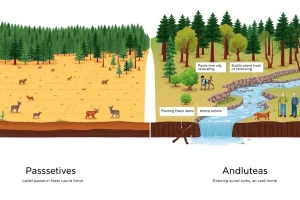
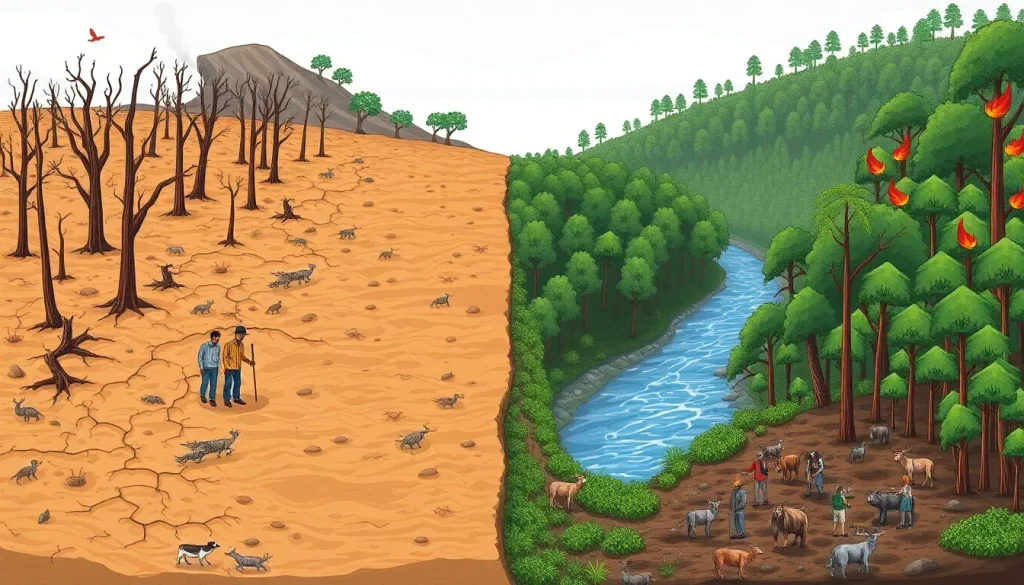
Ecosystem restoration is the process of assisting the recovery of an ecosystem that has been degraded, damaged, or destroyed. It involves a range of activities aimed at re-establishing the structure, function, and species composition of a natural habitat. Restoration can be applied to forests, wetlands, grasslands, rivers, coral reefs, and other ecosystems. The goal is to return the ecosystem to a healthy, self-sustaining state that supports native biodiversity and provides ecosystem services.
The concept of restoration recognizes that many ecosystems have been altered by human activities such as deforestation, pollution, overfishing, and urbanization. While restoration cannot recreate the past perfectly, it seeks to reverse some of the damage and set the ecosystem on a trajectory toward recovery. Restoration projects vary in scale from small community-led efforts to large national programs, and they often involve a combination of scientific knowledge, traditional ecological knowledge, and adaptive management.
How It Works
Ecosystem restoration employs a variety of techniques depending on the ecosystem type and the extent of degradation. Common methods include:
- Reforestation and afforestation: planting native tree species to restore forest cover.
- Wetland restoration: re-establishing natural water flows and removing drainage systems to revive marshes and swamps.
- Invasive species removal: eliminating non-native plants and animals that outcompete native species.
- Soil rehabilitation: using techniques like composting and erosion control to restore soil health.
- Reintroduction of native species: bringing back keystone species that play critical roles in ecosystem function.
- Assisted natural regeneration: protecting an area from further disturbance to allow natural recovery processes to occur.
Restoration often follows a trajectory from initial intervention to a self-sustaining ecosystem. However, full recovery can take decades or centuries, and the restored ecosystem may not exactly replicate the original. Adaptive management—monitoring outcomes and adjusting techniques—is essential to address unforeseen challenges and improve success rates.
What the Evidence Shows
Scientific studies and practical projects demonstrate that restoration can increase biodiversity, improve ecosystem functions, and enhance services. For example, reforested areas can support a significant number of forest-dependent species, and restored wetlands can provide habitat for migratory birds and improve water quality. However, evidence also shows that restored ecosystems rarely match the biodiversity of undisturbed reference sites.
A meta-analysis of restoration outcomes found that while restoration increased biodiversity by an average of 44% compared to degraded sites, it still fell short of the biodiversity levels in intact ecosystems. Recovery is often incomplete, with some species failing to return, especially those with limited dispersal abilities or specialized habitat needs. The time since restoration, the size of the restored area, and connectivity to natural habitats all influence outcomes. Long-term monitoring reveals that some ecosystem functions, like nutrient cycling, may recover faster than species diversity.
Importance and Impact
Ecosystem restoration is a critical tool for addressing the global biodiversity crisis. It can help recover populations of threatened species, restore ecological processes like pollination and nutrient cycling, and enhance the resilience of ecosystems to climate change. Restoration also provides numerous benefits to human communities, including improved water quality, flood control, carbon sequestration, and opportunities for recreation and cultural practices.
In many regions, restoration is essential for maintaining livelihoods that depend on natural resources. The United Nations has recognized the importance of restoration by declaring 2021–2030 the Decade on Ecosystem Restoration, aiming to scale up efforts worldwide. By restoring degraded lands, societies can also make progress toward multiple Sustainable Development Goals, including those related to poverty, food security, and climate action.
Benefits, Limitations and Trade-offs
Benefits of restoration include increased biodiversity, improved ecosystem services, and enhanced human well-being. Restored ecosystems can sequester carbon, reduce soil erosion, and provide habitat for wildlife. However, restoration also has limitations. It is often expensive and labor-intensive, and success is not guaranteed. Restored ecosystems may not fully recover their original species composition, especially if the degradation was severe or if surrounding landscapes are fragmented.
There can be trade-offs, such as when restoration of one ecosystem type (e.g., forests) comes at the expense of another (e.g., grasslands) or when restoration projects prioritize carbon sequestration over native biodiversity. Additionally, restoration can create a moral hazard if it is used to justify ongoing habitat destruction elsewhere. Effective restoration requires long-term commitment, adequate funding, and careful planning to balance ecological and social goals.
What Businesses and Governments Can Do
Businesses can contribute by adopting sustainable practices that reduce their ecological footprint, investing in restoration projects as part of corporate social responsibility, and supporting supply chains that avoid deforestation and habitat degradation. For example, companies can commit to zero-deforestation pledges and fund landscape-scale restoration in key biodiversity areas.
Governments play a crucial role by enacting and enforcing environmental laws, designating protected areas, funding large-scale restoration initiatives, and integrating restoration into national biodiversity strategies and climate action plans. Public-private partnerships can mobilize resources and expertise. Policies that incentivize restoration, such as payments for ecosystem services, can also be effective. International cooperation, such as through the Convention on Biological Diversity, helps align restoration goals across borders.
What Individuals Can Do
Individuals can support ecosystem restoration by participating in local tree-planting events, volunteering with conservation organizations, reducing their consumption of products that drive habitat loss (such as unsustainably sourced palm oil or beef), and creating wildlife-friendly spaces in their own gardens or communities. Planting native species, reducing pesticide use, and providing water sources can turn urban and suburban areas into stepping stones for biodiversity.
Educating others about the importance of biodiversity and advocating for stronger environmental policies are also impactful actions. Even small-scale efforts, like planting native flowers for pollinators, contribute to broader restoration goals. By making informed consumer choices and supporting restoration initiatives financially or through volunteer work, individuals can help scale up the collective impact needed to reverse biodiversity loss.
FAQ
Can ecosystem restoration fully reverse biodiversity loss?
No, restoration can recover some biodiversity and ecosystem functions, but it rarely restores the full original species composition or genetic diversity. Preventing loss is more effective.
How does ecosystem restoration work?
Restoration involves activities like replanting native vegetation, removing invasive species, restoring natural water flows, and reintroducing wildlife to help ecosystems recover.
Why does ecosystem restoration matter?
It helps recover biodiversity, improves ecosystem services like clean water and carbon storage, and supports human well-being, but it must be combined with conservation efforts.
References
- Society for Ecological Restoration (SER) International Primer on Ecological Restoration
- IPBES Global Assessment Report on Biodiversity and Ecosystem Services
- UN Decade on Ecosystem Restoration 2021-2030